What should a child wear to kindergarten graduation when the outfit needs to look special, feel comfortable, and survive a long ceremony?
The strongest choice is a polished outfit built around movement, weather, and the child’s personality. Kindergarten ceremonies often involve sitting on a hard floor, walking across a stage, waiting in line, hugging family members, and posing for photographs. A stiff collar, tight waistband, scratchy fabric, or slippery shoe can turn a proud day into a constant battle. The outfit should look celebratory without feeling like a costume.
Choose movement before decoration
Start with the parts of the outfit that affect comfort most: the waistband, armholes, neckline, and shoes. A dress should allow a child to raise both arms without pulling across the chest. Trousers should pass the sit-and-squat test. The child should be able to walk, climb one step, and sit cross-legged without adjusting the clothes. Soft cotton jersey, cotton poplin, linen blends, and smooth knits usually work better than scratchy tulle or heavy sequins.
Make the ceremony setting part of the decision
Indoor ceremonies may feel warm under stage lights, while outdoor events can bring wind, sun, or damp grass. Plan one light layer that matches the outfit, such as a cropped cardigan, neat overshirt, or fine-gauge sweater. Verdict: the right kindergarten graduation outfit is a comfortable base with one polished detail, not a heavily decorated look that limits movement.
Dress, set, or separates: which outfit format works best?
The format matters more than the color. A dress creates a quick formal look, while a matching set gives more flexibility after the ceremony. Separates often provide the best value because each piece can return to the child’s everyday wardrobe. Pick the format that solves the day’s practical problem.
| Outfit format | Best for | Watch for | Verdict |
|---|---|---|---|
| Soft cotton dress | Classic ceremonies and family photos | Scratchy lining, loose straps, short hem | Best for a simple, photo-ready look |
| Polo and chinos | Children who dislike dresses | Hard collars and tight waistbands | Best for active children |
| Blouse and skirt | More traditional school events | Waistband pressure and slipping tops | Best with an elastic waist |
| Jumpsuit or coordinated set | Modern styling and repeat wear | Complicated fasteners in the bathroom | Best only when the child can manage it |
Use color to make the outfit feel celebratory
White, navy, pale blue, soft pink, yellow, sage, and light neutrals photograph well without competing with graduation gowns or school decorations. A school-color cardigan, ribbon, hair bow, or pair of socks can add meaning without forcing the whole outfit into a bright theme. Avoid relying on a very pale outfit if the ceremony is outdoors or includes grass, paint, snacks, or shared craft tables. A washable mid-tone color is safer.
Match the outfit to the child’s normal wardrobe
A child who normally wears leggings may feel distracted by a stiff skirt. A child who dislikes ties may spend the ceremony pulling at one. Keep one familiar element, such as favorite tights, a soft undershirt, or well-fitting sneakers. Verdict: separates win for versatility, while a soft dress wins for the simplest formal result.
How to check fit before kindergarten graduation
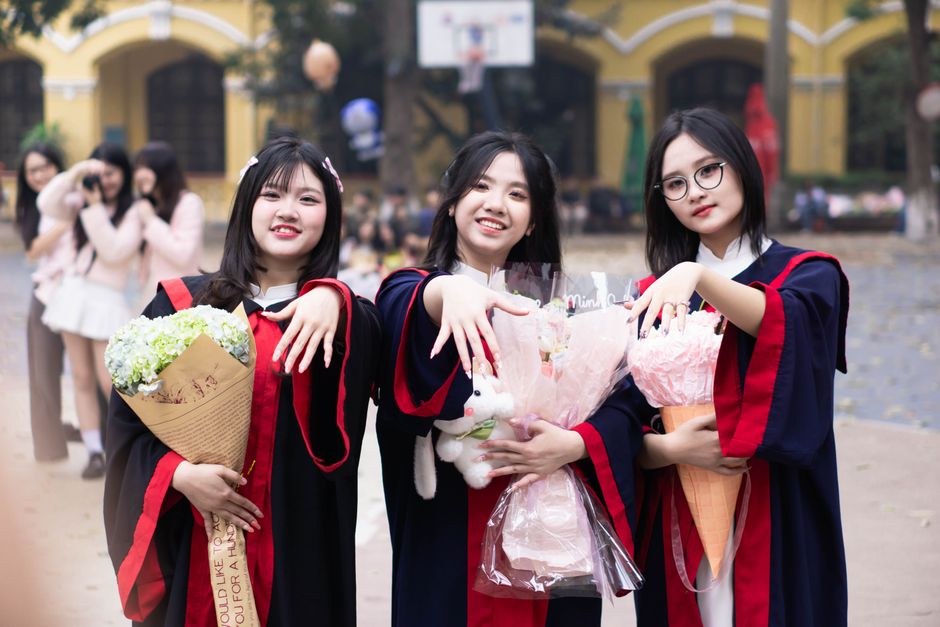
Buy or assemble the outfit early enough for a full test at home. The goal is not a perfect standing pose. The child needs to move through the same positions the ceremony will demand.
The five-minute movement test
- Ask the child to sit on the floor with legs crossed for two minutes. The waistband should stay flat, and the hem should provide enough coverage.
- Ask for five deep squats and a short walk. Trousers should not pull at the knees, and a dress should not ride sharply upward.
- Have the child lift both arms, clap, and reach toward a high shelf. Sleeves and armholes should move without tugging.
- Test every closure. The child should manage buttons, snaps, zippers, or shoe straps with only the help they will realistically receive at school.
- Take a seated photograph from the front and side. Check for twisting seams, visible undershirts, slipping straps, or a hem that becomes too short when seated.
Leave room for real growth, not a whole extra size
Buying far too large creates its own problems. Shoulder seams slide down, trouser hems catch under shoes, and oversized shoes increase the chance of tripping. A small amount of growing room is useful, but the garment should fit the shoulders and waist today. For shoes, allow roughly a thumb’s width between the longest toe and the front of the shoe, then check that the heel does not lift during walking.
Verdict: the outfit passes only when the child can sit, stand, walk, reach, and use the bathroom without constant adult adjustment.
Five graduation outfit mistakes that cause problems
A polished photograph cannot rescue an outfit that hurts, overheats, or fails during the ceremony. These are the mistakes worth catching before the big morning.
- Choosing appearance over texture. Metallic thread, rough lace, stiff tulle, and scratchy labels can bother children within minutes. Turn the garment inside out and run a hand across the seams before buying.
- Wearing brand-new shoes. Even a well-fitting pair can rub at the heel. Test formal shoes indoors for several short sessions, or choose clean sneakers with a neat shape and a supportive sole.
- Ignoring the bathroom. A back zipper, complicated romper, or tiny buttons may be hard for a child to manage in a crowded school bathroom. Practice the closure at home.
- Using accessories that block the face. Oversized bows, long necklaces, dangling earrings, and wide-brim hats can interfere with photographs, hugs, or stage movement. One secure accessory is enough.
- Forgetting the backup plan. Pack a spare top, socks, hair ties, stain-removal wipes, and a light layer. Do not wait until the morning to discover that the chosen outfit does not work over a diaper, pull-up, or medical device.
When not to buy a special graduation outfit
Do not buy a new outfit if the child already owns a clean, well-fitting combination that meets the school’s dress expectations. A favorite navy dress with polished shoes can look more confident than an expensive outfit the child refuses to wear. Verdict: skip the purchase when comfort, fit, and the child’s confidence are already covered.
Which children’s brands offer useful graduation options?
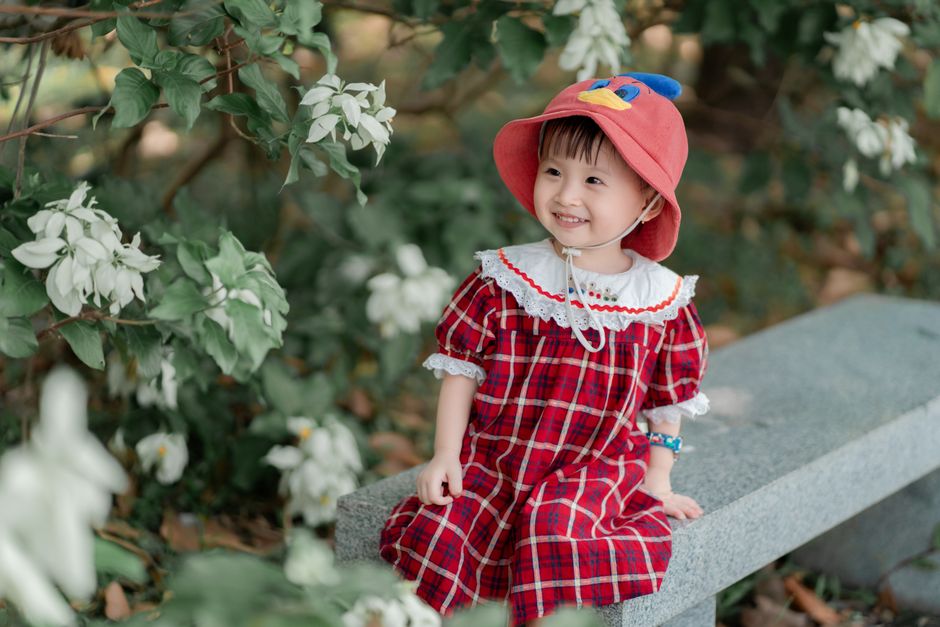
My clear pick for most families is a washable cotton outfit paired with familiar shoes. The ceremony lasts a short time, but the clothes may need to handle a full school day. Product examples can help set expectations, even when the final choice comes from the child’s existing wardrobe.
What works for a dress-focused outfit?
The Hanna Andersson Twirl Dress is known for a cotton-jersey feel and a full skirt that supports movement. It suits a child who wants a traditional dress without a stiff party finish. The Mini Boden Party Dress offers a more structured look, often with a lined skirt and brighter prints; choose it only if the lining feels smooth against the skin. For a lower-cost option, a Carter’s cotton-blend dress can work when the seams, straps, and hem pass the movement test. Verdict: Hanna Andersson is the strongest comfort-led choice, while Mini Boden suits a child who wants more visual detail.
What works for shoes and non-dress outfits?
The Stride Rite Soft Motion Frankie has a rounded toe and a hook-and-loop closure, which helps children who need to put shoes on independently. The Nike Revolution 7 Kids gives a graduation-friendly sneaker option with a padded collar and rubber outsole, especially for outdoor ceremonies. Crocs Classic Clog Kids are easy to wear but look more casual, so reserve them for relaxed school events rather than a formal stage ceremony. Verdict: Stride Rite is the safest polished choice for independent dressing; Nike wins when walking comfort matters more than traditional styling.
How should the outfit change for weather and ceremony photos?
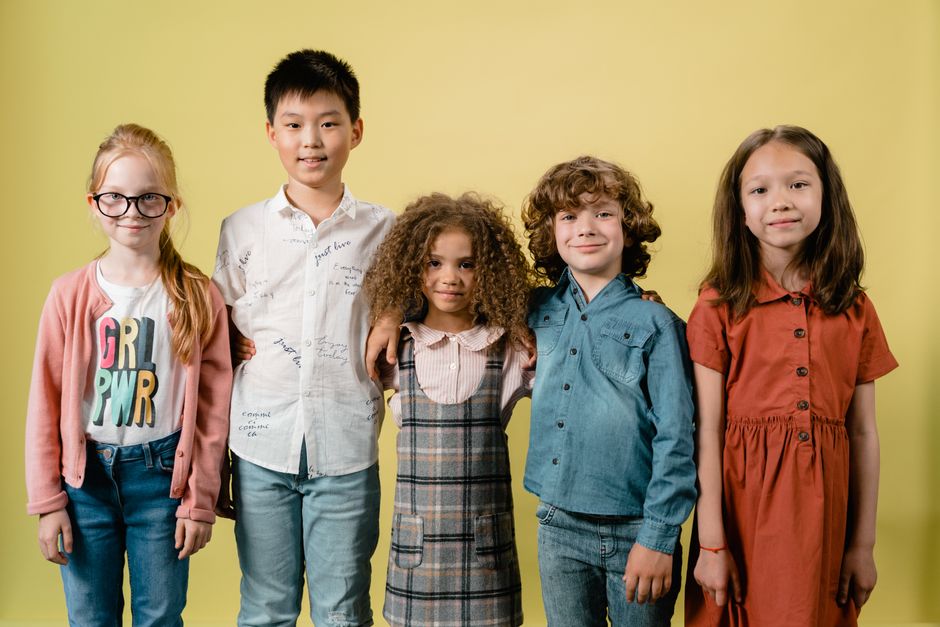
A kindergarten graduation outfit should look complete without the extra layer, because coats and sweaters may come off for photographs. Build the look in pieces so the child can stay comfortable from arrival through the final family picture.
For warm indoor or outdoor ceremonies
Use a breathable cotton dress, short-sleeve polo, or lightweight blouse. Avoid thick polyester linings and heavy cardigans if the event takes place under stage lights. Choose socks that stay in place and shoes with enough ventilation for walking. A small hair bow, fabric headband, or school-color ribbon adds ceremony detail without making the child hot.
For cool, windy, or uncertain weather
Add a cardigan, denim jacket, knitted bolero, or clean overshirt that the child can remove easily. Keep the outer layer in a color that works with the outfit rather than hiding the whole look. For outdoor ceremonies, closed-toe shoes with a grippy sole are more practical than slippery dress flats. Pack a second pair of socks if grass or damp pavement is likely.
Do not buy an outfit that works only in a perfect photograph. For a 2026 ceremony, the strongest recommendation is a washable, movement-friendly base in a calm color, one meaningful accessory, and shoes the child has already tested. That combination looks intentional, handles real school conditions, and lets the graduate enjoy the moment instead of managing uncomfortable clothes.
Related Posts

How to Break In New Boots Without Blisters: 7 Steps
New boots should not hurt enough to leave raw skin.…
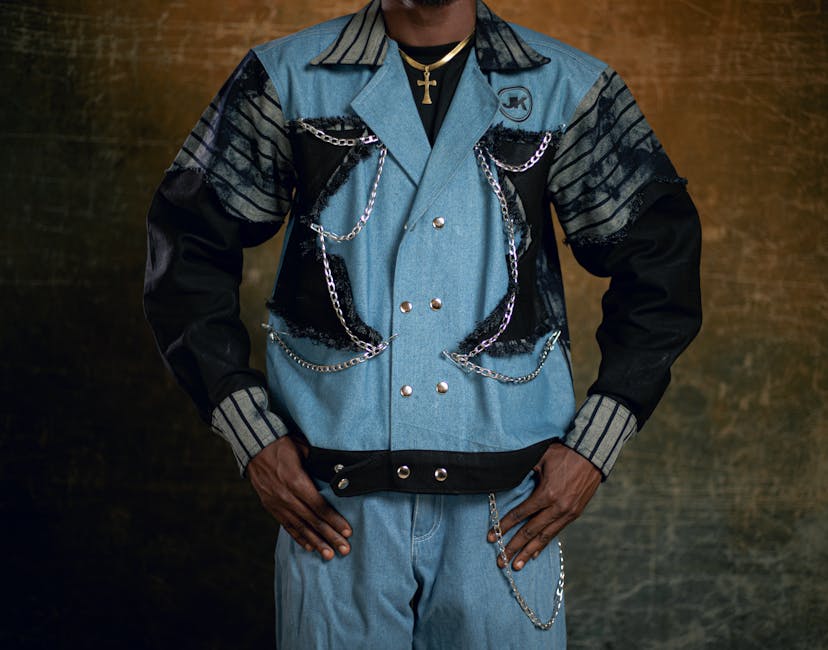
How to Build Timeless Denim Jacket Outfits That Work for Any Season
Many people assume a denim jacket is a weekend-only piece,…

Styling Ankle Boots With Jeans: Styling Ankle Boots With Every Jean Cut: The Right Break
The best ankle-boot-and-jeans outfit starts at the hem. Match the…