A warm winter boot is not automatically a safe winter boot. Thick insulation protects your toes, but it does little to stop your foot from sliding across a frozen sidewalk. The outsole, tread pattern, rubber compound, fit, and walking surface matter more when ice is the main hazard.
No state law is being analyzed here, and this guidance is not a premises-liability opinion. This is not legal advice — consult a licensed attorney for questions about an injury, property responsibility, or state-specific law.
Why Warm Boots Can Still Slip on Ice
Traction is a contact problem
Ice creates a thin layer of water when pressure and friction warm its surface. A boot needs to break through that slick layer and keep contact with the ground as your weight shifts. Deep lugs help in loose snow, but large lugs alone do not guarantee grip on smooth ice. On a frozen pavement, a sole with many smaller edges, flexible rubber, and narrow channels usually performs better than a stiff sole with widely spaced blocks.
Look for terms such as siping, winter rubber, ice compound, or carbide studs. Siping means small cuts across the tread. Those cuts create extra edges that can catch on uneven ice. Some brands use a soft rubber compound that stays flexible below freezing; ordinary rubber can harden as temperatures drop. If your daily route includes polished steps, icy parking lots, or sloped sidewalks, tread design deserves more attention than the boot’s temperature rating.
Insulation and waterproofing solve different problems
Insulation keeps body heat inside the boot. Waterproofing keeps melted snow and slush from cooling your socks. Neither feature replaces traction. A boot can have 400 grams of insulation and still feel unsafe on a glazed sidewalk if the sole is hard and smooth.
For most city wear, a waterproof membrane, sealed seams, and 100 to 200 grams of insulation offer a better balance than an expedition-style liner. Very thick insulation can make the boot bulky, reduce ankle movement, and cause sweaty feet indoors. My basic verdict is simple: choose the sole for ice, the upper for wet conditions, and the insulation for the lowest temperature you will actually face.
The Fastest Way to Screen a Boot Before Buying
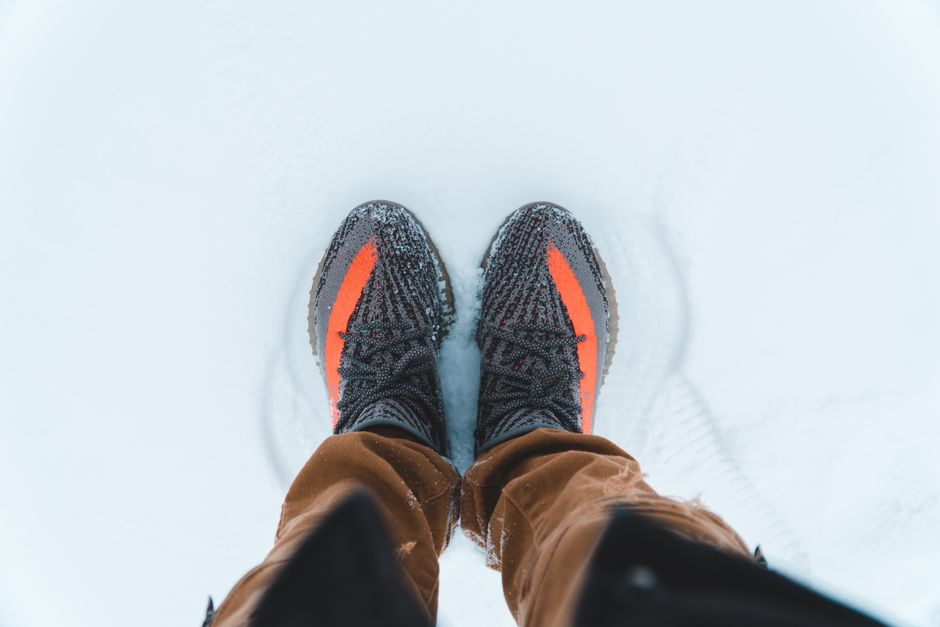
Use the outsole-first test
Start with the outsole photograph and product specifications, then reject any boot that hides the tread design, lists only a vague comfort claim, or uses a flat fashion sole with no winter compound; next, bend the forefoot slightly by hand or in a store, because a completely rigid sole can make it harder to place your foot securely on uneven ice, and check that the heel has a defined edge instead of a rounded platform that rolls during a step.
Check the fit with winter socks
Order your normal size only after measuring the foot in the socks you will wear, leaving roughly 10 to 15 millimeters in front of the longest toe, keeping the heel secure, and making sure the laces or adjustment system can hold your foot without squeezing the instep; a boot that is too loose lets the foot slide inside, while a boot that is too tight compresses the socks and reduces the warm air that insulation needs to work.
Read the return policy before purchasing, since a boot that feels comfortable for two minutes may rub after a twenty-minute walk.
The strongest short-list has a winter-rated rubber outsole, a secure heel, sealed waterproof construction, and enough room for socks without heel lift.
How Leading Winter Boots Compare
Prices below are typical US list or common retail prices for the named models and can change during the 2026 season. Temperature ratings are marketing guidance, not a promise that every wearer will stay warm at that exact temperature.
| Boot | Typical price | Useful specifications | Best use |
|---|---|---|---|
| Sorel Caribou Waterproof | $200 | 9 mm felt liner, waterproof seam-sealed upper, molded rubber sole | Wet urban snow and classic winter outfits |
| Baffin Impact | $255 | Multi-layer removable liner, high shaft, thick rubber shell | Deep cold and heavy snow |
| Columbia Bugaboot Celsius Plus | $180 | Waterproof upper, Omni-Heat reflective lining, 200 g insulation | Daily commuting and mixed weather |
| Merrell Thermo Chill Mid Waterproof | $140 | Waterproof membrane, 200 g insulation, moderate hiking tread | Walking, travel, and lighter winter conditions |
| Icebug Speed2 BUGrip | $220 | Carbide steel studs, waterproof construction, low-profile athletic shape | Frequent walking on hard ice |
The safest all-around style
The Columbia Bugaboot Celsius Plus is the strongest general choice for a commuter who wants warmth, weather protection, and a less bulky silhouette. It is easier to wear with jeans or wide-leg trousers than the tallest cold-weather boots, and its 200-gram insulation suits ordinary winter errands better than an extreme expedition liner.
The traction specialist
For a route where ice is the main concern, choose the Icebug Speed2 BUGrip. Its carbide studs give it a clear advantage on hard, polished surfaces. The tradeoff is style and indoor convenience: studs can sound sharp on tile, mark some floors, and feel excessive on mostly dry pavement.
Five Mistakes That Make Winter Boots Less Safe
Fit errors to avoid
- Buying a size too large. Extra space is not the same as useful insulation. If the heel lifts with each step, your foot loses control before the sole can help.
- Ignoring sock thickness. Try boots with the wool or synthetic socks you plan to wear. Thick socks inside a narrow boot can reduce circulation and create cold toes.
- Choosing height over movement. A tall shaft protects against deep snow, but it can restrict the ankle and make stairs awkward. Pick the shortest shaft that matches your route.
Care errors to avoid
- Leaving salt on the upper. Wipe salt and slush away with a damp cloth after each outing. Salt can dry leather and stain textile panels.
- Drying boots on a radiator. Direct heat can crack leather, warp adhesives, and shrink removable liners. Dry them at room temperature with the insoles removed.
- Trusting worn tread. Replace a boot when the lugs have become visibly shallow, the heel is uneven, or the rubber feels hard and glossy. A fashionable boot with a worn sole is still a poor ice boot.
The biggest purchasing mistake is treating a temperature rating as a safety rating. Warmth describes comfort; traction determines how confidently the boot meets the ground.
My Picks by Walking Scenario
For most city commuters, I would buy the Columbia Bugaboot Celsius Plus. It offers the best mix of waterproofing, insulation, everyday styling, and manageable weight. The Sorel Caribou is the better fashion choice for wet snow because its felt liner and rubber shell create a recognizable heritage look, but it feels heavier and less nimble on long walks.
For deep cold and snowbanks
Choose the Baffin Impact if temperatures regularly fall far below freezing or your route includes deep snow. Its removable multi-layer liner is built for cold protection, and the high shaft blocks snow from entering over the collar. The clear downside is bulk: this is not the boot I would pair with a slim trouser or pack into a small suitcase. It wins when warmth and snow protection matter more than a streamlined outfit.
For walking on polished ice
Choose the Icebug Speed2 BUGrip when you walk outdoors for long periods on frozen paths. The carbide studs offer the strongest grip in this group on hard ice. For mixed indoor and outdoor use, the Merrell Thermo Chill Mid Waterproof is more practical. It has a lighter hiking shape and a moderate tread, but it cannot match studded traction on a glassy surface.
My final product verdict: Columbia is the best everyday buy, Baffin is the best deep-cold boot, and Icebug is the best dedicated ice-walking boot.
Questions to Ask Before You Order

Do I need studs?
Buy studded boots when your regular route contains long stretches of hard, untreated ice and you can tolerate noise and reduced indoor comfort. Skip studs when you mostly walk on cleared sidewalks, enter stores often, or need one pair that works across dry pavement, slush, and snow. In those cases, a flexible winter outsole with dense siping is the better compromise.
How much insulation is enough?
For short car-to-door trips, uninsulated waterproof boots with warm socks may be enough. For a daily walk of twenty minutes or more, 100 to 200 grams of insulation is a sensible starting point. Choose a thicker removable liner only when you spend extended time outside or face very low temperatures; excess insulation can make feet sweat and then cool down.
Should I buy a fashionable boot or a technical boot?
Choose the technical boot if falling is a serious concern, the route is steep, or ice remains on the ground for days. Choose the more polished fashion boot if you walk short distances on maintained streets and can carry traction aids for unusual storms. The wrong compromise is a smooth-soled boot that looks refined but gives no reliable edge on ice.
When Not to Buy a Heavy Winter Boot
A lighter option may fit your climate better
Do not buy a tall, heavily insulated boot simply because it looks winter-ready. If your city has frequent freeze-thaw cycles, temperatures near freezing, and mostly cleared sidewalks, a lighter waterproof ankle boot with a real winter outsole may be more comfortable and easier to style. Heavy boots can overheat indoors, take longer to dry, and make public transport or office wear unpleasant.
A lighter boot also gives you better ankle movement. That matters on stairs, curb cuts, and uneven pavement where a stiff shaft can change the way you place your foot. The right choice is the least bulky boot that still provides enough insulation, waterproofing, and grip for your actual route.
Traction aids can be the better backup
For occasional storms, removable traction aids can add grip to an existing waterproof boot. They are useful when conditions change during the day, but they need a secure fit and must be removed before walking on delicate indoor floors. They also cannot fix a boot that already lacks heel support or has a loose fit.
If ice is steep, prolonged, or hazardous enough that ordinary boots still feel unreliable, change the footwear system rather than relying on confidence alone. The single most important takeaway is that the best winter boots for icy conditions are the pair with a winter-specific outsole, secure fit, and enough warmth for the route you actually walk.
Related Posts

Puma Wardrobe Essentials Men Mid Rise Woven Pants: Outfit Accessories Guide
Sporty woven pants look more intentional when paired with clean…

Best Winter Fashion Accessories for Cold Weather Style 2026
The architecture of a winter wardrobe is built from the…

Summer Holiday Outfits: What to Pack for Every Occasion
What do you actually wear on a summer holiday? Not…