A size 10 at one fashion brand can fit like a size 14 at another. That is not a shopper problem. It is a design and measurement problem.
Inclusive sizing in fashion matters because clothing only works when the pattern matches the body wearing it. A longer size range is a start, but it is not enough. Brands also need honest measurements, useful fit notes, consistent grading, and real testing on bodies across the range.
Inclusive Sizing Is a Design Test, Not a Marketing Claim
Many brands treat extended sizing as a shelf label. They add a few larger numbers near the end of a range, use the same basic pattern, and call the job finished. That approach fails because bodies do not grow in perfect proportion from one size to the next.
Pattern grading changes more than width
When a pattern moves from a smaller size to a larger one, the designer must adjust the bust, waist, hip, rise, sleeve opening, shoulder width, thigh, and garment length. Those changes do not happen at the same rate. A person with a fuller bust may need more front length but not a longer back. A pear-shaped shopper may need more hip room without a much larger waist. A short shopper may need a wider garment with a shorter inseam.
Basic scaling misses those differences. The result is familiar: armholes that cut in, waistbands that roll, buttons that pull, pockets that gape, and trousers that fit at the hip but collapse at the waist.
Fit testing must happen across the full range
A brand can claim to carry sizes 00 to 32 and still produce poor size 24 clothing if it only tests the sample size. Real inclusive design means fitting several bodies throughout the range before production. It also means checking movement, sitting, bending, layering, and wash performance.
The real standard is not the biggest number on the chart. It is whether the garment works on the body assigned to that number. A size range is credible only when the pattern, fabric, construction, and model photography support it.
What Inclusive Sizing Actually Includes
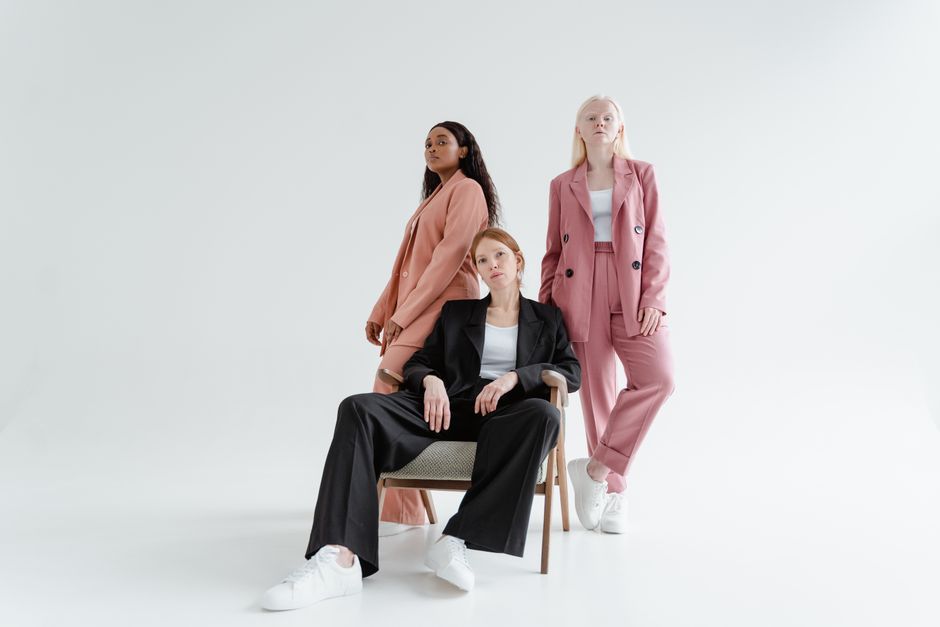
Inclusive sizing is often reduced to a number. That is too narrow. A useful system connects the label, measurements, pattern, fabric, fit notes, and stock availability. The table below shows the difference between a meaningful size range and a token one.
| Part of the system | Inclusive standard | Red flag |
|---|---|---|
| Size range | Core styles run across the advertised range | Only selected basics reach larger sizes |
| Measurements | Bust, waist, hip, rise, inseam, and garment measurements are listed | One vague chart with no garment measurements |
| Pattern development | Fit is checked on bodies at several points in the range | One small sample is simply enlarged |
| Proportion | Sleeves, rises, hems, and pockets change with the size | Only the width increases |
| Fabric | Stretch, recovery, weight, and opacity are tested at each size | Thin fabric is expected to work for every body |
| Stock | Popular colors and lengths are available in the full range | Large sizes exist only online or in one color |
Size labels are not measurements
A label such as XL, 18, or 3X has no universal meaning. The useful information is the actual measurement in inches or centimeters. Even that does not tell the whole story, because a garment may be designed with a close, standard, or relaxed fit.
Availability is part of inclusion
A size that is technically listed but constantly sold out does not give shoppers equal access. Neither does a range that excludes tall, petite, long-torso, or short-inseam options. Inclusive sizing must cover the clothes people want, in the proportions they need, at the same point in the buying cycle.
Equal access means equal design attention and equal choice. A larger number at the bottom of a drop-down menu is not proof of either.
How to Audit a Brand Before You Buy
Shoppers should not have to become pattern engineers to buy a T-shirt. Still, a quick audit can expose weak sizing before money and time disappear into a return.
- Start with body measurements. Measure your bust, natural waist, full hip, and inseam while wearing light clothing. Keep the numbers in your phone. Do not guess from an old label.
- Read the garment measurements. Look for finished bust, waist, hip, rise, and inseam measurements. If the brand gives only a generic size chart, lower your confidence.
- Check the fit language. Slim, fitted, straight, relaxed, and oversized are not decoration. A fitted shirt needs more precision than a loose sweatshirt.
- Study several customer photos. Look for bodies close to your height and proportions. Pay attention to pulling at the bust, pocket placement, sleeve length, and hem position.
- Inspect the fabric details. A 3 percent elastane denim behaves differently from rigid denim. Stretch can improve comfort, but weak recovery can create a sagging waistband after a few hours.
- Read return rules before checkout. Final-sale policies turn uncertain sizing into an expensive gamble. A low price is not a bargain if the item cannot be returned.
Use fit points, not the label
Choose two or three body points that matter most for the garment. For jeans, start with the waist, full hip, front rise, and inseam. For a blazer, check the bust, shoulder, upper arm, and sleeve length. For a dress, compare the bust, waist, hip, and total length. This method works better than ordering the same label you wore last year.
Know when not to buy
Skip the item when the brand hides measurements, offers no fit information, or shows only one body type in a supposedly broad range. Also skip rigid garments when the chart leaves less than an inch of ease at the largest body point. That is a predictable comfort failure, not a sizing mystery.
The Verdict: Extended Sizes Must Share the Main Collection
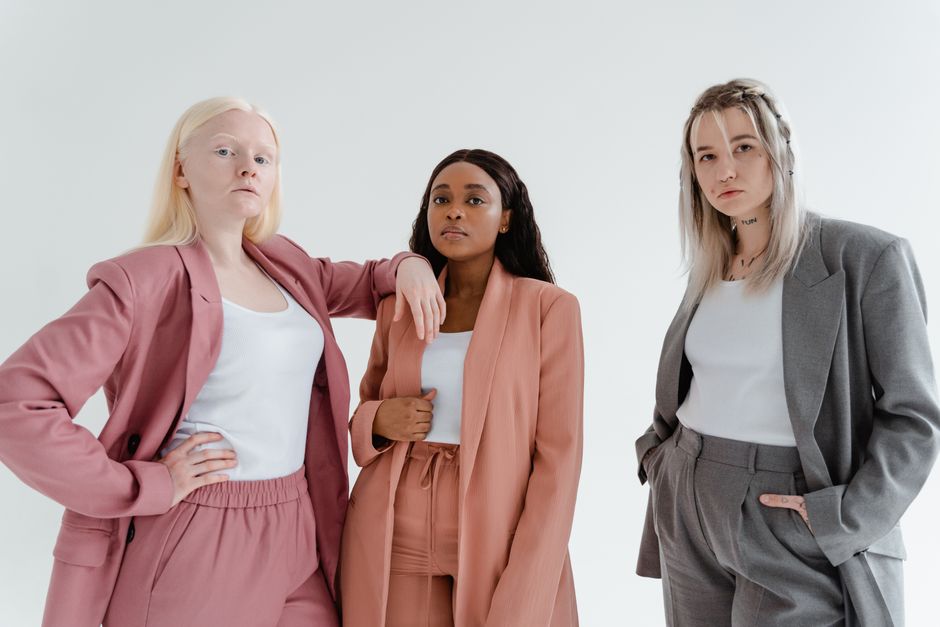
Brands should stop treating larger sizes as a separate apology section. The strongest model is one main collection with the same design choices, fabric quality, color range, and launch timing across sizes, because separating shoppers often means separating investment, visibility, and stock.
A shared collection also reveals weak design faster: if the same blouse has to look right on a size 2, size 18, and size 30, the pattern team must solve proportion instead of hiding behind a limited range.
That does not mean every body needs the same cut; a curve-specific rise, fuller bust block, or petite length can improve fit without creating a second-class collection, and those options should sit beside the standard cuts rather than replace them.
The best proof is simple: shoppers can open the same product page, see the same colors and images, select their size without a special search, and receive a garment made with equal care.
Sizing Failures That Make Clothes Unwearable
Bad inclusive sizing usually fails in visible, repeatable ways. These are the problems shoppers should stop accepting as normal.
- Width-only grading: The garment gets wider but not longer in the right places. Sleeves, rises, and torsos end up too short.
- Vanity sizing: Labels become smaller while measurements stay inconsistent. That may feel flattering for one purchase, but it makes every future order harder.
- One model for every size: A single straight-size model cannot show how a garment fits across a full range. The photos hide pulling, gaping, and proportion problems.
- Separate color choices: The straight-size range gets six colors while extended sizes get black and one tired neutral. That is a merchandising decision, not a technical limit.
- Weak closures: Buttons, zippers, hooks, and elastic fail when designers do not test repeated movement and sitting. A closure should work at the largest stress point, not only on a studio pose.
- Thin or transparent fabric: Larger garments often span more surface area, so opacity and recovery matter more. A fabric that looks fine on a small sample can become sheer or unstable in a larger size.
Why the biggest size often looks different
When a brand adds sizes late in development, it may change the fabric, simplify the construction, or remove details such as lining and pockets. Those shortcuts create a garment that belongs to the same product family only by name. Shoppers notice the difference in drape, durability, and comfort.
Why returns are not always the shopper’s fault
A high return rate can signal bad information rather than indecisive customers. If dozens of buyers report that a size runs two sizes small, the chart is not doing its job. Brands should publish fit corrections, update measurements, and show where the garment sits on different bodies.
What Shoppers Can Learn From Brands That Show the Work
Does a wide range prove good fit?
No. Universal Standard gives a useful benchmark with its Cai High Neck Tank listed in sizes 00–40 at $49, but the important detail is the brand’s stated approach: core garments are fit-tested across the range instead of being scaled from one small sample. The lesson is not that one label is perfect. It is that brands should explain how they reached the numbers.
Can a mainstream denim line be inclusive?
It can, but the product page must show the limits clearly. Levi’s 501 Original Women’s Jeans Plus Size line lists a 34 waist option and shows a $110 original price on its US site. Good American’s Good Waist collection lists sizes 00–32 Plus and uses a high-rise shape designed around a fuller hip and waist. Those details let shoppers compare the actual offer instead of relying on a vague claim about inclusivity.
What should shoppers ask about activewear?
Ask about rise, waistband recovery, thigh tension, opacity, and movement. Nike has described testing a distinct rise for curvier bodies in leggings across sizes 0X–4X. That is the type of technical detail shoppers should expect from performance clothing. A broad size chart alone cannot tell you if a waistband will stay put during a squat or roll during a long walk.
The winner is the brand that shows its process. Size numbers, product names, and prices matter, but fit testing and honest limitations matter more.
Inclusive Sizing Changes What Fashion Gets to Design
Inclusive sizing is not only about adding a few inches to a waist. It changes the clothes a brand believes are worth making. When a label designs for more bodies, it has to think harder about proportion, movement, support, closures, fabric behavior, and styling. That pressure usually improves the garment for everyone.
More bodies reveal better design
A pocket that stays flat on a fuller hip is useful on every body. A blazer with a stronger shoulder seam and a better armhole is easier to move in at any size. A trouser waistband with real recovery helps after lunch, during travel, and through repeated washing. Inclusive design exposes weak construction because more bodies test the garment’s limits.
Fashion needs a better success measure
The industry should measure more than how many sizes appear online. A stronger scorecard would track the percentage of styles available across the full range, size-specific return reasons, stock levels, customer fit ratings, and how often measurements change between collections.
In 2026, shoppers have enough information to see the difference between a broad promise and a working system. The brands that earn trust will publish the measurements, show the bodies, fix the patterns, and keep the choices available.
Inclusive sizing in fashion is not a passing trend; it is the basic design standard that makes clothing work for the people buying it.
Related Posts
Under-$50 Zara Fashion Finds: 10 Zara Finds Under $50 That Look Expensive
The best under-$50 Zara finds are not the loudest pieces…
How to Style Oversized Blazers for Streetwear
Why an Oversized Blazer Works With Streetwear The difference between…
Amazon Fashion Finds Under $40 That Look More Expensive
Have you ever built an outfit that feels almost right,…