The word optional changes only one part of the dress code: men may choose a dark formal suit instead of a tuxedo. It does not turn the event into a cocktail party. The safest interpretation remains eveningwear with a sharp silhouette, polished shoes, and enough detail to look intentional under low restaurant or ballroom lighting. These six black-tie optional outfits cover the strongest choices for guests who want to look elegant without arriving overdressed.
The goal is not to buy an entirely new wardrobe. It is to build one formal line from the shoulder to the shoe, then keep the accessories controlled. This is not legal advice — consult a licensed attorney.
What Does Black-Tie Optional Actually Mean?
Does optional mean cocktail attire?
Usually, no. Black-tie optional gives guests a formal choice. A traditional tuxedo, dark dinner jacket, or floor-length evening look fits the strictest reading. A dark navy or charcoal suit can work when it has a clean cut, a white shirt, a restrained tie, and formal leather shoes. A short floral dress, cotton sundress, casual jumpsuit, or office suit usually lands too far below the requested level.
The venue changes the margin. A hotel ballroom, upscale wedding, charity gala, or evening theater event calls for the dressier end of the range. A private dinner with the same wording may allow a refined cocktail dress or sleek suit, but the finish still needs to look deliberate. A useful test is simple: could the outfit move from a seated dinner to a formal photograph without needing a jacket, scarf, or extra layer?
How formal should the fabric and length be?
Fabric often matters more than color. Silk, satin, velvet, crepe, wool, mohair, and fine suiting cloth read as evening materials. Matte jersey can work when the cut is strong, but thin stretch fabric often looks casual under bright flash photography. For dresses, a midi hem can succeed when the material is rich and the shoe is elegant; a floor-length hem remains the safest option for a gala.
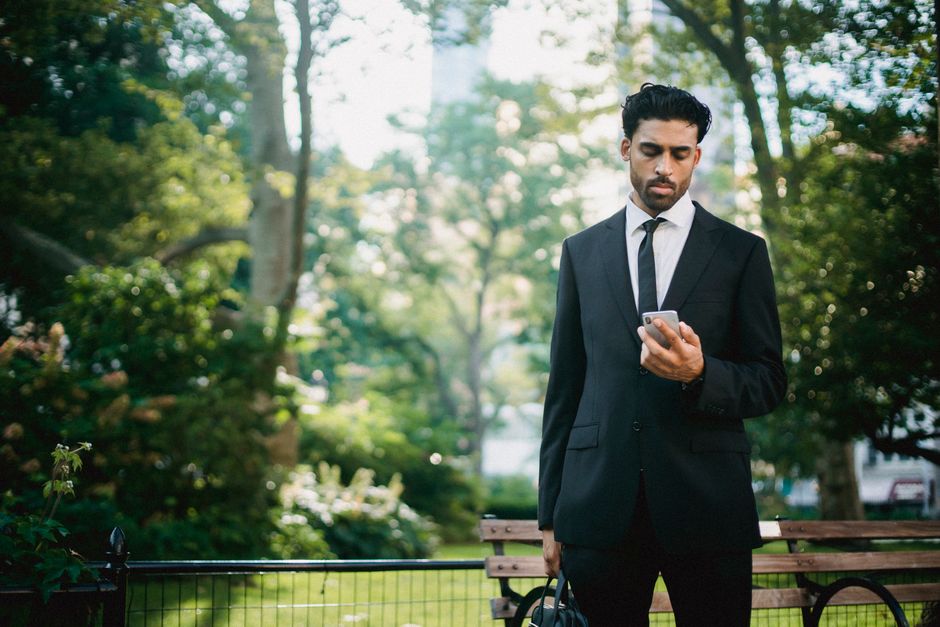
For suits, fit creates the formal effect. The shoulder seam should end near the natural shoulder, the sleeve should show a small amount of shirt cuff, and the trouser break should stay neat over the shoe. Black-tie optional rewards restraint. One strong texture or color is enough.
How to Build the Right Formal Silhouette
Use this five-step order before choosing accessories
- Choose the line first. Pick one long, clean shape: a floor-length dress, a column dress, a tuxedo, or a sharply tailored trouser outfit.
- Check the shoulder. A defined shoulder makes an outfit look formal faster than extra jewelry. Avoid collapsing seams, oversized sleeves, or a jacket that pulls across the back.
- Set the waist with intention. A natural waist, a straight column, or a long uninterrupted line can all work. Avoid random bunching from belts, wrap ties, and loose layers.
- Match the hem to the shoe. Trousers should cover most of the shoe without dragging. Dresses should clear the floor by a small amount so the hem does not catch on stairs.
- Finish one focal point. Select a velvet jacket, a jewel-tone dress, a sculptural earring, or a satin shoe. Adding all four usually makes the outfit look busy.
This order prevents a common mistake: buying accessories before solving the shape. A glittering clutch cannot repair a jacket with the wrong sleeve length, and a dramatic necklace cannot make a daytime fabric look like eveningwear. Try the full outfit at home, including undergarments, shoes, and the outer layer. Sit down for five minutes. Walk up stairs. Raise both arms. Formal clothing still has to function.
Color should support the shape
Black is reliable, but it is not the only formal choice. Midnight navy, deep emerald, burgundy, aubergine, and dark chocolate can look just as polished when the fabric has depth. Pair a colored garment with black, metallic, or tonal accessories rather than introducing several unrelated shades. The strongest result usually has one main color, one metal, and one dark neutral.
Six Black-Tie Optional Outfits at a Glance
Use the table to choose your starting point
| Outfit | Core pieces | Best setting | Clear verdict |
|---|---|---|---|
| 1. Classic tuxedo | Black tuxedo, white shirt, black bow tie, patent shoes | Ballroom gala or formal wedding | Best overall choice when the invitation feels strict |
| 2. Velvet tailoring | Black velvet jacket, silk camisole, tuxedo trousers, pointed pumps | Winter evening event | Best alternative to a gown when you want coverage |
| 3. Jewel-tone gown | Floor-length emerald or burgundy dress, small clutch, minimal jewelry | Hotel ballroom or charity dinner | Best choice for a dramatic but controlled entrance |
| 4. Midnight navy tuxedo | Midnight navy jacket, black trousers, white shirt, black tie | Evening wedding or restaurant reception | Best for guests who want softer contrast than black |
| 5. Formal jumpsuit | Wide-leg jumpsuit, structured jacket, pointed shoe, compact bag | Modern venue with a relaxed formal tone | Best only when the fabric and hem look unmistakably evening-ready |
| 6. Satin column dress | Long satin dress, low heel, tailored wrap, small earrings | Warm-weather reception | Best for effortless movement and a clean silhouette |
The table separates the six formulas by visual effect rather than gender. A tuxedo creates the clearest formal signal. Velvet adds texture and warmth. A jewel-tone gown supplies color without needing piles of accessories. A jumpsuit offers movement, but it has the narrowest margin for error because a casual fabric or cropped hem can make it look like workwear.
Which outfit is the safest purchase?
Choose the classic tuxedo or the floor-length gown. Both communicate the dress code immediately, which matters when you do not know how formal the other guests will dress. If you already own a strong dark suit, upgrade the shirt, tie, shoes, and tailoring before purchasing another complete outfit. For women, a black column dress can serve formal dinners, weddings, and winter events with different jackets and jewelry.
Outfits One Through Three: The Strongest Formal Options
1. The classic black tuxedo
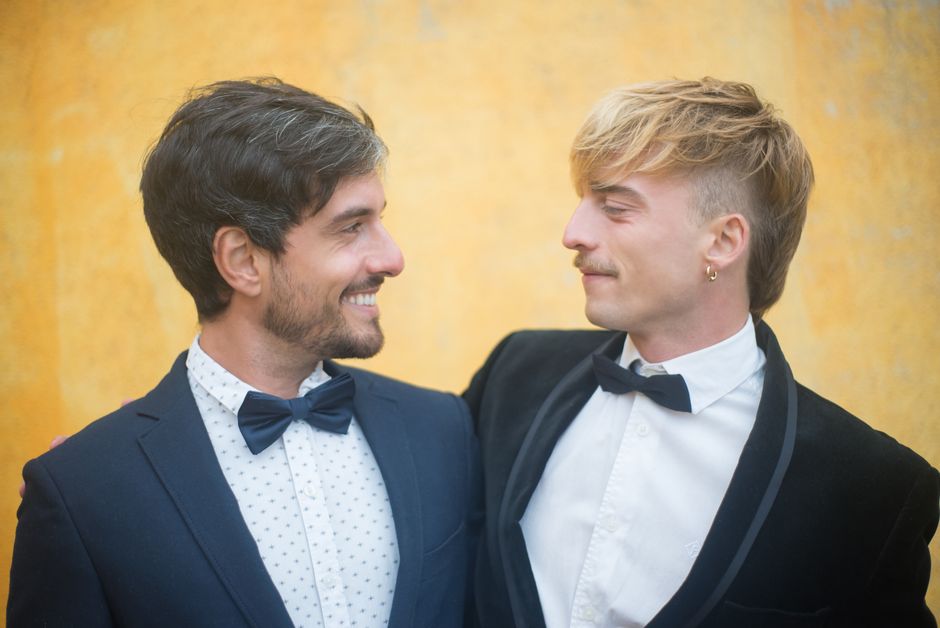
The classic tuxedo remains the best all-purpose answer. Choose a one-button jacket with a peak or shawl lapel, matching trousers with a satin side stripe, a white tuxedo shirt, and a black bow tie. A tuxedo jacket should not be worn with ordinary suit trousers unless the textures match closely; the difference shows in photographs. The Brooks Brothers Explorer Collection Slim Fit Wool Tuxedo Jacket is a useful reference point at a listed $698. It uses 100% wool, a grosgrain peak lapel, a one-button front, and side vents. Those details explain why the jacket reads as eveningwear rather than office tailoring.
Keep the rest clean. A white pocket square, black patent leather loafers, and a simple watch are enough. Skip a novelty tie, bright socks, and oversized lapels unless the event has a clear fashion theme. This is the outfit I would choose when the invitation comes from a formal venue and the host’s guest list is unknown.
2. Velvet tailoring with tuxedo trousers
A velvet jacket creates a rich evening texture without requiring a dress. Wear it over a silk camisole or fine knit shell with high-waisted black tuxedo trousers. The trouser line should be long and straight, with the hem nearly touching the top of the shoe. A pointed pump keeps the outfit sleek; a chunky ankle boot changes the message and usually makes the look too casual.
The J.Crew Cora Lady Jacket in Velvet is a practical example of the idea. Its collarless shape, hidden buttons, welt pockets, and 76% cotton, 22% lyocell, and 2% elastane fabric give the jacket structure without a stiff tuxedo feel. It was listed at $149.99 when checked. The verdict is clear: velvet tailoring is the best choice for someone who wants formal coverage and a modern silhouette.
3. The jewel-tone evening gown
Choose emerald, burgundy, sapphire, or deep plum when black feels too severe. The dress should have one strong feature: an asymmetric neckline, a clean drape, a defined shoulder, or a controlled slit. Do not combine a plunging neckline, high slit, sequins, and large earrings in the same look. Formal dressing benefits from a single point of focus.
Pair the gown with a small satin or metallic clutch and a low, stable heel. The Stuart Weitzman Stuart Power 50 Pump, listed at $495, has a 50 mm kitten heel and a pointed leather shape that works when you need a dressy shoe with more walking comfort than a high stiletto. For a long event, that is the smarter choice. The gown gets attention; the shoe supports it.
Outfits Four Through Six: Modern Alternatives With Limits
My strongest modern pick is the midnight navy tuxedo. It keeps the structure of black tie while looking slightly less severe. Wear a midnight navy dinner jacket with black trousers, a white shirt, and a black silk tie or bow tie. The contrast is subtle in indoor light but visible in photographs. This outfit is especially effective for an evening wedding where a full black tuxedo may feel too expected but a standard navy business suit would look underdressed.
4. Midnight navy with black accessories
Keep the shirt crisp and the shoes black. Brown brogues weaken the formal line, even if they are expensive. The jacket should have a satin or grosgrain lapel, and the trousers should be darker than the jacket. A slim black belt is acceptable with a suit, but tuxedo trousers look cleaner with side adjusters. Choose this outfit when you want a formal result with softer color contrast.
5. The formal jumpsuit
A jumpsuit can work, but only if it has a wide, floor-skimming leg, a defined waist, and an evening fabric such as crepe, satin, or velvet. The Calvin Klein Tie-Waist Tulip-Sleeve Jumpsuit is a lower-cost reference at $129, with a self-tie waist, side pockets, a crew neckline, and a back zipper. Its short sleeves and more accessible cut make it better for a modern reception than a tuxedo-heavy gala. Add a structured velvet jacket and pointed shoes if the event feels strict.
The clear warning: do not buy a casual jumpsuit and try to rescue it with jewelry. A cropped leg, jersey fabric, or visible daytime hardware usually stays casual.
6. The satin column dress
A long satin column dress is elegant because it creates one uninterrupted line from shoulder to hem. Choose a substantial satin with a lining, adjustable straps, and enough room to sit comfortably. Keep jewelry small and use a tailored wrap rather than a casual cardigan. This is the best option for warm weather, especially when a heavy velvet layer would be uncomfortable.
Do not choose satin that clings at every seam or becomes transparent under flash. Test it in direct light before the event. If the fabric photographs poorly, choose crepe instead. That tradeoff matters more than the label.
What Can Make a Formal Outfit Look Wrong?
Can a short dress work?
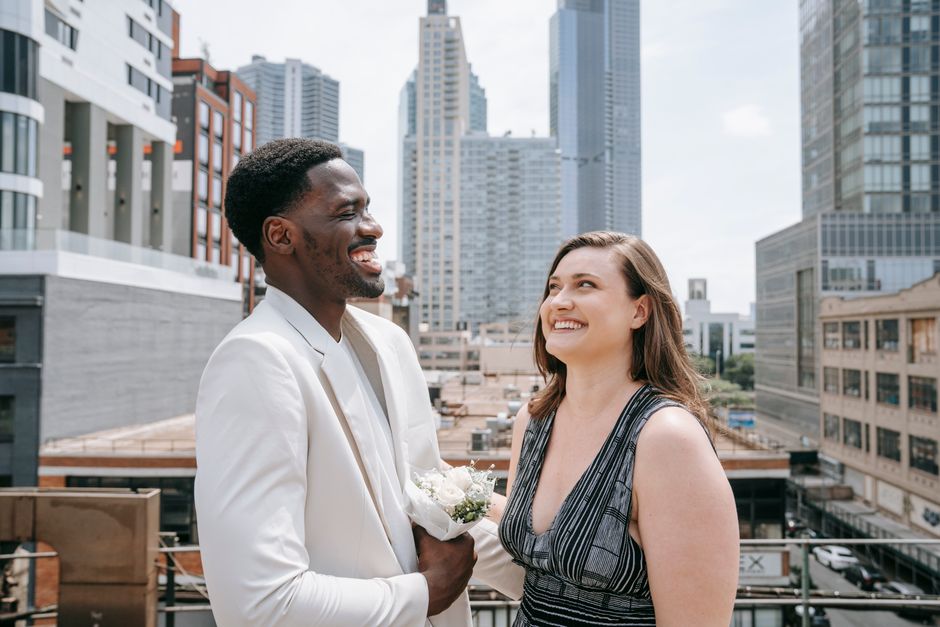
Yes, but only when the invitation and venue lean toward the relaxed side of black-tie optional. A refined knee-length or midi dress in velvet, silk, crepe, or heavy satin can work with formal shoes and a polished bag. A thin jersey mini dress, casual floral print, or office sheath does not make the same argument. If you choose a shorter hem, increase formality through fabric, tailoring, and accessories.
What are the most common mistakes?
- Wearing a regular business suit with an open shirt and calling it formal.
- Choosing sneakers, casual boots, or heavily worn loafers because the event includes dancing.
- Buying a gown that needs constant adjustment at the neckline or hem.
- Mixing silver, gold, bright gemstones, and rhinestones without a clear reason.
- Ignoring the weather and arriving with an informal coat that covers the entire outfit.
When should you choose a less expensive outfit?
Choose the lower-cost option when you expect to wear the garment only once, the event has a relaxed venue, or you can alter the item well. Do not save money on the fit of the jacket, trouser hem, or dress length. A modestly priced garment with expert alterations will usually look better than a luxury item that pulls at the shoulder or drags on the floor. The wrong purchase is not the cheapest one; it is the garment that cannot survive sitting, walking, and photographs.
How to Finish the Outfit Before Leaving Home
A 30-minute final check
- Steam the main garment and inspect it under bright light.
- Try on the complete outfit with the actual shoes and undergarments.
- Check that the hem clears stairs and the jacket closes without pulling.
- Pack a small repair kit with a safety pin, stain wipe, fashion tape, and blister plasters.
- Photograph the outfit from the front, side, and back. Formal flaws often show more clearly in a phone photo.
Makeup and hair should support the clothing. A sleek bun, controlled waves, clean skin, and one defined feature work better than several competing details. The same rule applies to a handbag. Select a compact clutch or small shoulder bag with a chain that will not catch on velvet, sequins, or delicate fabric.
The final verdict for each guest
For the safest formal answer, choose a classic tuxedo or floor-length gown. For a warmer, fashion-forward look, choose velvet tailoring. For color, choose a jewel-tone gown with restrained accessories. For a softer menswear option, choose midnight navy with black formal shoes. For movement, choose a long satin column dress. Choose a jumpsuit only when its fabric, length, and structure clearly belong at an evening event.
That is the central rule behind black-tie optional dressing: optional gives you room to choose, not permission to lower the standard. Start with a formal silhouette, test the fit in real movement, and let one strong detail carry the look. The result will suit the invitation, the photographs, and the person who first worried that optional meant anything goes.
Related Posts
Comfortable Walking Sandals For Summer Travel: 8 Comfortable Walking Sandals for Stylish Summer Travel
Need sandals that can handle a full day of museums,…

Best Plus Size Jeans for Apple and Pear Shapes in 2026
Two pairs of jeans with the same labeled size can…
Black Skinny Jeans Dinner Outfit: Accessories That Make It Evening Ready
Black skinny jeans become dinner-ready when the accessories add polish,…