On the fourth Monday, I stood in front of a full closet and still felt I had nothing to wear. The problem was not a lack of clothes. It was too many pieces that worked for one outfit, one temperature, or one very specific mood.
So I removed everything except 15 clothing items and dressed from that group for one month. I tracked what I wore, what stayed untouched, how often I did laundry, and which pieces made getting dressed easier. The result was useful, but not romantic: a small wardrobe works only when every item has a clear job.
The real problem was outfit friction, not a small closet
My first surprise was how quickly decision fatigue disappeared. With 15 items, I stopped asking whether a shirt looked good in theory and started asking a sharper question: can I wear it with at least three things I already own? That test removed the pretty but difficult pieces immediately, including a cropped jacket that needed high-waisted trousers and a patterned skirt that only worked with one pair of shoes.
The experiment also exposed the difference between owning clothes and owning outfits. A white shirt may look versatile on a hanger, but it is not useful if it wrinkles after one wear, feels tight under a sweater, or needs dry cleaning. A pair of trousers may look basic, yet earn its place if it works for errands, work, dinner, and travel.
Repeatability beat novelty. I wore the same two bottoms far more often than expected because they felt comfortable, survived long days, and matched every top. I also repeated outfits without the social disaster I had imagined. Most people noticed the overall shape and color, not the exact number of times I wore a navy sweater.
The clear verdict: a 15-item wardrobe is worth trying if your morning problem is choice overload. It will not solve a dress-code problem, a sudden weather change, or a job that demands fresh formal looks every day.
A 15-item closet needs a weekly outfit system
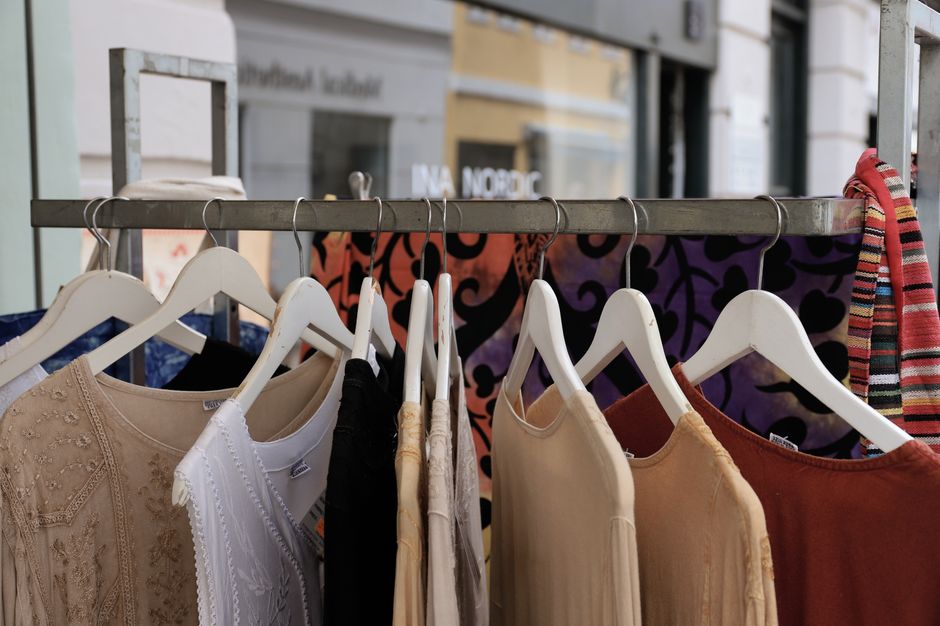
The best system was not a strict capsule formula. It was a weekly check that matched clothes to real plans. I chose the 15 items around the occasions already on my calendar, then gave each item a job before the week began.
| Weekly need | Items required | Simple test |
|---|---|---|
| Workdays | 2 bottoms, 4 tops, 1 layer | Can I create four different combinations? |
| Casual days | 1 relaxed bottom, 2 easy tops | Can I move, sit, and walk comfortably? |
| Cold or wet weather | 1 warm layer, 1 weather-ready layer | Can I leave home without changing the whole outfit? |
| One polished plan | 1 sharper top or dress, 1 flexible layer | Can I look intentional in 10 minutes? |
| Laundry gap | At least 3 reliable tops | Can I reach laundry day without panic? |
This table stopped me from building a fantasy wardrobe for an imaginary life. If I worked from home three days and walked everywhere, I did not need five delicate office blouses or a pair of uncomfortable shoes reserved for rare events.
My strongest rule was a two-outfit minimum. Every item had to create at least two complete looks, and every bottom needed at least three tops. Anything that failed went back into storage. That rule produced more useful combinations than buying another statement piece.
How to choose the 15 items without creating dead weight
Start with your calendar, not your Pinterest board. The goal is a wardrobe that handles your actual week with less effort.
- Write down seven days of plans. Include commuting, exercise, errands, meetings, dinners, and time at home. Do not plan for a glamorous lifestyle you do not live.
- Pick the hardest category first. If work clothes cause the most stress, choose the work pieces before casual items. If weather creates the problem, start with layers and footwear.
- Choose a tight color base. I used black, cream, denim, and olive, then added one muted accent. Four base colors made mixing easier without making every outfit look identical.
- Set a three-outfit minimum for bottoms. A bottom that works with only one top is not a versatile item. Keep it only if it serves a special event you genuinely have scheduled.
- Test movement before appearance. Sit at a desk, climb stairs, reach overhead, and wear the item for two hours. Clothes that look good but pinch, slide, or itch become abandoned clothes.
- Leave room for laundry. Fifteen items does not mean fifteen clean garments forever. I needed enough washable tops to cover four days, plus one laundry session before the week became difficult.
- Record every repeat. A quick note on your phone shows the truth. The items you reach for repeatedly deserve space. The untouched items need a strong reason to stay.
The mistake I made at first was counting categories instead of functions. Three shirts can sound like enough, but three shirts made from fabric that wrinkles quickly are not enough. The better question is how many clean, comfortable outfits you can create between washes.
The few pieces worth paying for

Spend money on the pieces that carry the week, not the pieces that create one dramatic photo. My experiment did not turn into a shopping list, but a few real products show what earned a place in a compact wardrobe.
Levi’s 501 Original Jeans are the stronger anchor bottom
The Levi’s 501 Original Jeans remain the best example of a dependable anchor: a straight fit, button fly, and no-stretch denim that can handle repeated wear. The US listing showed an original price of $84.95, with sale prices varying by wash. Choose them only if you like firm denim and a structured fit. If you need stretch for long commutes or frequent sitting, buy a stretch straight jean instead. My verdict: the 501 wins for a compact wardrobe because its shape works with fitted, relaxed, and oversized tops.
UNIQLO and COS cover different top problems
The UNIQLO AIRism Cotton Oversized T-Shirt was listed at $19.90 and offered a relaxed shape with a cool-touch fabric feel. It works best for casual outfits and travel. The COS Cotton Crew-Neck T-Shirt was listed at $29 and looked cleaner under a blazer or cardigan. Pick the UNIQLO for comfort and repeat wear; pick the COS tee when you need a sharper neckline. The COS shirt is my better choice for a small work-friendly wardrobe.
Patagonia Better Sweater solves the layer gap
The Patagonia Women’s Better Sweater Jacket was listed at $129, with a slim fit and a listed weight of 301 grams. It is not the lightest layer, but it bridges casual clothes and practical outerwear well. That matters when 15 items must cover changing temperatures. Do not buy it for hot weather or very formal dressing. For cool offices, travel days, and weekend walks, it is the most useful third layer of the four examples.
Can 15 items work for real life?
Yes, but only when you define the limits before you start. A smaller wardrobe is a tool for reducing daily choices, not a test of personal discipline.
Will people notice repeated outfits?
Usually, no. People notice obvious stains, poor fit, and clothing that looks uncomfortable. They rarely track your shirt rotation. Changing one detail, such as a cuff, tuck, belt, or layer, can make a repeat feel fresh without adding another garment.
What breaks the system first?
Weather and special occasions create the biggest problems. A 15-item plan built for mild temperatures will fail during a heat wave or cold snap. Keep a separate seasonal storage box and do not count occasional formalwear if you already own it for a clear reason.
Who should skip a 15-item wardrobe?
Skip it if your work requires several uniforms, your climate changes sharply every day, or you wash clothes only once every two weeks. The system also fails when you treat discomfort as proof of commitment. A wardrobe is working when it makes life easier, not when it makes you endure clothes you dislike.
My recommendation is specific: start with 15 items for one month, build around your real calendar, and keep only pieces that create at least two comfortable outfits. For most people, that test will reveal the useful clothes faster than another shopping trip.
Related Posts

Spring Outfit Ideas Without Jeans: 7 Chic Spring Outfits for Mild Weather Without Jeans
Mild spring weather calls for clothes that handle cool mornings,…

Rent the Runway vs. Nuuly: Best Event Dresses in 2026
A $400 dress worn for six hours costs about $66.67…

Plus-Size Jeans for a Better Fit: A Body-Shape Guide
Start With the Waist-to-Hip Problem The best plus-size jeans are…