A $500 wardrobe can cover more real-life situations than a closet full of random sale purchases. The key is to buy outfits, not isolated pieces. A student needs clothes for lectures, interviews, rainy walks across campus, casual dinners, laundry delays, and warm or cold weather. That makes the budget a planning problem before it becomes a shopping problem.
What should a $500 college wardrobe actually cover?
The first decision is coverage. Your wardrobe has to handle repeated weekly use, not just look good in a fitting-room mirror. A strong starter closet includes a dependable bottom, two different tops, one polished layer, one casual layer, and shoes that can survive several miles of walking. It also needs enough variety to avoid wearing the same outfit every other day.
Start with a weekly-use inventory
Count your actual situations. Most college students need clothes for class, studying, social plans, presentations, part-time work, exercise, and weather changes. Do not spend the entire budget on a special-event outfit if you attend formal events twice a semester. Put money into pieces you can wear at least once a week.
A useful test is the three-outfit rule. Every new item must work in at least three complete outfits using clothes you already own or plan to buy. A black cardigan can pass because it works with jeans, trousers, and a skirt. A bright sequin top usually fails unless your social calendar makes it practical.
Use a small color system
Choose two base colors and two accent colors. Black, dark denim, cream, olive, burgundy, and soft blue are easy starting points. This does not mean every item must be plain. It means your clothes can mix without extra purchases.
Best starting verdict: spend first on repeatable outfits for class and daily errands. For most students, that creates more style than buying one expensive statement piece.
How should you divide the $500 budget?
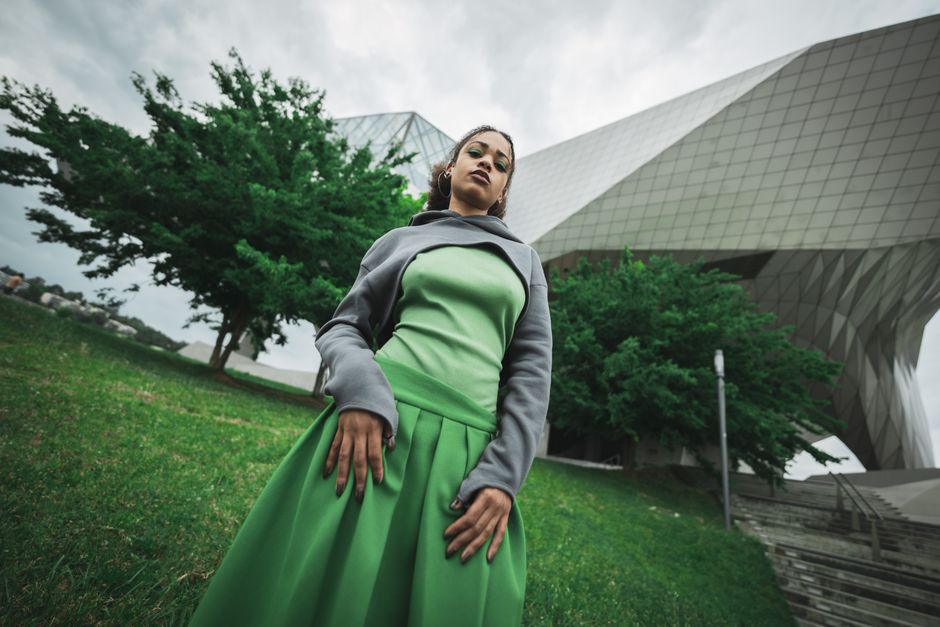
Use the budget like a coverage plan: protect the essentials first, then add flexibility. The numbers below leave room for one weather-dependent adjustment, such as replacing a light jacket with a warmer coat if you attend school in a cold climate.
| Wardrobe category | Target amount | What it should cover |
|---|---|---|
| Two bottoms | $90 | One straight or wide-leg jean and one trouser, skirt, or casual pant |
| Five everyday tops | $105 | T-shirts, knit tops, button-up, or long-sleeve layers |
| Two polished layers | $80 | Cardigan, blazer, overshirt, or clean knit jacket |
| One casual layer | $45 | Hoodie, crewneck, or fleece for campus days |
| Two pairs of shoes | $120 | Walking sneaker plus loafer, flat, or weather-ready boot |
| Accessories and care | $35 | Belt, tote, jewelry, lint roller, and basic repairs |
| Total | $475 | $25 remains for tax, tailoring, or a missing essential |
Keep a repair reserve
The final $25 is not wasted money. It can pay for a hem, replacement button, stain treatment, or garment-care supplies. A $12 repair can extend the useful life of a pair of trousers far more than another low-quality top.
Spend more only where wear is high
Put extra dollars into shoes, jeans, and outer layers because they receive the most friction and washing. Save on simple cotton tops, accessories, and trend pieces. The best allocation is not the one with the lowest price per item. It is the one that reduces replacement shopping.
Budget verdict: aim to spend about $120 on shoes and no more than $45 on any single trend-driven item. That balance keeps the wardrobe functional and leaves room for personal style.
Which affordable brands give students the strongest value?
Brand names help set realistic expectations, but a label does not guarantee quality. Check fiber content, stitching, return rules, and current pricing before buying. Prices also move with sales, so treat these figures as useful targets rather than permanent promises.
Best for reliable basics: Uniqlo
Uniqlo is the strongest starting point for simple layers. Its ribbed T-shirts and crewneck sweaters often sit around $20 to $40, while washable knitwear can cover cold lecture halls without looking overly casual. Choose a neutral T-shirt, a fine-knit cardigan, and one long-sleeve top. The clear tradeoff is style: Uniqlo basics are clean but understated, so accessories or interesting bottoms have to provide the personality.
Best for denim value: Levi’s
Levi’s sale pricing can bring a pair of 501, straight-leg, or 314 jeans into the $40 to $70 range. For college wear, a medium or dark wash gives more outfit options than heavily distressed denim. Check the rise and fabric blend carefully. Stretch denim feels comfortable, but a very thin blend may lose shape faster.
Best for polished separates: Quince
Quince can be useful for a clean cardigan, washable silk camisole, or simple cashmere layer when a sale brings the price within range. A cardigan around $50 to $70 can serve for presentations, dinners, and travel. The important limit is quantity: one polished layer earns its place, while several similar knits can consume the budget quickly.
Brand verdict: use Uniqlo for everyday tops, Levi’s for a dependable denim anchor, and Quince for one elevated layer. That three-brand mix gives a student clear roles instead of a closet full of near-duplicates.
Which pieces should you buy first?
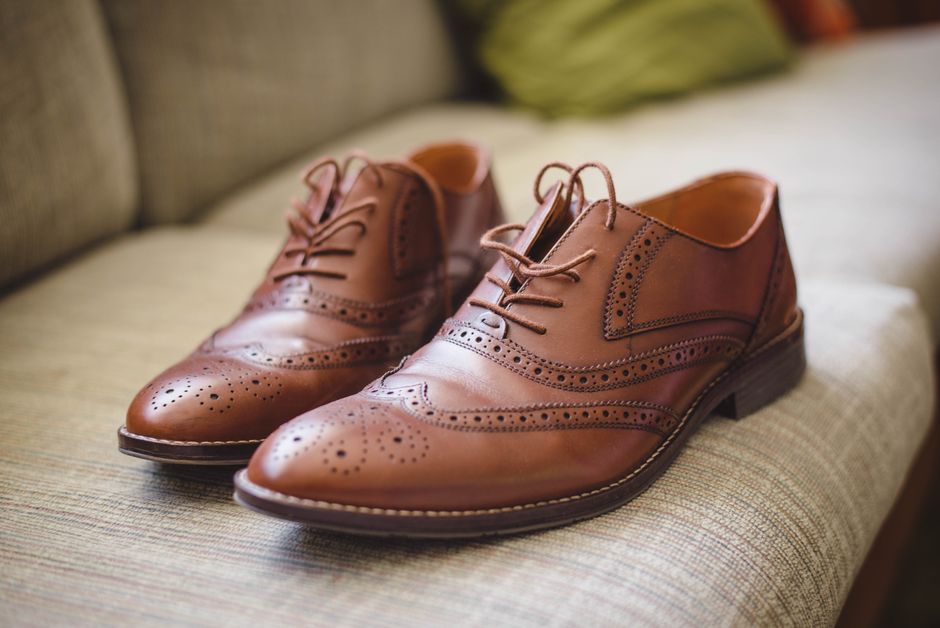
Buy in outfit order, not shopping-cart order. The first purchase should create a complete outfit. The second should create a different outfit with at least one shared piece. This sequence exposes gaps early and prevents a pile of tops with nothing to wear underneath them.
- Buy one dependable bottom. Start with straight-leg jeans, tailored trousers, or a midi skirt that fits your normal campus routine. Prioritize comfort at the waist and enough room to sit, walk, and carry a backpack.
- Add three tops with different jobs. Choose one T-shirt, one long-sleeve or knit top, and one button-up or blouse. Distinct functions matter more than three slightly different basic tees.
- Add a polished layer. Pick a cardigan, blazer, or structured overshirt. It should instantly make jeans look ready for a presentation or dinner.
- Buy walking shoes. Test them with the socks you normally wear. A stylish shoe that causes blisters is an expensive costume.
- Fill the weather gap. Add a rain shell, warm coat, or lightweight layer only after checking what you already own.
- Use the final money for styling. A belt, tote, scarf, or small earrings can make repeated outfits look intentional.
Try each item at home with at least three combinations before removing tags. Photograph the outfits in natural light. This takes ten minutes and reveals problems that a store mirror hides, such as a shirt that rides up under a backpack or trousers that crease badly when seated.
Shopping verdict: the first six purchases should build complete outfits. Accessories come last, after the wardrobe can already handle a normal week.
What mistakes make a cheap wardrobe look expensive in the wrong way?
The biggest problem is not a low budget. It is poor cost control. Students often buy a $15 item because it feels harmless, then discover that eight similar purchases have consumed the money needed for shoes and outerwear.
Mistake one: buying for an imaginary lifestyle
A satin party top may look exciting, but it cannot solve daily dressing if your week is mostly classes and library time. Buy for your calendar as it exists. Set aside a small amount for fun clothing after the practical core is complete.
Mistake two: ignoring fabric and care
Read the label. Acrylic knitwear can feel soft in the store but pill quickly under backpack straps. Very thin polyester may cling, trap odor, or show every wrinkle. Cotton, cotton blends, wool blends, denim, and sturdy viscose can all work, but the construction still matters. Look at seams, buttons, hems, and areas that receive friction.
Mistake three: accepting the wrong fit
Do not keep a $35 pair of trousers that needs constant pulling up. If the waist fits but the length is wrong, tailoring may solve the issue. If the rise, shoulders, or armholes are wrong, return the item. Poor fit makes an inexpensive wardrobe appear careless and can make an expensive item look no better.
Failure-mode verdict: reject anything that works only with one outfit, requires uncomfortable care, or needs constant adjustment. A low price does not turn a bad purchase into a smart one.
When should you choose secondhand or skip a purchase?
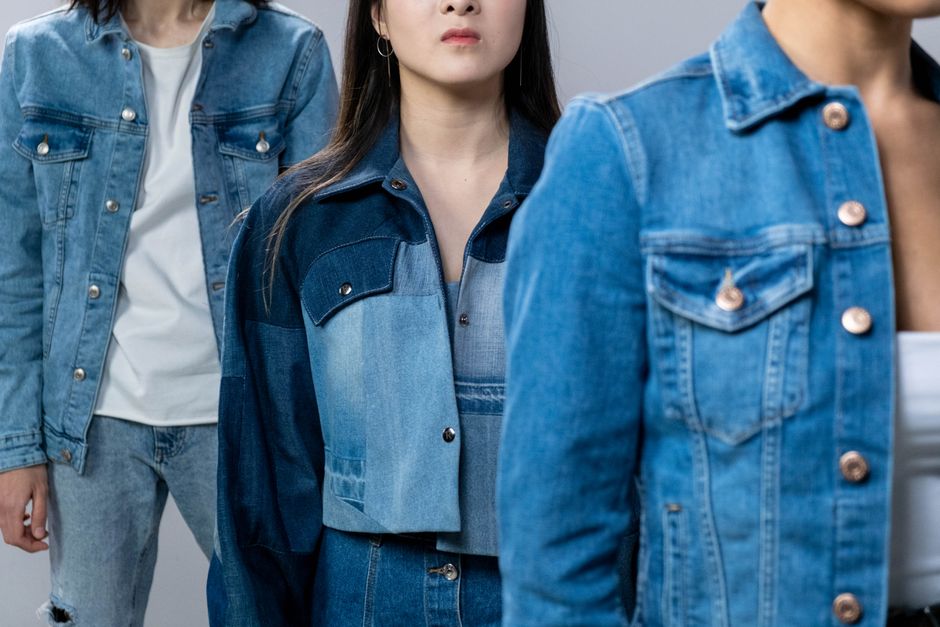
Secondhand shopping is strongest for denim, leather bags, wool coats, blazers, and unusual accessories. Those categories often cost more new, but they can appear at thrift stores, consignment shops, campus resale groups, and online marketplaces for much less. Search by measurements instead of relying only on labeled sizes.
Choose secondhand for durable statement pieces
A used wool-blend coat in good condition can offer better warmth and structure than a new ultra-cheap coat. Inspect the lining, underarms, cuffs, pockets, and zipper. Check for moth holes, persistent odor, and stains before paying. For shoes, inspect the sole, heel wear, and interior padding. A discount is not a bargain if the item needs immediate replacement.
Buy new for basics and hygiene-sensitive items
New T-shirts, underwear, socks, and simple leggings are easier to size and replace. Secondhand basics can work after careful washing, but a student with limited time may value predictable fit more than a small saving. Buy new when return policies, condition, or sizing information are unclear.
Skip a purchase when it duplicates an item you already own. Also skip pieces that depend on a future lifestyle, a future size, or a future event. Your $500 works harder when each item earns space through current use.
Alternative verdict: buy secondhand for coats, denim, and bags; buy new for core basics; skip anything that solves no clear dressing problem.
How can you turn 12 pieces into a full week of outfits?
A compact wardrobe becomes chic through repeatable formulas. The clothing does not need to look identical every day. Change the proportions, shoes, and accessories while keeping the base pieces stable.
Use three reliable outfit formulas
Formula one is straight jeans, a fitted T-shirt, a cardigan, and loafers or clean sneakers. Formula two is tailored trousers, a tucked button-up, a belt, and a knit layer. Formula three is a midi skirt, a simple tee, an overshirt, and ankle boots or ballet flats. These combinations cover lectures, casual work, and dinner without requiring a different closet for each setting.
For a more relaxed day, swap the cardigan for a crewneck and add a tote. For a presentation, keep the same trousers but replace the T-shirt with the button-up and choose a structured layer. For hot weather, use the skirt or lightweight trousers with a sleeveless knit and a thin overshirt. The outfit changes because the styling changes, not because you buy a new look every morning.
Keep a simple wear-and-wash rhythm
Wash denim less often, air-dry knitwear flat, and use a steamer or bathroom steam to release light wrinkles. Rotate shoes for at least one day when possible. Those habits protect the budget because they reduce stretching, fading, odor, and early replacement.
Final recommendation: build around one dark denim piece, one polished bottom, five useful tops, two layers, and two pairs of shoes. That structure gives a college student the highest outfit count per dollar.
| Goal | Best choice | Reason |
|---|---|---|
| Maximum daily versatility | Dark jeans plus neutral knit layers | Works for classes, errands, and casual dinners |
| More polished outfits | Tailored trousers plus a structured overshirt | Raises simple tops without adding formalwear |
| Cold-weather campus | Secondhand wool-blend coat | Often offers better warmth per dollar |
| Lowest maintenance | Washable cotton and synthetic-blend basics | Handles frequent washing and limited laundry time |
| Best use of the final $25 | Tailoring or garment care | Improves fit and extends wear from existing pieces |
Related Posts

Best Yoga Pants for Street Style in 2026
A three-inch inseam spread can change an entire outfit. Athleta’s…
What Years of Wear Taught Me: Lululemon Align vs Athleta Salutation
You know the test: you put on leggings for a…

2026 Spring Outfit Trends for Petite Frames That Flatter
Spring trends look better on a petite frame when the…