Are you trying to find one blazer that works for office days, dinners, travel, and jeans? Start with the fit, not the label. A good blazer gives your outfit shape, but it should still let you raise your arms, sit comfortably, and wear a sweater underneath. Use the guide below to choose the cut, fabric, and price level that match your real wardrobe.
What makes a blazer worth buying?
The shoulder is the first filter
The shoulder seam should finish where your shoulder ends. If it drops several centimeters down your arm, the jacket will look borrowed instead of relaxed. If it sits too far inside the shoulder, the sleeve will pull when you move. Stand sideways in a mirror and check the collar. It should lie close to your neck without a gap or roll.
Next, fasten the blazer. The button should close without a sharp X-shaped pull across your chest. A little room is useful because shirts and light sweaters need space. The hem should cover the waistband of your trousers or sit around the top of your hip. Very short styles can work with high-rise jeans, but they are less flexible across a full wardrobe.
Fabric decides the real use
Choose wool or a wool blend for a structured office jacket, linen or linen blends for warm weather, and ponte or stretch twill for commuting. Smooth fabric photographs well, while textured fabric hides wrinkles and small marks. A lining helps a jacket slide over clothing, but an unlined blazer usually feels cooler.
The best first purchase is a medium-weight blazer in black, navy, charcoal, or camel. Those colors work with denim, skirts, dresses, and tailored trousers. A bold check or bright color can come later.
Which blazer cut fits your actual wardrobe?
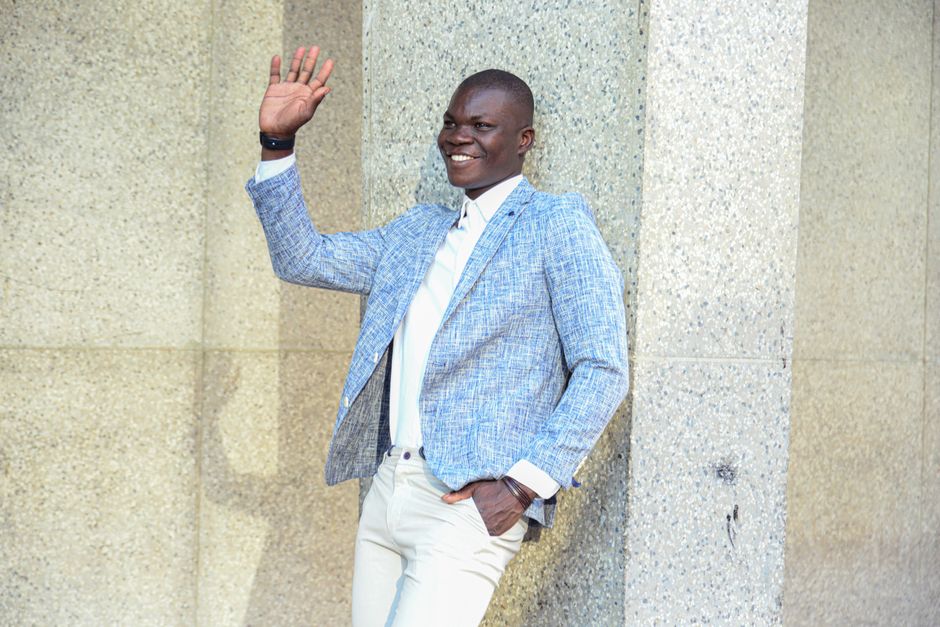
Match the silhouette to your weekly outfits
Do not buy a blazer because a model looks good in it. Match the shape to the clothes you already wear. A single-breasted jacket is the safest starting point because it looks clean over a T-shirt and does not add as much width through the torso. A double-breasted jacket creates a stronger waist and chest line, but it needs more room and careful button placement. An oversized blazer looks modern with slim trousers or a fitted dress; it can look heavy beside wide-leg pants.
Use this quick selection table
| Blazer cut | Best with | Watch for | Best choice for |
|---|---|---|---|
| Single-breasted, hip length | Jeans, trousers, dresses | Buttons pulling across the bust | One-jacket wardrobes |
| Double-breasted | Wide-leg trousers, skirts | Too much bulk at the waist | Polished, defined outfits |
| Oversized | Fitted tops, slim denim | Drooping shoulders and long sleeves | Relaxed street-style looks |
| Cropped | High-rise jeans and skirts | Hem stopping at the widest hip point | Shorter proportions |
| Longline | Column dresses and narrow trousers | Extra fabric bunching when seated | Tall frames and sleek outfits |
For the most outfits per dollar, choose a single-breasted blazer that ends near the top of your hip. That proportion works with both tucked and untucked tops. Pick an oversized or double-breasted cut only when you already know how you will balance its extra volume.
Which best blazers offer real value?
My clear value pick is the Quince Ultra-Stretch Ponte Blazer. It gives you a polished shape, four-way stretch, and wrinkle resistance for $70 on the official product page checked in July 2026. The fabric is 67% rayon, 28% nylon, and 5% spandex. It has princess seams, darts, peak lapels, and a slim fit. Choose it for commuting, frequent travel, or an office that expects neat clothing but does not require traditional suiting.
Best low-cost option for frequent wear
The Quince Ultra-Stretch Ponte Blazer is the easiest recommendation for a first blazer. Ponte resists creasing better than many woven fabrics, and the machine-wash care is useful if you wear the jacket several times a week. The tradeoff is shape: it looks sleek and fitted rather than loose and fashion-forward. Size up if you plan to wear thick knitwear underneath.
Best upgrade for tailoring and fabric choice
The J.Crew Madelyn blazer in four-season stretch sits at a higher price, listed at $258 with select colors shown at $159.99. It is offered in Classic, Petite, and Tall proportions, which gives shorter and taller shoppers a better starting point before alterations. For warm-weather dressing, the Banana Republic Factory linen-blend double-breasted blazer was listed at $200 and shown at $80 on sale. It brings more texture and airflow but will crease faster. Pick J.Crew for a year-round office jacket; pick Banana Republic Factory for summer dinners and relaxed tailoring.
Do not pay more just for a famous name. Spend extra when the shoulder, sleeve length, and fabric feel are clearly better, or when the brand offers the exact petite, tall, or curvy proportion you need.
How do you try on a blazer without wasting money?
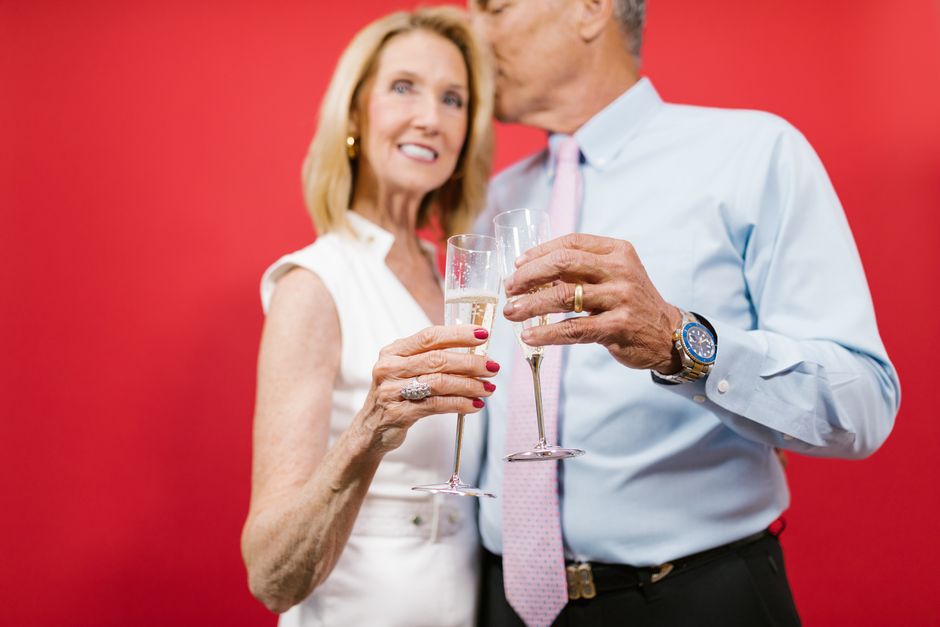
Follow this five-minute fitting test
- Check the shoulder. The seam should meet the end of your shoulder, with no bump or empty shelf.
- Close the front. Fasten the main button and move both arms forward. The fabric should not strain across your chest or stomach.
- Test the sleeves. Bend your elbows and reach for a door handle. The cuff should end near the wrist bone, not halfway up the forearm.
- Layer underneath. Try the blazer over the shirt or thin sweater you will actually wear. A perfect fit over a tank top may be too tight for work.
- Sit down. The lapels should stay flat, the back should not ride up sharply, and the hem should not trap your hips.
Know when tailoring will fix the problem
A tailor can shorten sleeves, adjust the hem, and take in the side seams. Those are sensible alterations. A tailor cannot easily rebuild a shoulder that is two sizes too wide or add room across a tight bust without changing the jacket’s balance. Never buy a blazer that fails the shoulder test because the sale price looks attractive.
Check the care label before removing tags. Dry-clean-only fabric costs more over time, while machine-washable ponte suits a busy schedule. Also inspect the lining, pocket openings, and button stitching. Loose threads are easy to fix; crooked lapels and uneven sleeves usually signal poor construction.
What should you wear with a blazer?
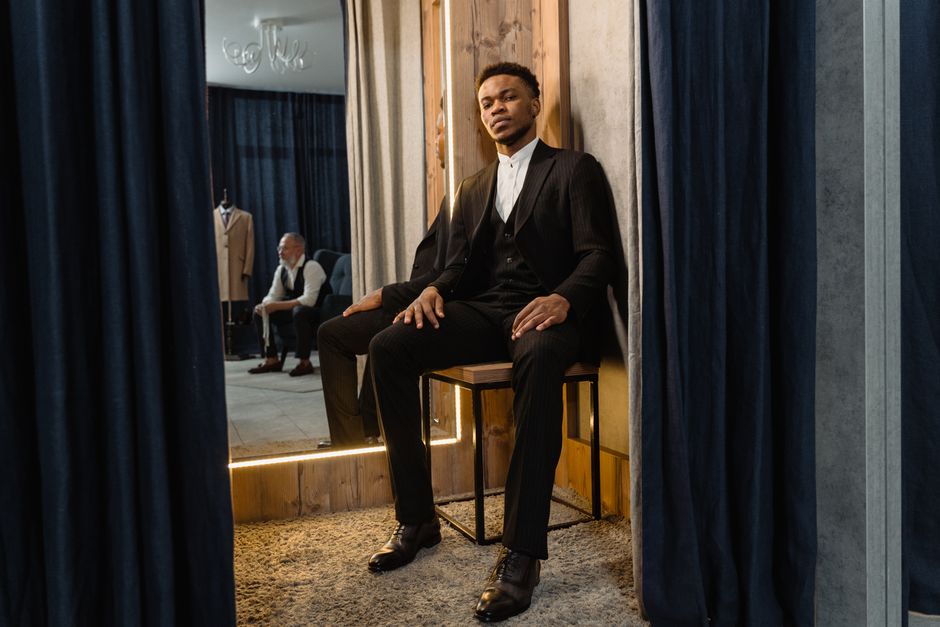
Can you wear a blazer with jeans?
Yes. Use a fitted T-shirt, straight-leg or slim jeans, and loafers, ballet flats, or clean sneakers. Keep the blazer structured if the denim is relaxed. A tucked top creates a visible waist and stops the outfit from looking shapeless. Dark denim reads dressier; faded denim gives the jacket a casual weekend role.
Can you wear a blazer with a dress or skirt?
Choose one long line. If the dress is loose, select a closer-fitting blazer. If the dress is fitted, an oversized jacket can add useful contrast. With a skirt, keep either the blazer or the top tucked so the waist does not disappear. Match the formality of the shoes to the fabric: leather loafers suit wool, while sandals work better with linen.
Common mistakes are easy to avoid. Do not pair a very long oversized blazer with equally loose trousers unless you want a deliberately dramatic silhouette. Do not wear a thin, wrinkled top under a sharply tailored jacket. Do not force a bright blazer into outfits that only contain black and gray if you have no coordinating accessory.
If you opened your closet looking for one jacket that could handle work, dinner, travel, and jeans, choose a medium-weight single-breasted blazer with a clean shoulder and enough room for a shirt. That practical fit will earn more wears than the most striking cut in the shop.
Related Posts

Chunky Knit Sweaters in 2026: Everlane vs. H&M Value Review
A $228 cashmere sweater can cost less per wear than…
6 Business Casual Outfit Formulas That Work in 2026
What Business Casual Actually Means at Home and the Office…
7 Spring Outfit Ideas for Petites That Flatter in 2026
Petite spring dressing is less about hiding your height and…