Why the Right Coat Beats a Bigger Wardrobe
You know the problem. You put on a smart outfit, add the coat you bought in a hurry, and the whole look turns bulky, short, or oddly casual. The coat covers more of your outfit than any other item, so a poor choice can ruin good trousers, knitwear, and shoes in seconds. After years of buying outerwear, I have found that one well-cut coat does more for a wardrobe than three cheap jackets.
The coat has one basic job
A coat creates a clean outer shape, blocks wind and rain, and leaves enough room for the clothes underneath. That sounds simple, but many men buy by color first. I do the opposite. I start with the weather, the usual outfit, and the amount of movement I need. A long wool coat works for office trousers and tailored denim. It fails for cycling, muddy walks, and constant car travel. A short insulated jacket handles those jobs better.
Check the fit over real clothes
Try a coat over the thickest sweater or blazer you plan to wear. The shoulder seam should sit close to your shoulder bone, not halfway down your arm. You should be able to button it without the fabric pulling across your chest. Raise both arms, sit down, and reach forward. If the back climbs high or the sleeves expose your wrist, the cut is wrong.
My first verdict is simple: buy for your most common outfit, not for an imaginary lifestyle. A coat that works three days a week will earn its price faster than a dramatic style that stays on a hanger.
Match Coat Length to the Clothes You Actually Wear

Length changes the balance of an outfit. It also changes how warm and formal the coat feels. The safest choice is one that covers the clothing underneath without making your legs look unusually short. Before choosing a style, measure the jackets you already wear and notice where their hems land.
Use this length guide
| Coat length | Best clothing match | Main risk |
|---|---|---|
| Hip length | Jeans, chinos, sneakers, casual boots | Looks weak with a formal suit |
| Mid-thigh | Business casual, knitwear, tailored trousers | Can feel boxy if too wide |
| Knee length | Full suits, dress shoes, formal winter outfits | Looks excessive with shorts or slim sneakers |
| Below the knee | Long tailoring and cold city commutes | Heavy and awkward for driving |
Do not let the trousers decide alone
The coat should usually cover the seat of your trousers. If you wear suits, the hem should cover the jacket underneath. A short coat over a long blazer creates a visible strip of fabric that looks accidental. With jeans, the rules loosen, but proportion still matters. Wide trousers look better with a roomier coat, while narrow trousers need a cleaner, closer outer line.
I prefer a mid-thigh coat for most men because it handles denim, chinos, and office clothing without looking too formal. Choose a knee-length overcoat only if you regularly wear tailoring or live somewhere with serious winter wind.
Choose Fabric and Structure Before Color
Color gets attention in the shop, but fabric decides comfort, warmth, and lifespan. A black coat can still look cheap if the surface shines, the collar collapses, or the lining twists. Navy, charcoal, camel, olive, and dark brown give you more useful combinations than a bright seasonal color.
Know what the fabric is doing
Wool traps warm air and resists wrinkles, which makes it the best choice for a smart city coat. A dense wool blend can outperform a soft, loosely woven pure wool coat because the weave blocks more wind. Cashmere feels luxurious but does not automatically make a coat warmer; it also needs more careful storage and brushing. Cotton works well for trench coats and transitional weather, but it needs a water-resistant finish if rain is common.
Look at the structure points
Inspect the collar, sleeve head, buttons, pockets, and lining. The collar should stand when turned up. The sleeves should have enough room for a shirt cuff and sweater without ballooning. Pockets should sit flat when empty. A coat with a slippery polyester lining is easier to put on over knitwear, while a half-lined design feels cooler but offers less protection.
My strongest fabric rule is to avoid thin wool that folds like dress trousers. It may look elegant under shop lighting, but it loses shape quickly. For a first serious coat, choose a dense wool blend in charcoal or navy. That gives you warmth, structure, and far more outfit options than a delicate fashion fabric.
The Seven Coat Styles Worth Your Money
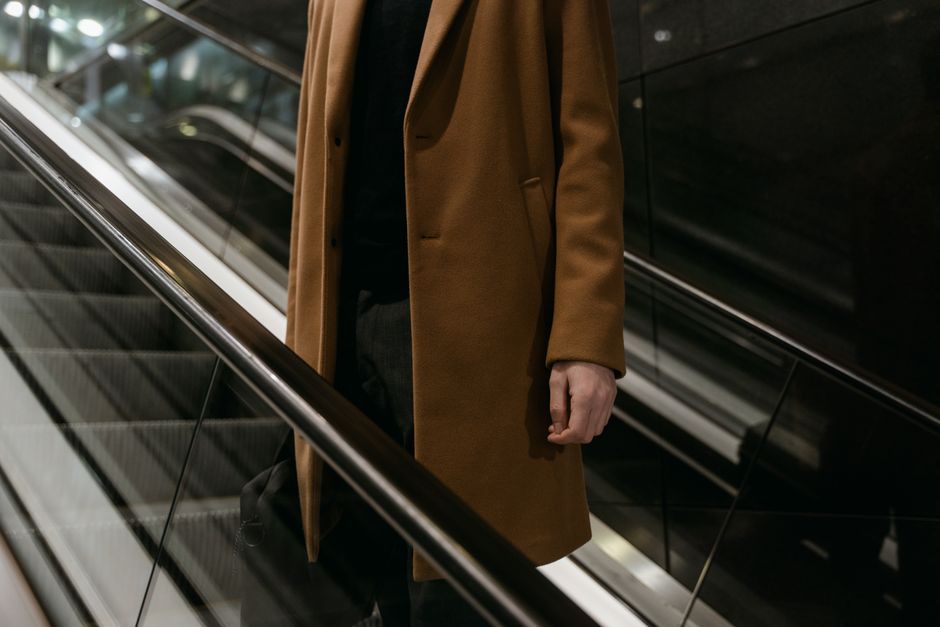
Now I would compare actual styles and products. These are the seven categories I return to because each solves a different wardrobe problem. Prices vary by retailer and sale period, so treat the figures as useful buying targets rather than permanent promises.
Pick by use, not by runway appeal
| Style | Best use | Example and typical price |
|---|---|---|
| Overcoat | Office clothing and smart weekends | J.Crew Ludlow Topcoat, about $398 |
| Peacoat | Shorter casual winter outfits | Schott NYC 740N, about $395 |
| Trench coat | Rainy spring and fall commutes | London Fog Iconic Trench, about $160 |
| Waxed jacket | Wet country walks and rugged casual wear | Barbour Bedale, about $398 |
| Technical parka | Freezing weather and active commuting | Patagonia Tres 3-in-1 Parka, about $699 |
| Car coat | Driving and polished casual dressing | Polo Ralph Lauren Wool-Blend Car Coat, about $398 |
| Duffle coat | Relaxed winter outfits with texture | Gloverall Original Monty, about $700 |
My clear winners
For one coat that covers the most situations, I choose the J.Crew Ludlow Topcoat in charcoal or navy. For hard rain, the Patagonia Tres 3-in-1 Parka is the more practical purchase because its waterproof shell and removable insulated layer cover several temperature ranges. For a short wool coat, the Schott NYC 740N wins because its 32-ounce melton wool has real weight and holds its shape.
Do not buy a trench coat as your only deep-winter layer. Do not buy a duffle coat if your wardrobe is mostly formal. The best style is the one that matches your calendar and climate.
Avoid These Five Expensive Coat Mistakes
Most coat regrets come from small decisions made in a fitting room. I have made several of them, and they are easy to prevent.
The mistakes I would stop immediately
- Buying the wrong shoulder fit. A tailor can shorten sleeves, but changing the shoulders costs too much and often produces poor results. If the shoulder is wrong, leave the coat behind.
- Choosing a size that only works over a T-shirt. Outerwear needs room for a shirt and sweater. A coat that fits perfectly over a thin base layer will become useless in January.
- Ignoring sleeve length. Aim for the wrist bone or slightly below it. A visible shirt cuff is fine with tailoring, but an exposed wrist wastes warmth.
- Trusting a high fiber percentage without checking the weave. A coat labeled 100 percent wool can still be thin and fragile. Feel the cloth, inspect the seams, and hold it against light.
- Buying a dramatic color before owning a neutral. Bright orange or pale green may look great in one outfit. Navy, charcoal, and brown work with far more of your existing clothes.
When not to buy a wool coat
Skip wool if you spend most of the day outdoors in heavy rain, ride a bike to work, or need a coat that can handle frequent washing. A waterproof technical parka or waxed cotton jacket will serve you better. Wool is excellent at warmth and style, but it is not a universal weather shield.
The firm verdict: never compromise on shoulders, sleeve length, or the space needed for a sweater. A cheaper coat with the right proportions will look better than an expensive coat that pulls across your back.
Which Coat Should You Buy First?
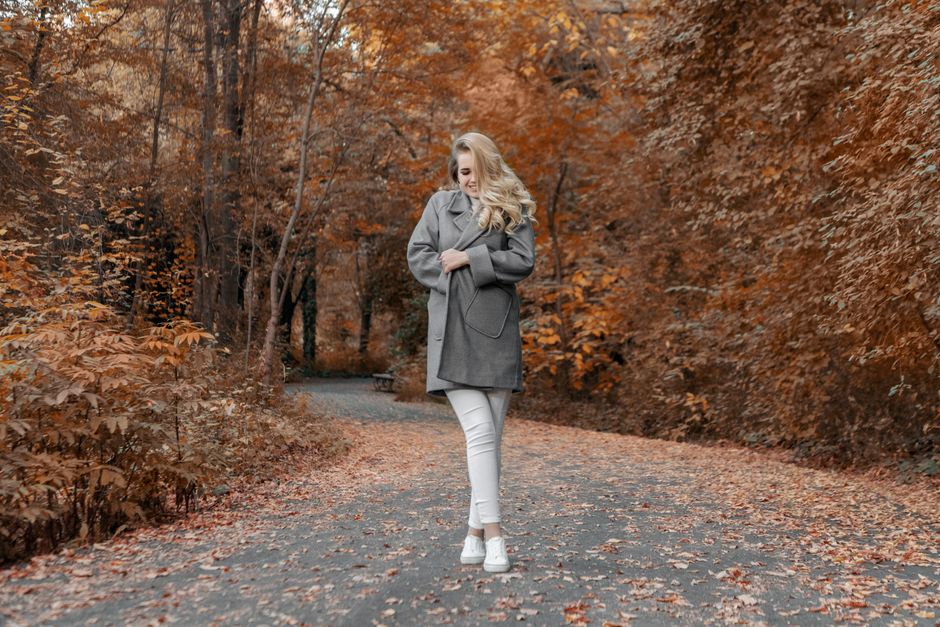
The best first purchase depends on the gap in your wardrobe, but there is still a clear order I would follow.
What is the best coat for office and weekend wear?
Buy the J.Crew Ludlow Topcoat if you need one coat for trousers, dark denim, boots, and smart sneakers. Its mid-thigh shape looks polished without reaching formal overcoat territory. Choose charcoal for maximum range. The best alternative is the Polo Ralph Lauren Wool-Blend Car Coat if you drive often and dislike a longer hem around the seat.
What is the best coat for severe winter weather?
Choose the Patagonia Tres 3-in-1 Parka when warmth, rain protection, and daily movement matter more than tailoring. The removable liner gives it more range than a single heavy parka. If your winter is cold but mostly dry, I would spend less on the Schott NYC 740N Pea Coat and add a warm sweater underneath.
What is the best coat for rain?
Pick the London Fog Iconic Trench for city rain and mild temperatures. Pick the Barbour Bedale for wet, rough conditions and a more relaxed look. The trench wins for clean office outfits; the waxed jacket wins for durability and casual wear.
If you are buying only one coat, get a charcoal mid-thigh wool overcoat such as the J.Crew Ludlow Topcoat. It solves the largest number of outfit problems, looks right with formal and casual clothes, and gives you a dependable foundation before you add a parka, peacoat, or trench.
Related Posts

How To Choose Statement Accessories That Make Simple Outfits Work
Statement accessories can rescue a plain outfit, but only when…
Dooney & Bourke Handbag Deals
Dooney.com Sponsored Offer A truly useful handbag should look polished…
Inclusive Plus-Size Denim Brands: 8 Plus-Size Denim Brands Changing the Fit in 2026
Plus-size denim is finally moving beyond one stretchy skinny jean…