A 30-piece wardrobe can create more than 100 workable outfits before accessories enter the picture. The trick is not owning less for its own sake; it is choosing clothes that share a color plan, suit your work setting, and survive repeated wear. For busy professionals, a useful minimalist capsule wardrobe should reduce morning decisions without making every outfit look identical.
How Many Clothes Belong in a Work Capsule Wardrobe?
Start with 30 core garments, then add shoes, bags, coats, and jewelry separately. This number gives most professionals enough variety for a five-day workweek while keeping laundry and outfit planning manageable. Your final count may change if you travel often, work in a formal office, or spend part of the week at home.
The 30-piece starting formula
| Category | Suggested count | What to include |
|---|---|---|
| Tops | 8 | Four polished shirts, two knit tops, and two simple tees |
| Bottoms | 6 | Two tailored trousers, two relaxed trousers, one skirt, and one dark jean |
| Layers | 6 | Two blazers, two cardigans, one overshirt, and one lightweight sweater |
| Dresses or one-piece outfits | 3 | Two work dresses and one easy travel dress |
| Casual support pieces | 5 | Weekend jeans, knitwear, and polished casual separates |
| Seasonal pieces | 2 | One warm-weather layer and one cold-weather layer |
The color rule that prevents boredom
Choose two base colors, one light neutral, and one accent. Navy and charcoal work well with white, cream, pale blue, burgundy, or olive. Black and camel create a sharper contrast. Every top should work with at least three bottoms, and every layer should work with at least four outfits. That simple test matters more than a rigid item count.
Verdict: Thirty pieces is the best starting point for a professional wardrobe, but the color and pairing rules matter more than the number itself.
How Do You Build a Capsule Wardrobe From Clothes You Own?
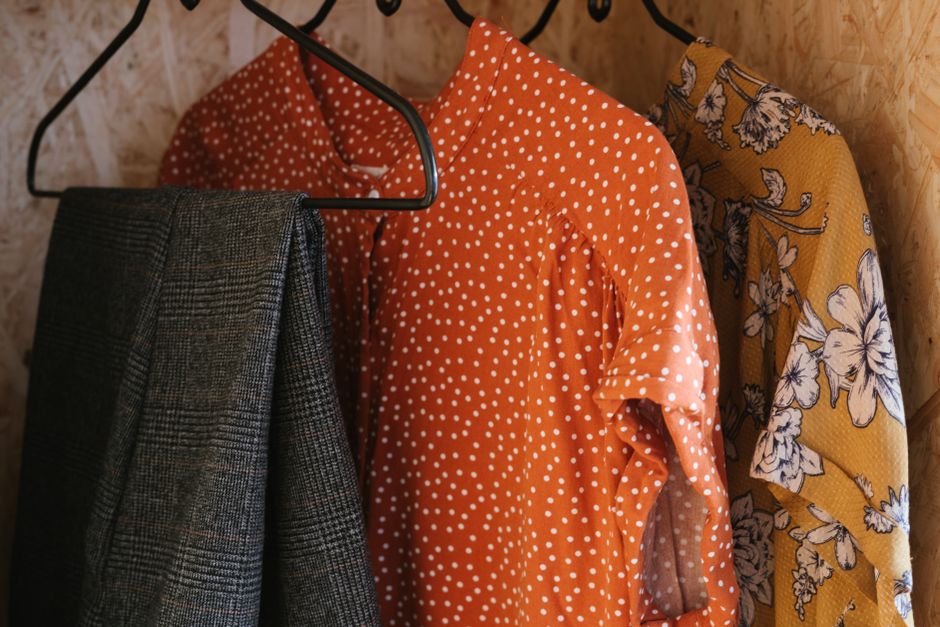
Do not begin by shopping. Begin with an audit. Most wardrobe problems come from buying another version of a garment that already fails in the same way: a blazer that wrinkles, trousers that need constant tailoring, or shoes that hurt after two hours.
Use this five-step wardrobe audit
- Remove every work garment from your closet and place it where you can see the full collection.
- Separate pieces into four groups: wear weekly, wear sometimes, needs repair, and never wear.
- Record the reason behind each unused item. Common reasons include poor fit, scratchy fabric, hard-to-match color, and unsuitable dress level.
- Keep one sample outfit from each successful work combination. Photograph it in natural light for rushed mornings.
- Write a replacement list before shopping. Describe the missing function, such as “black ankle-length trouser with stretch,” rather than “new pants.”
What to remove first
Remove anything that restricts movement during a normal workday. A garment that looks good for ten minutes but pulls at the shoulders, exposes a gap, or needs careful sitting is not a reliable work basic. Also remove novelty pieces that match only one other item. They consume closet space and create extra decisions.
What to keep for variety
Keep one or two expressive pieces: a printed blouse, colored shoe, textured jacket, or interesting belt. Minimalism does not mean beige clothing from head to toe. It means the statement pieces have a stable base around them.
Best approach: build around clothes you already wear comfortably, then replace the two or three items that cause the most outfit failures.
Which Fabrics and Fits Work Best for Busy Professionals?
Fabric choice decides how often a capsule wardrobe works in real life. A beautiful outfit loses value if it needs dry cleaning after every use, shows every crease during a commute, or becomes uncomfortable in a heated office. For a professional capsule, look for fabrics that hold shape, allow movement, and match your care routine.
Choose fibers for the workday you actually have
Wool blends are strong choices for trousers, skirts, and blazers because wool resists odor and recovers from light wrinkling. A blend with polyester or elastane can lower the price and make washing easier, though too much synthetic fiber may trap heat. Cotton poplin looks crisp for meetings but creases faster than a cotton stretch shirt. Tencel and viscose drape well and feel cool, yet low-quality versions can pill or shrink. Check the care label before buying: “machine washable” only helps if you will really wash the item correctly.
Use fit checkpoints instead of size labels
For a blazer, the shoulder seam should sit near the edge of your shoulder, the lapels should lie flat, and the button should not pull across the chest. Trousers should sit securely without a tight waistband when you sit down. A straight or softly wide leg usually gives more outfit options than an extreme cut. For shirts, check the armhole, button spacing, and hem length. These details decide whether the garment can be tucked, layered, or worn loose.
Do not buy a full capsule in one weekend. Wear each new piece at least three ways before ordering a similar item. That trial exposes gaps that a fitting-room mirror hides.
Verdict: prioritize washable wool blends, cotton with a little stretch, and stable fits that remain comfortable while sitting, walking, and commuting.
Which Workwear Basics Are Worth Buying?

My strongest recommendation is to spend first on trousers, a blazer, and comfortable work shoes. These pieces carry the visual structure of most professional outfits, so a poor fit shows quickly. A costly shirt cannot rescue trousers that twist at the knee or shoes that make you avoid walking between meetings.
Best starting pieces by use case
| Need | Specific option | Why it earns space |
|---|---|---|
| Affordable washable trouser | Uniqlo Smart Ankle Pants, about $49.90 | Stretch fabric, clean ankle length, and easy pairing with flats or loafers |
| Polished tailored trouser | COS Wide-Leg Tailored Trousers, about $150 | Stronger drape and a modern silhouette for formal offices |
| Lightweight jacket | M.M.LaFleur Etsuko Knit Jacket, about $195 | Jersey comfort with a blazer-like outline for travel and long days |
| Simple cotton top | Everlane Organic Cotton Box-Cut Tee, about $30 | A neat base layer under jackets and cardigans |
| Everyday sneaker | Adidas Stan Smith, about $100 | Low-profile shape that suits relaxed offices and commuting |
My clear picks for three office settings
For a business-casual office, the Uniqlo Smart Ankle Pants are the best value because they handle frequent wear without demanding a high purchase price. For a more formal office, choose the COS trousers and add a simple blazer; the cleaner drape looks more deliberate than thin stretch pants. For commuters who walk several miles each week, the Adidas Stan Smith is the better casual option, but it should not replace a polished loafer when clients expect formal dress.
When not to buy these pieces
Skip wide-leg trousers if your workplace requires a narrow, traditional silhouette or if the hem will drag through wet streets. Skip knit jackets if your office has a strict suit policy. Skip white cotton tees if you dislike frequent washing or need opaque coverage without layering. The right garment is the one that solves a recurring problem, not the one with the strongest online reviews.
What Capsule Wardrobe Mistakes Waste the Most Money?
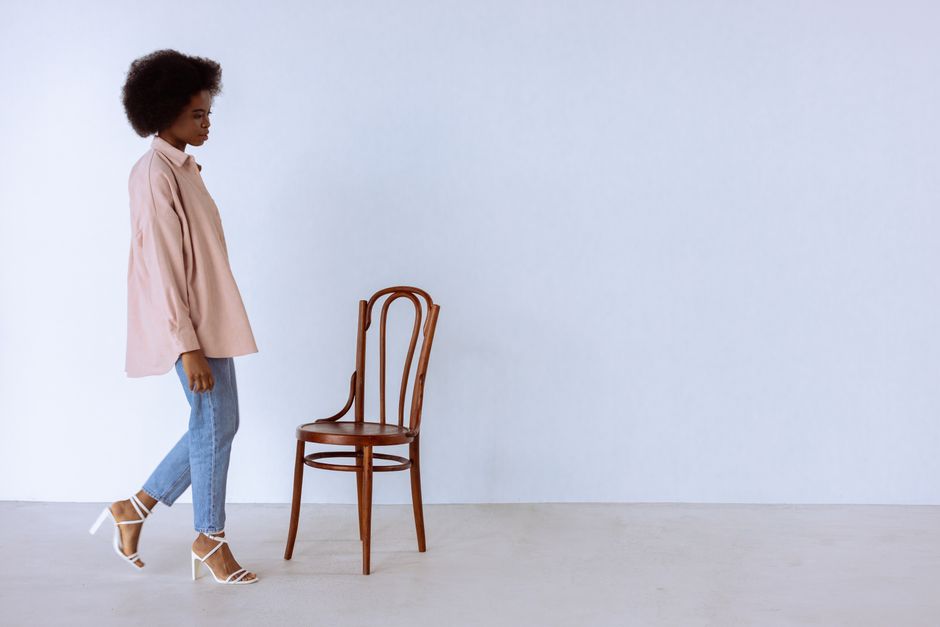
Can a small wardrobe become impractical? Yes. The most common error is treating “minimalist” as a reason to buy expensive neutral clothing without testing how the garments work together.
Why do outfits still feel repetitive?
Most repetitive capsules lack contrast, not quantity. Add variation through texture, proportion, and one controlled accent color. A cream knit with charcoal trousers reads differently from a white shirt with the same trousers, even when the silhouette stays simple. A belt, scarf, or small earring can also change the outfit without adding another major garment.
What should you do when the capsule does not fit your life?
Adjust the system to your calendar. A consultant who travels may need two wrinkle-resistant suits and fewer delicate tops. A hybrid worker may need more smart-casual knits and only one formal blazer. Someone who bikes to work needs weatherproof layers and shoes that can handle the commute. Do not force a ten-item wardrobe onto a life that requires different clothing for presentations, field visits, and social events.
Also budget for alterations. A $60 pair of trousers with a $20 hem can look more useful than a $180 pair with the wrong rise. Replace worn items one at a time, track how often each piece gets worn, and wait 30 days before filling a new gap. By the end of 2026, the strongest capsule wardrobes will be judged less by their small size than by how well they match real schedules, real movement, and real personal style.
Related Posts

Best Lululemon Joggers for Yoga, Travel, and Style
You are dressing for a morning yoga class, a long…

Top Athleisure Wear 2026: Fit and Outfit Guide
You have ten minutes before leaving for coffee, a school…
How to Style Wide-Leg Trousers for Business Casual Offices
Wide-leg trousers are not too relaxed for the office. The…