Many assume the “top” fashion influencers are simply those with the biggest follower counts. They believe these mega-accounts offer universal style wisdom, applicable to everyone. This is a common misconception, and it often leads to frustration. Chasing trends from someone whose lifestyle, body type, or budget doesn’t match yours is a waste of time and energy. Real value comes from finding your personal style guides, not just celebrity endorsements. The goal isn’t to mirror someone else’s closet; it’s to build a wardrobe that genuinely serves you. This guide shows you exactly how to do that, focusing on actionable steps to find influencers who truly fit your life.
Beyond Follower Counts: Defining “Top” for Your Style Goals
Forget the millions of followers. A fashion influencer’s true value isn’t measured in raw numbers. It’s about relevance to your specific needs. Thinking of someone like Chriselle Lim or Aimee Song, their large platforms offer broad appeal, showcasing various trends and high-end fashion. While inspiring, their content might not directly translate to your everyday. A “top” influencer for you is someone whose aesthetic, sizing, and lifestyle closely mirror or inspire your achievable goals. It’s less about their reach and more about their resonance.
Identifying Your Personal Style Niche
Before you even open Instagram, take five minutes. Write down three words describing your ideal style. Are you minimalist, bohemian, corporate chic, or streetwear focused? Think about your typical day. What do you wear? What do you want to wear? Do you prioritize comfort, sustainability, or luxury? Knowing your niche saves endless scrolling. For instance, if you prioritize minimalist, classic looks, an influencer like Brittany Bathgate provides far more direct inspiration than a maximalist trendsetter. This isn’t about limiting yourself, but about sharpening your focus.
Why Engagement Matters More Than Raw Numbers
An account with 50,000 engaged followers offering genuine advice often provides more useful content than one with 5 million followers who rarely interact. Look at the comments section. Do people ask specific questions about fit, fabric, or styling alternatives? Does the influencer respond thoughtfully? High engagement indicates a community built on trust and shared interest, not just passive consumption. For example, Remi Bader on TikTok built her platform on honest try-on hauls and relatable sizing experiences, fostering immense engagement because her audience feels seen and understood. This type of interaction is a clear sign of an influencer delivering real value.
The Micro-Influencer Advantage: Finding Authenticity and Niche Expertise

If you truly want practical, applicable fashion advice, micro-influencers are your secret weapon. These creators, typically with 10,000 to 100,000 followers, often focus on very specific niches. They don’t have large brand deals dictating every post. This allows for more authentic content, genuine reviews, and a deeper connection with their audience. They’re more likely to share exact sizing details, talk about real-world wearability, and even respond to DMs directly. It’s like getting advice from a stylish, knowledgeable friend who actually understands your specific challenges.
Consider a micro-influencer specializing in petite fashion. They aren’t just showing a trendy dress; they’re explaining how to tailor it, where to find similar styles that fit better off the rack, and what brands truly cater to smaller frames. This level of detail is invaluable. For anyone with specific body types, budget constraints, or a very particular aesthetic, a micro-influencer can become an indispensable resource, guiding purchasing decisions and styling choices with far more precision than a mega-star who generalizes for a mass audience.
Platforms for Discovering Niche Stylists
Instagram remains a powerhouse for visual discovery. Use specific hashtags like #petitefashion, #sustainablefashionblogger, #menswearstyle, or #curvyfashion. TikTok is excellent for quick, digestible styling tips and outfit ideas. Its algorithm is surprisingly good at finding niche content once you start engaging with it. YouTube offers longer-form content, perfect for in-depth reviews, capsule wardrobe planning, or styling tutorials. Don’t limit yourself to just one platform. A creator might offer short, inspiring clips on TikTok, then detailed breakdowns on YouTube, giving you a comprehensive view of their approach. For example, if you’re looking for unique menswear styling, searching Wisdom Kaye’s content across TikTok and Instagram gives you a full picture of his creative process and distinct aesthetic.
The Authenticity of Smaller Accounts
Smaller accounts often thrive on relatability. They are less curated, more transparent. They might show the same item styled multiple ways over time, demonstrating its versatility and longevity, rather than just a one-off campaign post. This approach cultivates trust. When an influencer consistently showcases items from accessible brands or highlights how to integrate new pieces into an existing wardrobe, it’s a strong indicator of practical, user-focused content. You’re getting genuine advice, not just a product placement. These creators often build their following on honest recommendations and a direct connection to their community, making their insights far more valuable for everyday styling challenges.
Navigating Fashion Content: A Step-by-Step Guide to Curating Your Feed
Your social media feed should be a source of inspiration and practical advice, not comparison or frustration. If you’re currently scrolling past endless aspirational content that doesn’t serve you, it’s time for a strategic cleanup. This process takes less than an hour and drastically improves your daily dose of fashion motivation.
-
Step 1: Audit Your Current Follows
Open your primary fashion-focused social media app. Go through your ‘following’ list. Ask yourself: Does this account genuinely inspire me? Is their content relevant to my personal style, budget, and lifestyle? Does it make me feel good or inadequate? Be ruthless. Unfollow accounts that trigger negative emotions or offer zero practical value. This isn’t personal; it’s about optimizing your digital space for positive growth. You wouldn’t keep clothes in your closet that don’t fit or make you feel good, so apply the same logic to your feed.
-
Step 2: Platform Discovery Tools
Every platform has powerful search and discovery features. On Instagram, tap the magnifying glass icon and explore suggested content based on your past interactions. Use specific keywords like “minimalist style over 30” or “sustainable denim reviews.” On TikTok, spend time on the ‘For You’ page, actively liking and saving videos that align with your new style goals. The more you interact with relevant content, the smarter the algorithm becomes at showing you what you actually want to see. Don’t just passively consume; actively engage with content that excites you.
-
Step 3: Filter for Relevant Aesthetics and Budgets
Once you start finding new accounts, pay close attention to their overall aesthetic and the price point of the items they feature. Does an influencer consistently highlight expensive designer pieces when your budget is more mid-range? If so, they might not be the best practical resource. Look for influencers who show a mix of high-low styling, or who explicitly talk about budget-friendly alternatives. Also, evaluate their body type. While inspiration can come from anywhere, finding creators with a similar physique can provide more realistic fitting and styling advice. The goal is to build a roster of influencers who operate within your reality, not just your dreams.
Influencer Archetypes: Who to Follow for What
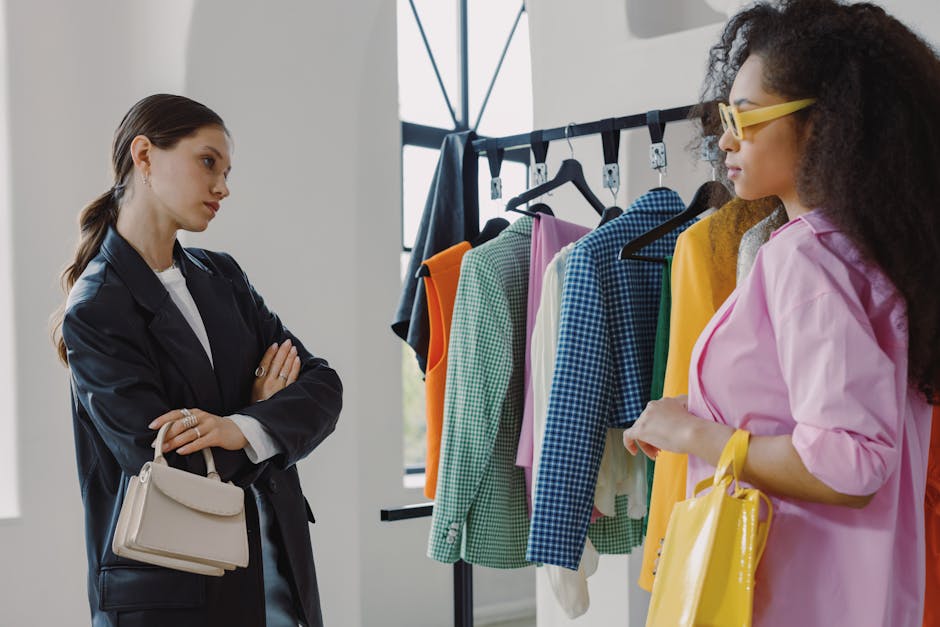
Not all fashion influencers are created equal, and their specialties vary widely. To build a truly useful resource list, you need to understand the different archetypes and what practical advice each offers. This isn’t about labeling; it’s about making informed choices for your specific needs. Understanding these categories helps you pinpoint exactly where to find the answers to your fashion dilemmas.
| Archetype | Core Focus | Best For When You Need… | Example Benefit |
|---|---|---|---|
| The High-Fashion Visionary | Avant-garde trends, luxury styling, conceptual looks. Often seen at fashion weeks. | Aspirational inspiration, understanding future trends, pushing style boundaries. | See how designers translate runway looks into wearable (or at least inspiring) outfits. |
| The Sustainable Style Advocate | Ethical brands, upcycling, capsule wardrobes, conscious consumption. | Guidance on eco-friendly fashion, responsible shopping, maximizing existing pieces. | Learn specific brands committed to sustainability and how to mend clothing. |
| The Everyday Outfit Creator | Practical daily looks, styling basics, versatile pieces, accessible brands. | Solutions for “what to wear today,” how to style a single item multiple ways. | Get clear, replicable outfit formulas for work, casual, or events. |
| The Body Positivity Champion | Styling for diverse body types, fit advice, confidence building. | Authentic try-ons, understanding how different cuts flatter various figures. | Discover brands that truly cater to a range of sizes and shapes with style. |
| The Niche Enthusiast | Hyper-specific styles (e.g., dark academia, vintage, specific subcultures). | Deep dives into a particular aesthetic, unique item sourcing, historical context. | Find rare pieces or learn how to perfectly execute a very specific, curated look. |
Each archetype brings unique value. For instance, if you’re trying to build a versatile work wardrobe, the Everyday Outfit Creator is your go-to. If you’re passionate about reducing your fashion footprint, the Sustainable Style Advocate offers invaluable guidance. The key is to select influencers whose primary focus aligns directly with your current style project or long-term goals. Don’t follow a High-Fashion Visionary hoping for a capsule wardrobe guide; you’ll be disappointed.
The Pitfalls of Blindly Following Trends
Here’s the plain truth: blindly adopting every trend an influencer showcases is a direct path to a wardrobe full of regrettable purchases and a style that feels inauthentic. Trends are fleeting. They often don’t suit everyone, nor do they always align with personal taste or lifestyle. You end up chasing a moving target, wasting money on items that don’t last and never truly integrate into your personal style. It’s a consumer trap.
How Do I Know If an Influencer’s Advice Is Actually Practical for Me?
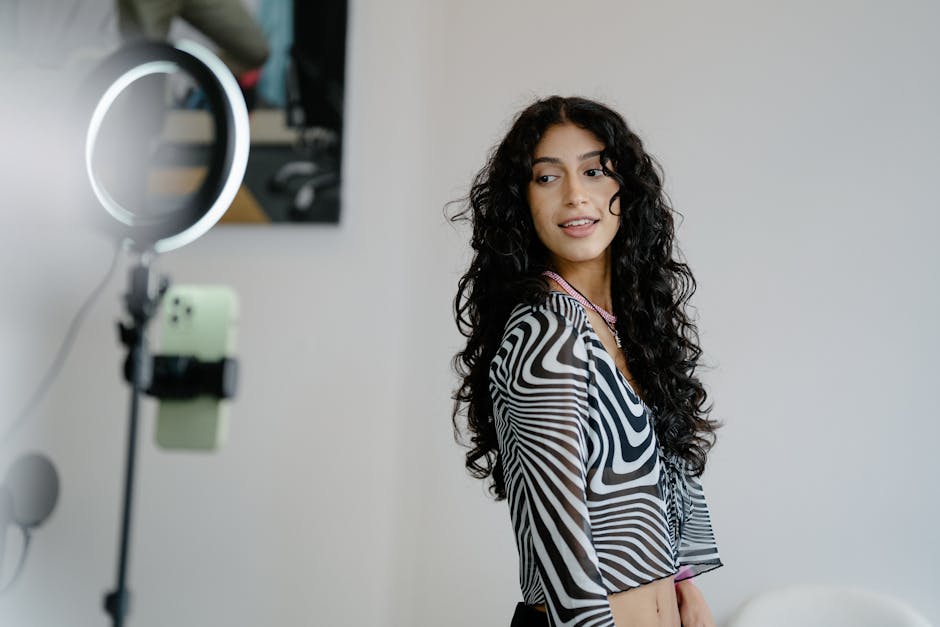
Identifying truly useful fashion influencers requires a critical eye. It’s not enough for an outfit to look good on their feed; it needs to be something you can actually incorporate into your life. The best influencers go beyond just showing pretty clothes; they provide context and actionable details. Think of them as your personal style consultants, but you get to choose who’s on your team based on their utility.
Do They Share Their Exact Measurements and Sizes?
This is crucial for online shopping. An influencer showcasing a pair of jeans, for example, is far more helpful if they state, “I’m 5’4″ and wearing a size 27; I typically size down in this brand.” Without this context, you’re guessing. Pay attention to creators who consistently provide height, weight, typical sizing, and whether an item runs true to size, small, or large. This level of detail empowers you to make informed decisions for your own body, minimizing returns and maximizing satisfaction.
Are Their Outfits Replicable on a Budget?
Many influencers showcase expensive items. That’s fine for inspiration. But for practical advice, look for those who regularly offer alternatives. Do they link to similar, more affordable versions? Do they style high-end pieces with budget-friendly basics? A true style guide helps you achieve a look without breaking the bank. An influencer who mixes designer finds with pieces from accessible brands like ZARA or H&M, and specifically points out how to create a similar aesthetic for less, is far more valuable than someone exclusively featuring luxury goods.
Do They Offer Styling Alternatives?
A single outfit post is just that: one outfit. The most useful influencers show versatility. They might present one skirt styled three different ways for three different occasions. Or they’ll explain how to transition a day look to night with just a few accessory changes. This demonstrates understanding of actual wardrobe building. It teaches you how to maximize your existing pieces and how to thoughtfully integrate new ones, rather than just buying an entire look head-to-toe. This is where the real education lies, transforming passive viewing into active learning.
Action Plan: Building Your Personalized Fashion Resource List
You’re ready to stop blindly scrolling and start curating. Building a personalized list of fashion influencers is an ongoing project, but one that pays dividends in confidence and style efficiency. Think of this as creating your own digital style bible, tailor-made for you. It’s about empowering yourself to make better fashion choices, not just follow someone else’s lead.
Phase 1: Identify Your Core Needs
Before you hit follow, clarify what you need help with. Do you struggle with finding workwear that feels modern? Are you trying to build a capsule wardrobe? Do you need inspiration for styling a specific item, like a leather jacket or wide-leg trousers? Be specific. Write down 3-5 core fashion challenges or goals you have right now. For example, “Find stylish outfits for business casual office” or “Learn how to incorporate more color into my neutral wardrobe.” This initial clarity will guide your search and help you filter out irrelevant content, ensuring every follow is intentional.
Phase 2: Create a “Watch List”
As you explore platforms and use those niche hashtags, start a private list (a note on your phone or a private Instagram collection works) of potential influencers. Don’t follow them immediately. Observe their content for at least a week. Do they consistently post relevant advice? Do they engage with their audience? Do their tips feel genuinely practical for your life? Look for influencers who align with your identified needs from Phase 1. For example, if your goal is sustainable fashion, watch for a week to see if they consistently highlight ethical brands or offer genuine tips on mending clothes, rather than just one-off sponsored posts.
Phase 3: Implement and Adapt
Once you’ve vetted your watch list, hit that follow button. Actively engage with their content: like, save, and comment on posts that are particularly helpful. The more you interact, the better your feed becomes. Regularly review your followed accounts (every few months). As your style evolves, so too should your resource list. Unfollow those who no longer serve you; add new ones who do. Your style is dynamic, and your curated feed should reflect that growth. The ultimate goal is a digital space that consistently provides inspiration and practical guidance, making getting dressed a joyful and confident experience, rather than a frustrating one.
Remember that initial misconception about “top” fashion influencers? It’s not about the biggest names or the most followers. It’s about finding those specific, relatable voices who genuinely understand your style journey. By actively curating your feed, you transform social media from a source of endless comparison into a powerful, personalized style guide, perfectly tailored to help you build the wardrobe you truly desire.