My first useful statistic was personal: after twelve months, I had bought 18 garments, but only two were new. The surprise was not the money I saved. It was how much less time I spent staring at clothes I did not need.
Moving to a secondhand-only wardrobe sounds simple until you need a specific black blazer, a pair of jeans that fit, or shoes for a formal event next week. This lifestyle requires more planning than walking into a shop and choosing a size. It also rewards patience, accurate measurements, and a willingness to leave an item behind. Here is the system that made the change practical, including the mistakes that almost pushed me back to regular shopping.
Why a secondhand-only wardrobe changed my shopping habits
The real problem was never a lack of clothing. My wardrobe already held enough fabric for several different versions of my life. The problem was poor selection. I kept buying items that looked useful in isolation but failed beside the clothes I already owned. Secondhand shopping forced me to solve that problem before spending money.
I stopped treating low prices as permission to buy
A $12 skirt still costs $12 when it hangs unworn. Low prices make weak decisions feel harmless, but five weak decisions create a crowded closet and a smaller bank balance. I began asking three questions before I bought anything: Can I name three outfits for it? Does it fill a real gap? Would I choose it at full price if the discount disappeared? The third question exposed many impulse purchases.
Wearability became more important than novelty
New collections train shoppers to value freshness. Secondhand racks offer a different lesson because they contain many styles from different years at the same time. I started looking for repeatable shapes, useful colors, and fabrics that could handle normal washing. A plain wool cardigan with no exciting label often beat a dramatic statement piece because I could wear it to work, on weekends, and while traveling.
The wardrobe became a record of decisions
Each purchase now has a reason. I keep a simple note on my phone with the item, price, fabric, date bought, and the outfits that made me keep it. That record showed me that my best purchases were not the rare designer finds. They were durable basics that solved a specific problem. The secondhand-only rule worked because it slowed the moment between wanting something and owning it.
How to set rules before you start thrifting
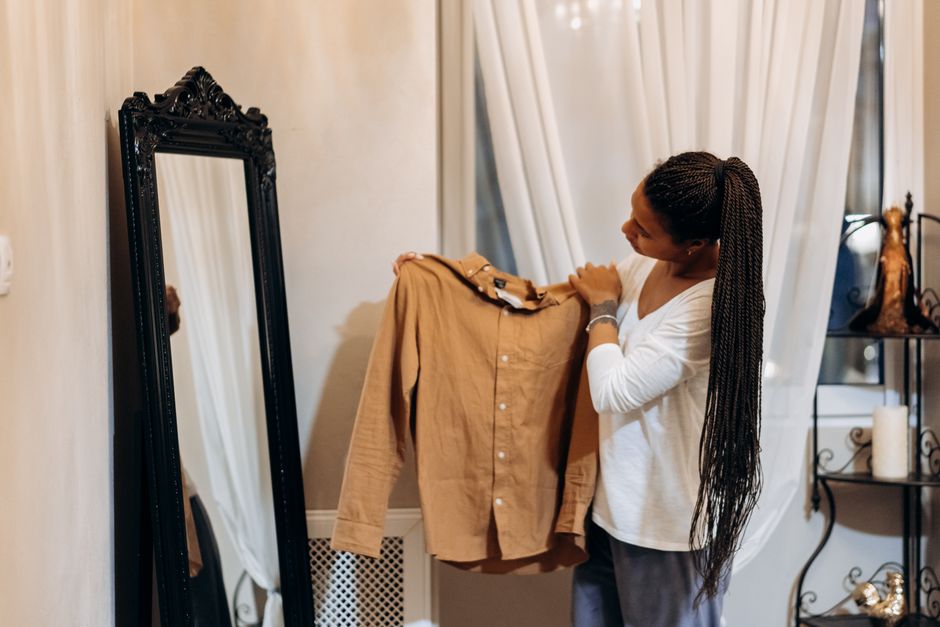
A secondhand wardrobe becomes frustrating when the rules stay vague. ‘Buy less’ sounds responsible, but it does not tell you what to do when you find a beautiful jacket in the wrong size. I wrote down a small set of limits before visiting stores and resale apps.
Use this five-step buying filter
- Start with a gap. Write down the exact item you need, such as a navy cardigan, straight-leg jeans, or weatherproof walking shoes.
- Set a fabric standard. Choose the materials that suit your climate and care routine. I prioritized cotton, linen, wool, leather, and durable recycled synthetics.
- Measure a similar item. Compare chest, waist, rise, inseam, shoulder, and sleeve measurements instead of trusting the label.
- Set a maximum price. A bargain stops being a bargain when repair costs push it above a better option.
- Wait before buying unusual pieces. I left statement items in my saved folder for 48 hours. Most lost their appeal.
Separate wardrobe rules from moral rules
Buying secondhand does not make every purchase wise. A damaged fast-fashion top still creates clutter, and a poor-quality used item still needs replacement. I allowed exceptions for underwear, socks, swimwear, and safety equipment because hygiene and performance mattered more than keeping a perfect label on my shopping policy. Clear exceptions prevented the rule from becoming an exhausting test of personal virtue.
Which secondhand pieces deliver the best value
Some categories reward resale shopping more than others. Prices vary by city, condition, season, and seller, so treat the ranges below as working budgets rather than fixed market quotes. I prefer pieces with clear material information, common sizing, and enough construction detail to inspect before paying.
Useful examples and realistic resale budgets
| Item | Details to check | Typical used price | My verdict |
|---|---|---|---|
| Levi’s 501 Original jeans | 100% cotton versions, waist, inseam, crotch wear | $25-$60 | Best everyday denim value |
| Patagonia Better Sweater | Recycled polyester fleece, zipper, cuffs, pilling | $45-$90 | Best casual layer for frequent wear |
| Dr. Martens 1460 boots | Leather cracks, heel wear, sole condition, size | $70-$140 | Worth buying used only in excellent condition |
| Eileen Fisher washable silk blouse | Silk label, stains at collar, loose seams | $40-$100 | Best polished secondhand blouse |
| Coach Tabby 26 bag | Leather, hardware, interior lining, authenticity | $120-$250 | Strong value when condition and origin are clear |
Price matters less than cost per wear
A $35 pair of jeans worn twice costs $17.50 per wear. A $90 pair worn 45 times costs $2 per wear. That calculation changed how I viewed sturdy secondhand items. I picked the Levi’s 501 Original for everyday use because replacement parts, tailoring, and styling ideas are easy to find. For polished work clothes, the Eileen Fisher blouse earned its higher resale price because it packed flat, layered well, and looked intentional without much styling.
My clear winner for casual layering is the Patagonia Better Sweater. It is not the cheapest fleece on a thrift rack, but a clean used one can handle years of regular outfits. I would skip a used Dr. Martens 1460 with a badly worn sole because resoling can erase the savings.
The short verdict: patience beats thrift-store luck
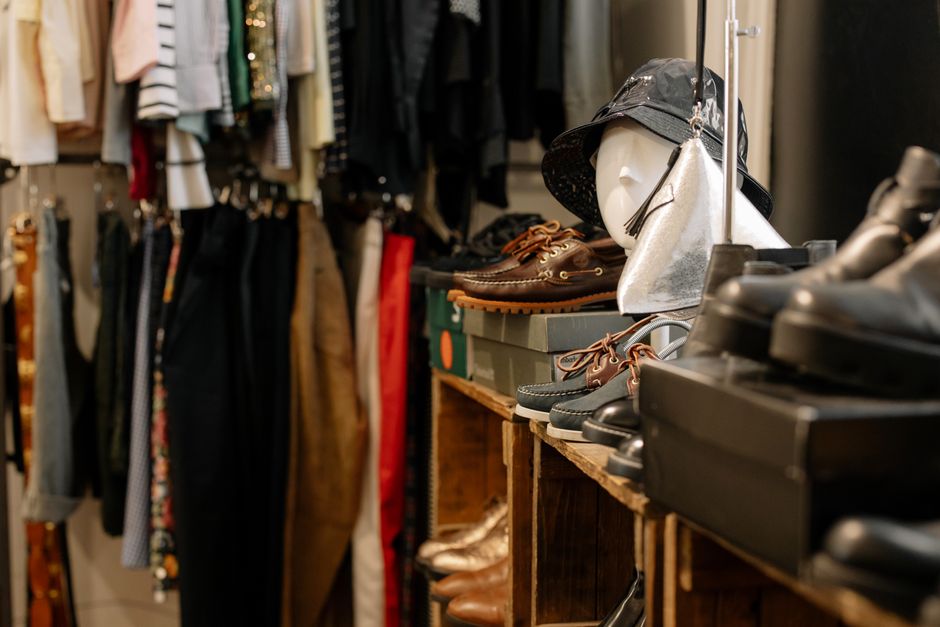
My strongest opinion is simple: do not build a secondhand-only wardrobe by chasing rare finds. Build it by repeating a small buying process until the right items appear, because a wardrobe full of exciting one-off pieces still leaves you with nothing to wear on an ordinary Tuesday.
The best secondhand shopper knows when to walk away. A flattering color cannot repair a tight armhole, a famous label cannot remove a permanent odor, and a low price cannot make dry-clean-only care fit a busy schedule. I would rather wear the same reliable trousers twice a week than own six unusual pairs that need special handling.
What patience looks like in practice
Keep a list of wanted items, save searches with exact measurements, and check them once or twice a week. Do not scroll for hours. Give each category a deadline, then decide if you can wait longer or buy a new item from a responsible source. The point is control, not endless searching.
When secondhand is the wrong choice
Buy new when an item protects your health, safety, or comfort and you cannot verify its condition. That includes climbing gear, motorcycle helmets, worn-out running shoes, and anything with unknown contamination. A secondhand-only wardrobe should reduce waste and improve your choices; it should not turn sensible boundaries into a contest.
Five mistakes that made my wardrobe harder to wear
My early mistakes were predictable, but each one taught me something useful. The most expensive lessons came from pieces that looked excellent for five minutes in a shop and failed during normal life.
Use this mistake checklist before paying
- Ignoring the fabric label: A beautiful jacket made from a fragile blend may need care you will not provide. Check fiber content and washing instructions first.
- Buying by labeled size: Vintage sizing can differ by several inches from current sizing. Measure the garment flat and compare it with something you already wear.
- Overlooking hidden damage: Inspect underarms, crotch seams, hems, pocket corners, bag linings, and shoe soles. Bright shop lighting can hide thinning fabric.
- Confusing rarity with usefulness: A rare print still needs a place in your weekly rotation. If it works with only one outfit, leave it.
- Forgetting alteration costs: A $20 coat may need $60 in tailoring. Add repair and cleaning costs before comparing prices.
- Buying a replacement too soon: Search for the right item for two weeks before settling for a near match. Near matches often become permanent disappointments.
Inspect online listings with the same care
Ask for measurements, close-up photos, fabric details, and photos taken in natural light. Read the return policy before you pay. I avoid listings that use only stock photos, refuse to show labels, or describe major defects with soft words such as ‘loved’ and ‘well worn.’ Honest sellers make decisions easier.
Secondhand wardrobe questions people ask
How many clothes do I need to start?
Start with enough clothing for seven ordinary days, not a fantasy version of your schedule. My useful base included two pairs of trousers, one pair of jeans, five tops, two layers, one dress, one warm coat, and shoes for daily walking and formal occasions. The exact number matters less than the number of complete outfits. Count combinations, not hangers.
How do I make thrifted clothes look current?
Fit does more work than trend labels. Hem trousers to the shoes you actually wear, replace tired buttons, steam wrinkled fabric, and remove decorative details you dislike. A clean silhouette with modern proportions usually looks fresher than a trend-heavy item bought new. I also use one current accessory with older clothing, but I do not rebuild an outfit around a seasonal microtrend.
Is secondhand clothing really cheaper?
It can be, but only when you compare usable cost. Add tailoring, cleaning, shipping, platform fees, and likely repair bills. A $15 sweater with moth holes is not cheaper than a $45 sweater in excellent condition. My best savings came from avoiding unnecessary purchases, not from finding the lowest sticker price.
What should beginners buy first?
Buy the category you already understand. If you know your ideal jeans rise and inseam, start with denim. If you rarely wear blazers, do not begin by hunting a perfect vintage blazer. Familiar categories make fit checks easier and reduce expensive guessing.
How I keep the wardrobe secondhand over time
The hardest part was not the first month. It was staying patient after a lost parcel, a bad fit, or three visits with nothing worth buying. I kept the system alive by separating maintenance from shopping. Once a month, I checked buttons, seams, hems, soles, and stains. Small repairs protected the items I already owned and reduced the urge to replace them.
Follow a simple replacement cycle
- Repair the item if the fabric and construction still deserve another season.
- Photograph the gap and record the measurements of the item you need.
- Search local thrift shops, consignment stores, resale platforms, and clothing swaps.
- Compare the total cost, including cleaning, tailoring, shipping, and repairs.
- Buy only after the item passes a real-outfit test in your head.
Build a wardrobe that can absorb real life
A strict rule cannot predict every change. My work became more formal, my shoe size changed after an injury, and one favorite coat stopped fitting comfortably over sweaters. I adjusted the wardrobe without abandoning the principle. I sold pieces that no longer worked, accepted practical replacements, and kept the focus on extending clothing life rather than proving perfect consistency.
The most important lesson from my secondhand-only wardrobe is that better shopping starts with a better definition of enough: buy used when it serves the life you actually live, and leave it behind when the price, fit, condition, or care demands do not make sense.
Related Posts
Milk Makeup Lip & Cheek Review
I received these Milk Makeup samples well before Christmas and…

How to Layer Necklaces for a Polished Look
Want three necklaces to look intentional instead of tangled? Start…
15-Item Wardrobe Experiment: What a Month Taught Me
On the fourth Monday, I stood in front of a…