You open your closet on a mild April morning and find the usual problem: winter clothes feel too heavy, but summer pieces look premature. The useful spring 2026 fashion trends solve that gap with lighter layers, longer shorts, sharper color, and shoes that do not look like gym equipment. I am judging each trend by a simple test: can you wear it at least three ways, in ordinary weather, without buying a whole new wardrobe?
Which Spring Trends Are Worth the Closet Space?
The best trend is not the one that dominates a runway photo. It is the one that fixes a real dressing problem. Spring clothing needs to handle temperature swings, indoor heating, sudden rain, and long days that start cool and end warm. A trend earns space when it works with pieces you already own.
The three-wear test
Before buying anything, picture three outfits using the same item. A jacket should work with jeans, a skirt, and relaxed trousers. Shorts should work with a shirt, a knit, and a simple tank under a blazer. If you can only imagine one dramatic outfit, the item is probably a costume purchase rather than a wardrobe upgrade.
The spring trend scorecard
| Trend | Best use | Buy if | Skip if |
|---|---|---|---|
| Soft utility | Cool mornings | You need a light jacket | You dislike roomy layers |
| Sheer layers | Evening outfits | You like controlled contrast | You want full coverage |
| Bermuda shorts | Warm workdays | You prefer longer hems | You dislike volume at the knee |
| Butter yellow | Easy color | You wear cream and denim | Warm yellow washes you out |
| Slim sneakers | Daily walking | You want a lighter shoe shape | You need maximum cushioning |
| Narrow belts | Waist definition | Your outfits look shapeless | You prefer a loose silhouette |
| Column dressing | Simple polish | You want fewer outfit decisions | You need strong color contrast |
Bottom Line: Soft utility and Bermuda shorts offer the most practical value. They change the shape of an outfit without forcing you into a new aesthetic from head to toe.
1. Soft Utility Makes Transitional Dressing Easier
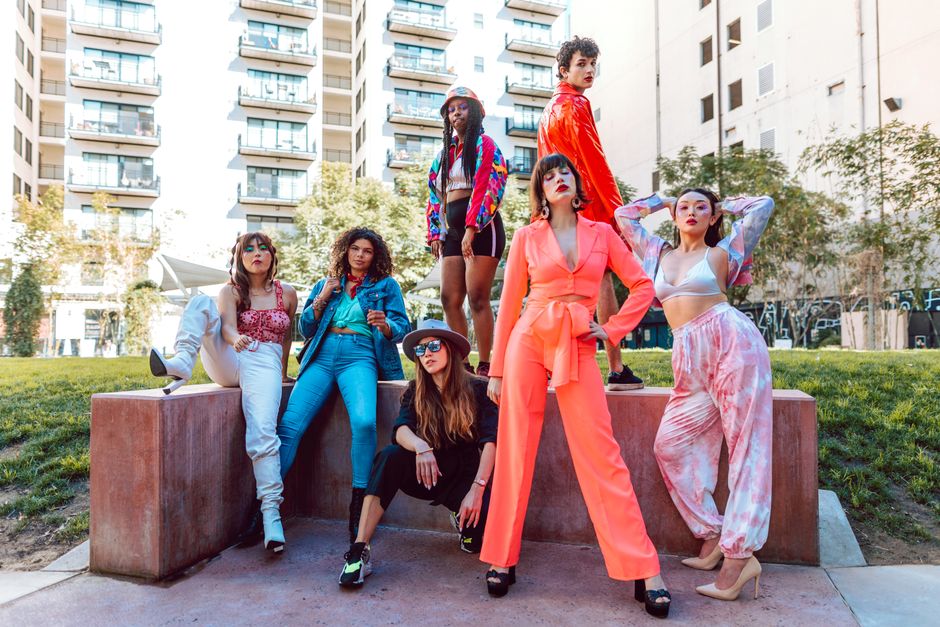
Verdict: Soft utility is the strongest spring trend for people who want practical clothes that still look polished. The key is choosing clean lines and a lighter fabric instead of bulky cargo details.
Choose one useful layer
A cotton-blend field jacket, chore coat, or cropped utility jacket handles the awkward weeks between winter and summer. Look for two-way zippers, adjustable cuffs, and pockets that sit flat. The Uniqlo Cotton Blend Utility Jacket, usually listed near $79.90, is a sensible entry point because its simple shape works over a T-shirt or a fine sweater. For a dressier version, Mango’s Suede-Effect Jacket, often around $119.99, adds texture without the weight of a winter coat.
Avoid the costume effect
The common mistake is stacking every utility signal at once: cargo pants, combat boots, a web belt, and a military green jacket. That outfit reads like a uniform. Keep one functional piece and make the rest clean. Wear a field jacket with straight-leg denim and loafers, or pair cargo trousers with a fitted knit and simple flats.
- Choose olive, stone, navy, or washed black for easy matching.
- Keep pocket details to one garment.
- Check sleeve length before buying; cuffs should stop at the wrist bone.
- Skip oversized utility jackets if your wardrobe already has wide trousers and large bags.
For most wardrobes, the jacket is the better buy than utility trousers because it adds warmth and structure across more months.
2. Sheer Layers Need an Opaque Anchor
Verdict: Sheer dressing works best as a controlled glimpse, not as a full outfit built around transparency. The reliable formula is one translucent layer over one clearly opaque base.
Build the outfit from the inside out
Start with a base that feels complete on its own: a camisole with a high neckline, a fitted tank, a slip dress, or a matching bra-and-top set that provides enough coverage for the setting. Add a sheer blouse, mesh long-sleeve top, or translucent skirt over it. The base should either match the sheer layer or create a deliberate contrast. Black over black looks sleek; white over a skin-tone base looks softer; a colored layer over a neutral base feels more casual.
Know when to leave the trend alone
Sheer fabric becomes difficult when the garment pulls across the bust, clings to the stomach, or needs constant adjustment. It also loses its appeal when the underlayer has too many straps, logos, or seams. For daytime, pair a sheer top with high-waisted trousers and a structured jacket. For evening, use a sheer skirt over a short slip with a longer blazer.
- Check the garment in daylight before removing the tag.
- Try sitting, bending, and lifting your arms.
- Use matte underlayers when the sheer fabric already has shine.
- Choose one transparent piece per outfit.
People who want modest, low-maintenance outfits should skip sheer skirts and try a sheer sleeve or neckline instead. That keeps the visual effect while reducing fit problems.
3. Bermuda Shorts Replace the Tiny Hem
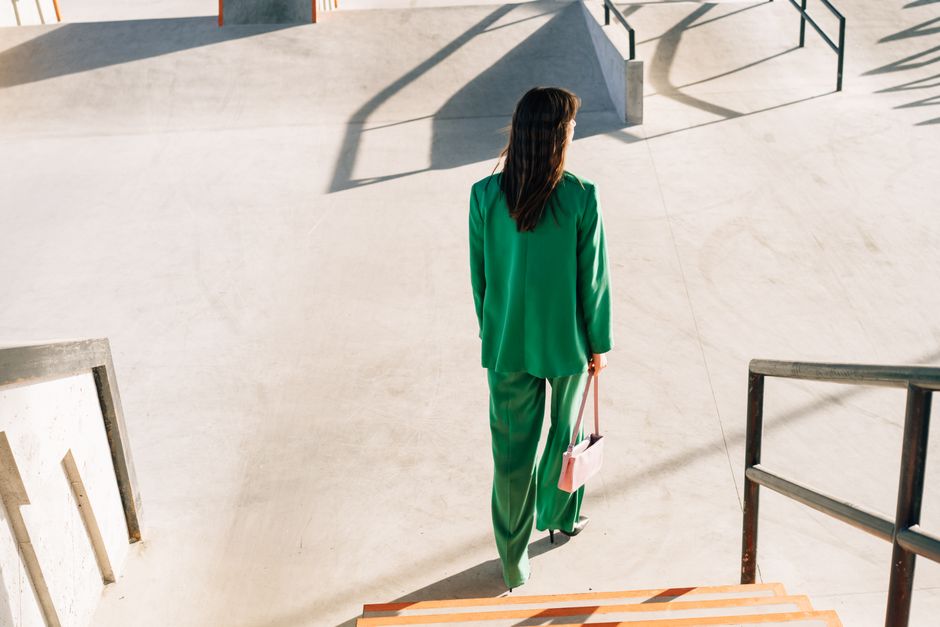
Verdict: Bermuda shorts are the most useful bottom trend of the season for anyone who wants warm-weather ease without a very short hem. The best versions end several inches above or at the knee and have enough structure to hold their shape.
Find the right length and rise
A nine-inch inseam is a strong starting point for denim Bermuda shorts. It gives coverage while leaving enough leg visible for flat shoes. J.Crew’s 9-inch Denim Bermuda Short, often priced around $89.50, is a practical reference point for the shape. For a cleaner outfit, choose tailored shorts with a mid-rise or high-rise waist and a flat front. The waistband should sit securely without digging in when you sit.
Balance the extra fabric
Long shorts can make an outfit look heavy when every other piece is loose. Balance them with a tucked shirt, a fitted ribbed tee, or a cropped jacket that ends near the waist. A slim shoe helps keep the lower half from looking crowded, but a low block heel also works for office outfits.
Try this formula: denim Bermuda shorts, a crisp button-down, a narrow leather belt, and slim sneakers. For a more polished version, swap the denim for tailored twill, add a lightweight blazer, and choose loafers. Avoid pairing knee-length shorts with a long oversized cardigan unless the cardigan is open and the waist remains visible.
Do not buy Bermudas simply because they are trending if you dislike fabric near the knee. A straight-leg cropped trouser creates a similar relaxed proportion with less volume. For everyone else, Bermuda shorts are a better spring investment than micro-shorts because they work for errands, casual offices, and travel days.
4. Butter Yellow Brings Color to Neutral Outfits
Verdict: Butter yellow is the easiest major color trend to wear because it behaves more like a soft neutral than a loud accent. It looks especially convincing with denim, chocolate brown, navy, white, and gray.
Use color where it will not overwhelm you
If bright color near your face feels difficult, start with a skirt, cardigan, shoe, or small accessory. A butter-yellow knit with medium-wash jeans gives the outfit a clear spring signal without looking theatrical. A yellow shirt under a navy blazer feels sharper and more work-ready. The safest color match is butter yellow with cream, but too much pale color can look flat, so add brown leather or dark denim for contrast.
Pair soft yellow with one sharper shade
Spring 2026 also favors stronger red accents, and the two colors can work together when one stays small. Try a butter-yellow sweater with a red flat, red belt, or red scarf. Do not combine a yellow top, red trousers, and a bright bag unless you want a high-impact look. One soft shade plus one clear accent is easier to repeat.
The main failure mode is buying a color that looks good on a product page but clashes with your existing closet. Before purchasing, hold the item beside three outfits you already wear. If it only works with white, it is not versatile enough. For a first purchase, choose a butter-yellow top rather than trousers; tops give more outfit options and are easier to replace when color fatigue sets in.
5–7. Slim Sneakers, Narrow Belts, and Column Dressing
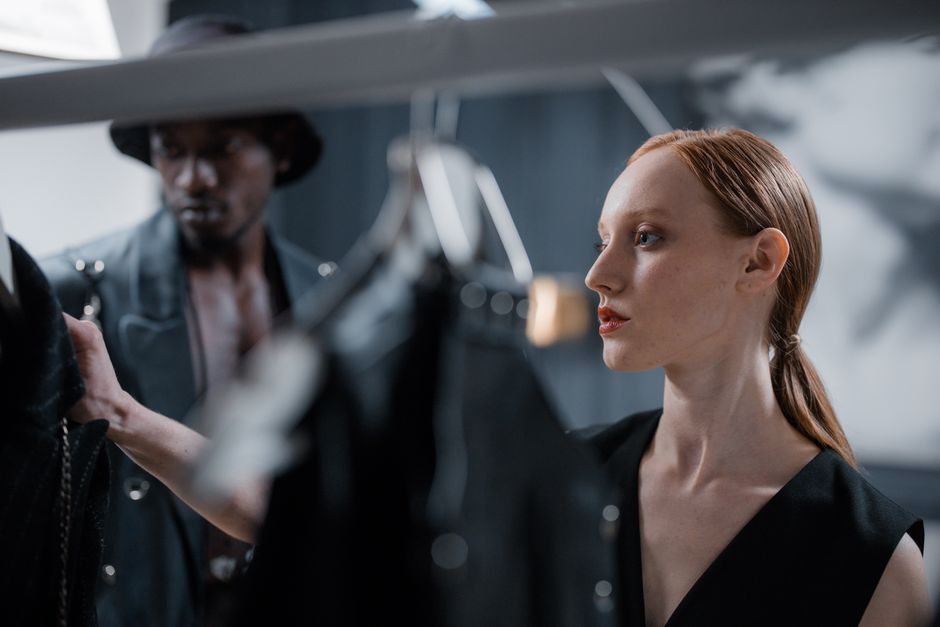
Verdict: These three smaller shifts make the biggest difference to everyday outfits. Slim sneakers lighten wide trousers, narrow belts restore shape without looking severe, and column dressing creates polish with fewer pieces.
Are slim sneakers replacing chunky trainers?
They are not replacing them completely, but they offer a cleaner proportion for spring clothes. The adidas SL 72 OG, usually listed at $100, has a low-profile retro shape that works with straight jeans, Bermuda shorts, and long skirts. The New Balance 327, also commonly priced near $100, gives a little more visual lift while keeping the sole relatively streamlined. Choose adidas for a sharper, flatter look; choose New Balance when you want more cushioning and a stronger contrast upper.
How should a narrow belt be worn?
Use a belt between 0.75 and 1 inch wide with high-rise trousers, jeans, or a relaxed shirt worn open over a fitted tank. A narrow belt defines the waist without turning the outfit into an hourglass costume. Avoid placing it over thick sweaters unless the belt has enough room for the extra fabric. If the belt keeps twisting, the waist is probably too loose or the leather is too soft.
What is column dressing?
Column dressing means keeping the main outfit in one close color family, such as an ivory top with cream trousers or a charcoal shirt with gray jeans. The long visual line makes simple clothes look intentional. Add contrast through shoes, a belt, or texture rather than a second loud color. This is the best option for readers who want a polished outfit quickly.
Do not buy slim sneakers if you need serious arch support or spend all day standing; a cushioned walking shoe is the smarter choice. Skip narrow belts if you prefer a relaxed waist. Bottom Line: For the broadest payoff, start with slim sneakers, then add one belt and test column dressing with clothes already in your closet. These details point toward a spring wardrobe that feels lighter, more flexible, and less dependent on short-lived runway spectacle.
Related Posts

Casual Korean Men’s Style: 5 Rules for Clean Outfits
Why Korean casual style looks balanced instead of sloppy The…
Huda Beauty Easy Blur Foundation Review
[unpaid/sample/affiliate/ad] I completely rejected the idea of ‘baking’ as a…
Inclusive Sizing in Fashion Makes Clothes Work Better
A size 10 at one fashion brand can fit like…