What wardrobe essentials actually need to do
The best wardrobe essentials are not the clothes that appear most often in style roundups. They are the pieces that solve repeated dressing problems: looking presentable quickly, handling changes in weather, and working with the clothes already in your closet. A navy overshirt that works with jeans, chinos, and tailored trousers has more value than a dramatic jacket that only suits one outfit.
Start with repeat wear, not status
Build around your real week. If you work in a casual office, begin with clean trousers, plain knitwear, an Oxford shirt, and versatile shoes. If your life involves commuting, add a weather-resistant outer layer before buying a second blazer. A useful item should earn at least 20 wears in its first season. That simple test cuts through brand hype.
Use a three-color base
Choose two neutrals and one supporting color. Navy with grey and olive gives you more combinations than a closet full of black, white, and random seasonal shades. Keep patterns limited to one visible item at a time. A checked overshirt can work, but it should sit over a plain T-shirt and beside solid trousers. Versatility is a design feature, not a vague compliment.
GQ-style lists often focus on recognizable pieces. The smarter approach is to ask how each item connects to your existing clothes. An essential is successful when it reduces morning decisions without making every outfit look identical.
Which essentials deserve the first share of your budget?

Spend first on the items that touch your body, shape your silhouette, or protect several cheaper layers. That usually means trousers, shoes, and an outer layer. Shirts and T-shirts are easier to replace, so they should not absorb the entire budget.
A practical order of purchase
| Priority | Wardrobe role | Useful target | Why it comes first |
|---|---|---|---|
| 1 | Everyday trousers | 1 dark straight jean and 1 mid-grey trouser | They anchor most outfits |
| 2 | Daily shoes | Leather sneaker or loafer with a firm sole | Shoes change the formality of every look |
| 3 | Layering piece | Navy cardigan, overshirt, or crewneck | Adds warmth and structure |
| 4 | Weather layer | Short jacket with room for knitwear | Protects the whole outfit |
| 5 | Shirts and tees | Three plain tees and two collared shirts | Easy to rotate and replace |
Current reference prices show the spread clearly. The UNIQLO Oxford Slim Shirt sits around $49.90, while the Levi’s 501 Original is often listed near $79.50 before promotions. The G.H. Bass Larson Weejuns has a regular US price of $195, and the Barbour Bedale Waxed Jacket lists at $425. Prices change, but the order still matters: a $195 loafer cannot rescue trousers that fit badly.
Bottom Line: buy the silhouette that supports the most outfits first. For most beginners, that means trousers and shoes before a statement coat.
How should an essential garment fit?
Fit matters more than label prestige. A modest shirt with the right shoulder width looks sharper than an expensive shirt with a collapsing collar and extra fabric around the waist. Use measurements and movement tests instead of trusting size names, because a medium from one brand may fit like a large from another.
Check the five pressure points
- Shoulders: the seam should finish close to the end of your shoulder.
- Collar: you should fit one or two fingers between your neck and the collar.
- Chest: buttons should lie flat when you raise both arms.
- Waist: trousers should stay up without a tight belt.
- Hem: jeans should meet the shoe with a small break, not a pile of fabric.
Test the garment in motion
Walk, sit, reach forward, and lift your arms. If the back pulls across the shoulders, sizing up may help, but the sleeves could become too long. If the waist needs major tailoring, choose another cut. Alterations can shorten sleeves, adjust hems, and refine a waistband. They cannot repair narrow shoulders, a badly placed armhole, or a rise that feels wrong.
The safest essential is slightly easy rather than skin-tight. A relaxed Oxford shirt can layer over a T-shirt. A straight jean can work with sneakers or boots. Extreme slim and extreme oversized cuts narrow your options quickly. Buy the fit you can move in, then use tailoring for small corrections.
Four pieces that earn their place

My strongest recommendation is to buy fewer pieces with clear jobs. A wardrobe does not become useful because it contains every classic. It becomes useful when each classic fits your climate, routine, and proportions.
UNIQLO Oxford Slim Shirt
At about $49.90, the UNIQLO Oxford Slim Shirt is the sensible first collared shirt for a casual wardrobe. The cotton Oxford texture handles jeans, chinos, and a casual jacket. Choose white or pale blue, and check that the collar still looks neat after the top button is open. Do not buy the slim version if the chest pulls when you reach forward; the brand’s regular or oversized cuts may serve you better.
Levi’s 501 Original Jeans
The Levi’s 501 Original, commonly listed around $79.50, remains a strong anchor because its straight leg and button fly do not lock you into one trend. Dark indigo is the best first wash. Avoid heavy distressing, cropped hems, and exaggerated tapering until the rest of your closet is stable. For a shorter frame, a clean hem or small alteration will look better than excess stacking.
G.H. Bass Larson Weejuns and Barbour Bedale
The G.H. Bass Larson Weejuns at $195 bring a polished step up from sneakers, with handsewn construction, resoleable design, and regular and wide options. They are the best choice for smart-casual outfits, but not for long walks on rough pavement. The Barbour Bedale Waxed Jacket costs about $425 and uses 6-ounce Sylkoil waxed cotton, with a shorter relaxed cut and room for layers. It is a strong wet-weather style piece, but do not buy it for hot climates or if you will never maintain waxed cotton.
Bottom Line: the UNIQLO shirt wins for value, the Levi’s 501 wins for daily range, the Larson wins for smart-casual footwear, and the Bedale wins as a durable outer layer.
What should you skip when building the closet?
Q&A sections are useful because most wardrobe mistakes come from buying attractive items at the wrong time. These answers keep the essentials list grounded in actual use rather than magazine fantasy.
Should you buy a full suit first?
Only if your work or events require one. Otherwise, buy a navy blazer and grey trousers separately. They create more combinations and can be worn apart. A cheap suit that fits poorly is not a bargain, because correcting the shoulders and jacket length can cost more than the suit itself.
Do you need several white T-shirts?
You need enough for a rotation, not a drawer full of identical cotton. Start with three, wash them according to the care label, and replace the one that loses its shape. Look for a collar that lies flat, a body that does not cling, and fabric heavy enough to avoid transparency. A $20 to $35 shirt with stable sizing can beat a $90 logo tee.
When should you avoid a heritage jacket?
Avoid the Barbour Bedale if your climate is hot and humid, your commute is mostly indoors, or you dislike garment maintenance. Choose a lighter cotton chore jacket or a washable nylon shell instead. Do not confuse a famous origin story with personal usefulness. The right essential is the item you will actually reach for, not the one that looks impressive on a product page.
Other common failures include buying shoes before measuring both feet, choosing trousers by waist number alone, and purchasing seasonal colors before owning dependable neutrals. These mistakes make a closet look full while leaving the wearer with few complete outfits.
How to assemble a smaller wardrobe that still feels personal
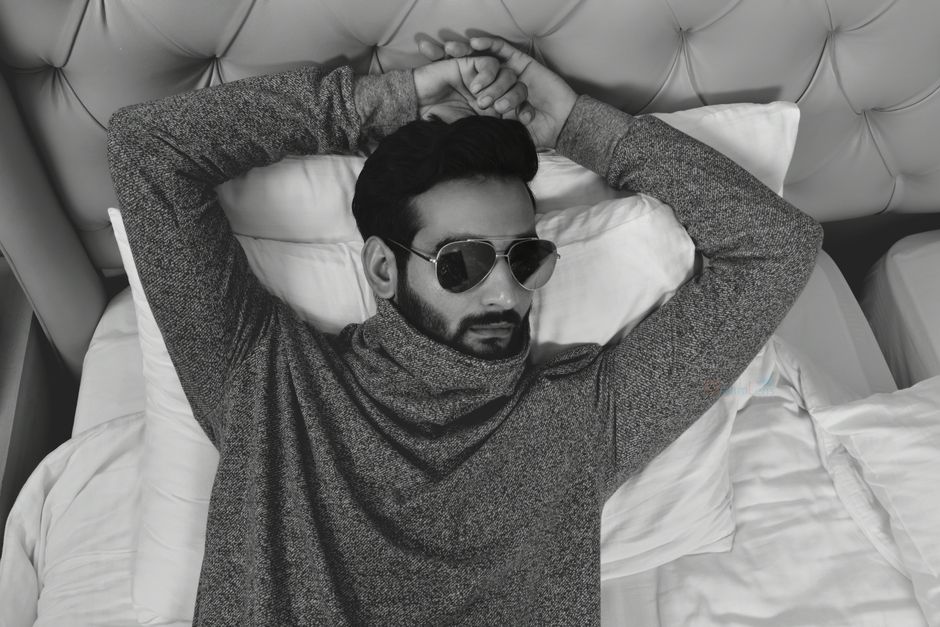
A practical starter wardrobe can stay compact without becoming bland. Begin with a weekly outfit map: two casual looks, two work-ready looks, one weather-proof combination, and one outfit for dinner or an event. Repeat the base pieces, then change texture, footwear, or one color. Personal style comes from those controlled choices.
A six-outfit starting grid
| Use case | Base outfit | One change that shifts the mood |
|---|---|---|
| Errands | Plain tee, Levi’s 501, clean sneaker | Add an overshirt |
| Casual office | UNIQLO Oxford, grey trousers, loafers | Swap in a fine knit |
| Dinner | Dark jeans, knit polo, G.H. Bass Larson | Add a simple watch |
| Rainy day | Oxford shirt, knitwear, Barbour Bedale | Use a lighter base layer |
| Warm weekend | Breathable tee, straight trousers, canvas shoes | Choose a textured belt |
| Informal event | Navy jacket, pale shirt, dark trousers | Change loafers for derbies |
Keep accessories quiet at first: one leather belt, one everyday watch, and a bag that fits your daily load. The goal is not a uniform. It is a dependable base with room for personality through color, texture, and small details.
The buying rule that prevents clutter
Before purchasing, name three outfits the item completes and one situation where it will fail. If you cannot do that, wait. The test filters out impulse buys and makes room for pieces that work across seasons.
Bottom Line: the best GQ-inspired wardrobe is a measured system: neutral foundations, clear fit checks, sensible spending, and a few personal accents. Buy the Levi’s 501 for everyday range, the UNIQLO Oxford for low-cost polish, the Larson for smart-casual footwear, and the Bedale only when its weather protection suits your life.
Related Posts

How to Choose the Right Belt to Cinch Your Waist
Your dress hangs straight from shoulder to hem, but the…
What Years of Wear Taught Me: Lululemon Align vs Athleta Salutation
You know the test: you put on leggings for a…

Business Casual Outfit Formulas That Work on Camera
What should you wear when your workday moves from a…