You find a dress you love, click the size chart, and discover that the brand stops at an XL. Or the garment technically fits, but the armholes pinch, the waist sits three inches too high, and the sleeves end above your wrists. After enough failed orders, shopping starts to feel like a test of patience instead of a way to build a wardrobe.
That frustration is why I look at plus-size brands through a stricter lens now. A large size range alone does not make a label inclusive. The cut, grading, fabric, model photography, return policy, and stock depth matter just as much. The eight brands below stand out because they solve different parts of the problem, from reliable basics to sharp workwear and occasion pieces with real personality.
Why plus-size shopping still feels harder than it should
Size range is only the first test
Many labels advertise extended sizing but grade every larger size from a straight-size block. That shortcut creates familiar problems: narrow upper arms, shallow rises, small bust room, and hems that ignore height differences. A garment can carry a 3X label and still fit like a stretched 1X. The number on the tag tells you very little without measurements for the bust, waist, hip, shoulder, inseam, and sleeve.
A stronger brand treats fit as a design problem, not a late-stage add-on. It may use separate blocks for different size groups, add room where bodies need it, and test samples on several people instead of one model. This matters most with tailored jackets, jeans, button-down shirts, and fitted dresses. Loose clothing can hide a weak fit. Structured clothing exposes it immediately.
Modern style should not require a smaller size
The old plus-size formula was easy to spot: dark jersey, loose tunics, elastic waists, and a small selection of safe prints. Those pieces can be useful, but they should not be the whole offer. Shoppers now want wide-leg trousers, sheer layers, cropped jackets, strong color, low-rise options, sleek knitwear, and clothes that look current without copying a straight-size collection.
The real shift is design parity. A plus-size shopper should be able to choose the same mood as anyone else: minimalist, romantic, sporty, tailored, or dramatic. The best labels build that choice into the collection from the start. My verdict is simple: if a brand offers more sizes but keeps the design timid, it has solved only half the problem.
How to judge a plus-size brand before checkout
Use this five-minute fit check
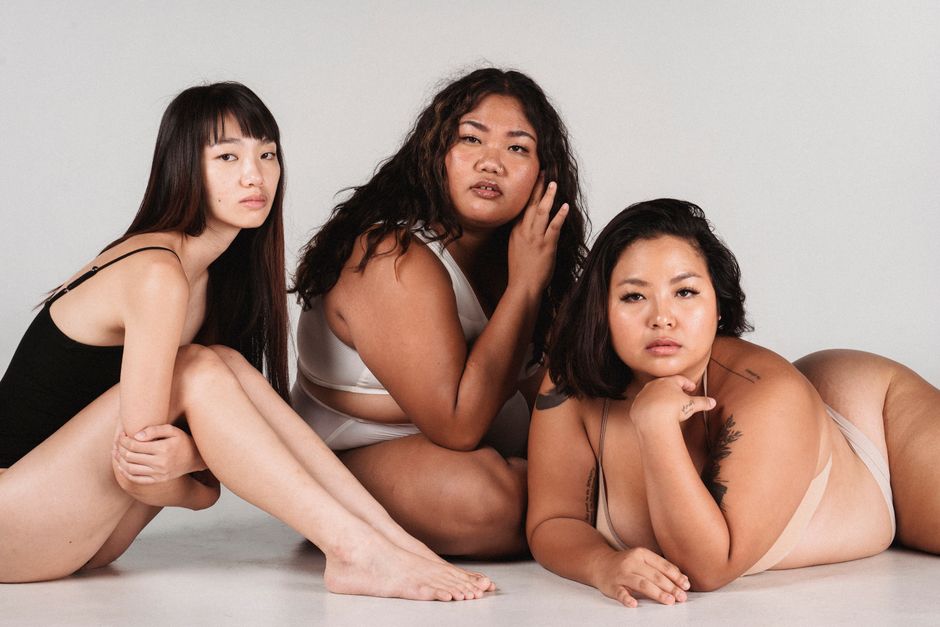
Before ordering, I check five details in this order. First, I compare my body measurements with the garment measurements, not just the size name. Second, I read the fabric composition because stretch, recovery, and lining change the final fit. Third, I inspect photos for side and back views. Fourth, I search reviews for comments about armholes, rise, bust room, and length. Fifth, I read the return rules before paying.
| Check | What to look for | Why it matters |
|---|---|---|
| Garment measurements | Bust, hip, rise, inseam, sleeve | Body measurements alone cannot show ease or shaping |
| Fabric | Fiber mix, stretch percentage, lining | Two garments with the same measurements can feel very different |
| Model information | Height, size worn, body measurements | Helps you judge length and proportion |
| Review patterns | Repeated comments about gaps or tight arms | Several similar complaints usually signal a grading issue |
| Returns | Deadline, fees, final-sale exclusions | A great size range is less useful if fit mistakes are expensive |
Do not confuse stretch with good fit
A stretchy garment can hide poor pattern work for a few minutes, then lose shape after washing. Look for fabric recovery: pull the material gently and see if it returns to its original shape. For jeans, a little elastane can improve comfort, but too much can create knee bags and a loose waistband. For fitted knit dresses, lining and seam placement matter more than stretch alone.
My strongest buying rule: never buy a $200 garment on size range alone. Buy it when the brand shows measurements, gives useful model details, explains the fabric, and offers a fair path back if the cut misses your body.
The eight plus-size brands I would shortlist in 2026
Four reliable starting points
- Universal Standard is my first stop for clean everyday clothes and dependable size coverage from 00 to 40. The Geneva Dress, often listed around $150, works because its knit fabric skims without turning into a tent. The brand wins for wardrobe basics, though some minimalist pieces feel expensive if you want trend-driven design.
- Good American is strongest in denim, fitted dresses, and polished casual clothing, with many styles reaching size 32. Good Legs Jeans, usually around $149, offer a useful balance of stretch and structure. I choose this label when waist gapping is the main problem, but I check each wash because the rise and fabric can vary.
- ELOQUII remains one of the easiest places to find event dresses, office pieces, and current silhouettes in sizes 14 to 32. The Kady Stretch Knit Blazer is commonly priced near $109 and gives a sharper shape than a soft cardigan. Sales are frequent, so I would not pay full price unless the color or size is disappearing.
- Girlfriend Collective is the practical winner for activewear, with sizes from XXS through 6XL in many core styles. Its Compressive High-Rise Legging is priced around $78 and has firm support without the thin, shiny feel of bargain leggings. Choose it for walking, travel, and strength training; choose a softer legging if compression makes you uncomfortable.
Four labels for stronger fashion choices
- Wray is for shoppers who want color, artful prints, and clothes that do not look mass-produced. The label extends many pieces into plus sizes and often prices dresses in the $200 to $350 range. It is my pick for a statement outfit, but inspect measurements carefully because generous shapes and fitted shapes appear in the same collection.
- Loud Bodies makes romantic, expressive clothing with an unusually broad size approach, often reaching sizes 00 to 10XL depending on the style. Dresses commonly sit around $200 to $400. The brand is best for people tired of plain basics, though international shipping and returns can make an experimental purchase costly.
- Selkie brings volume, color, and theatrical occasion dressing to a size range that reaches 6X in many collections. The Puff Dress, often priced around $295, is not a subtle purchase, and that is the point. Buy it for a wedding, party, or photoshoot; skip it if you need a versatile dress for repeated office wear.
- JIBRI is the strongest choice here for elevated separates, jumpsuits, and special-occasion dressing with a more grown-up finish. Prices often begin around $150 and rise above $300 for tailored pieces. I recommend it when you want a memorable outfit without fast-fashion styling, but allow extra time for made-to-order or limited-stock items.
My overall winner for a first order is Universal Standard, while Good American wins for jeans, ELOQUII wins for accessible occasion dressing, and JIBRI wins when the outfit needs to feel genuinely special.
Which brands work best for denim, workwear, and occasion dressing?
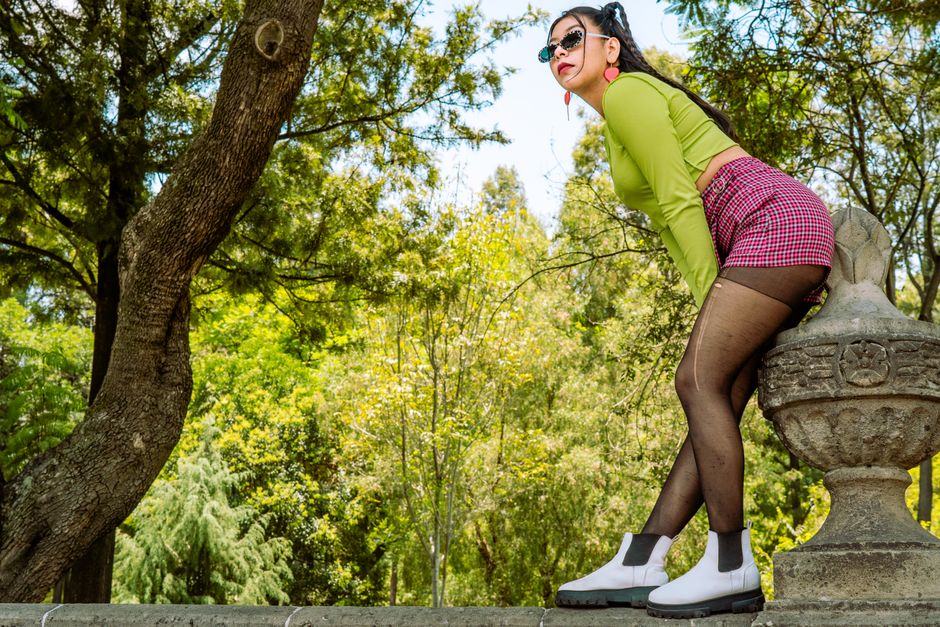
Good American is the denim pick; JIBRI is the occasion pick. Those are the two recommendations I would give most often because they have clear strengths instead of trying to be everything at once. The table below shows where each label earns its place.
| Wardrobe need | Best brand | Useful example | Typical price | Main tradeoff |
|---|---|---|---|---|
| Everyday basics | Universal Standard | Geneva Dress | About $150 | Minimal styling and limited drama |
| Jeans | Good American | Good Legs Jeans | About $149 | Some washes fit differently |
| Office clothing | ELOQUII | Kady Stretch Knit Blazer | About $109 | Best value often requires a sale |
| Activewear | Girlfriend Collective | Compressive High-Rise Legging | About $78 | Compression feels firm |
| Statement fashion | Wray | Printed dresses and separates | $200-$350 | Higher cost per wear |
| Romantic occasionwear | Loud Bodies | Voluminous dresses | $200-$400 | Shipping can add cost |
| Party dressing | Selkie | Puff Dress | About $295 | Large silhouette is not subtle |
| Elevated events | JIBRI | Tailored jumpsuits | $150-$300+ | Limited stock in some sizes |
If your wardrobe needs one dependable foundation piece, start with Universal Standard. If you already own basics and want clothes with more personality, skip the safe purchase and try Wray, Loud Bodies, Selkie, or JIBRI instead.
Five buying mistakes that make good brands feel disappointing
Fix the order before blaming the label
- Ordering the same size in every category. A woven blazer, stretch jean, and relaxed knit should not fit the same way. Use the garment chart every time.
- Ignoring rise and inseam. Jeans that fit the hip can still sit painfully low or pool around the ankle. Measure a pair you already like and compare those numbers.
- Buying final sale for a first experiment. A dramatic print or unusual silhouette deserves a return option until you understand the brand’s cut.
- Assuming a model’s size tells the whole story. Height changes the hem, waist placement, and drape. A five-foot-two shopper and a five-foot-ten shopper can wear the same size and need different lengths.
- Choosing a size for the smallest measurement. Fit the largest area first, then adjust with tailoring, a belt, or a tuck. A jacket that closes across the bust can usually be shaped; one that cannot close is a lost purchase.
When not to buy the most popular option
Do not buy Good American jeans just because everyone recommends them if you dislike stretch denim. Choose a rigid or mostly cotton pair from a brand with a strong rise chart instead. Do not buy Selkie for a closet workhorse; the volume and price make sense only when you want theatrical dressing. Do not choose Girlfriend Collective if firm compression bothers you during long days. Universal Standard is the better starting point for soft, low-fuss clothing.
The failure mode I see most often is buying for the brand’s reputation instead of the garment’s job. A label can be excellent and still be wrong for one item.
Which plus-size brand should you try first?
What is the safest first order?
Choose Universal Standard if you need a versatile piece and want the clearest size coverage. Its simple styling makes fit easier to judge, and the clothes can move between errands, work, and travel. Start with one garment, measure it when it arrives, and save those dimensions for later orders.
Which brand is best for a sharper wardrobe?
Choose ELOQUII for accessible office clothing and JIBRI for more distinctive tailoring. ELOQUII gives you more frequent sales and a larger selection of current trends. JIBRI costs more, but the designs feel less disposable and work better when you need one outfit to carry an event.
Which brand is best for personal style?
Choose Wray, Loud Bodies, or Selkie when your problem is not a missing basic but a wardrobe that feels dull. Wray is the easiest entry point for color and prints. Loud Bodies leans romantic and expressive. Selkie makes the boldest statement and should be treated as occasionwear, not a daily uniform.
For most shoppers, the best first move is one carefully measured Universal Standard basic, followed by Good American denim or JIBRI occasionwear when you know which fit and style gap needs solving.
The most important takeaway: choose the brand that solves your specific fit or style problem, not the one with the loudest size-range claim.
Related Posts
What Years of Wear Taught Me: Lululemon Align vs Athleta Salutation
You know the test: you put on leggings for a…

Top Athleisure Wear 2026: Fit and Outfit Guide
You have ten minutes before leaving for coffee, a school…
15-Item Wardrobe Experiment: What Changed in a Month
A smaller wardrobe does not automatically make someone more stylish.…