What should you wear when your workday moves from a video call to the office, then back to your kitchen table? The best business casual outfit formulas solve that exact problem. They look sharp from the waist up, feel comfortable during a long commute, and still make sense when the camera turns off.
Hybrid work has changed the dress code. A stiff suit feels excessive for many offices, but sweatpants and a hoodie can look careless during a client call. The useful middle ground is a repeatable outfit system built around proportion, fabric, and one polished finishing piece.
Why business casual looks different in a hybrid workplace
Dress for two viewing distances
Traditional office dressing was judged in person. People saw the full outfit, the shoes, the coat, and the small details. Hybrid dressing has two viewing distances: the laptop frame and the real room. Your top half needs a clear neckline and enough structure to hold its shape on screen. Your lower half needs stretch, movement, and a comfortable waistband for sitting.
A soft blazer over a fine-knit top works better than a bulky cardigan because the lapels create a visible frame around your face. A collarless jacket can also work, but it needs a clean shoulder line. Avoid thin, clingy jersey near the webcam. It often shows wrinkles and pulls across the chest.
Use contrast instead of formality
You do not need darker colors or dressier clothes to look professional. You need contrast. Pair a light blue shirt with charcoal trousers, a cream knit with navy pants, or a chocolate-brown jacket with an ivory top. The difference between the garments gives the outfit definition on a small screen.
Strong contrast also helps on days when you remove the jacket at home. The outfit still looks intentional instead of unfinished.
Choose fabrics that survive the day
Stretch wool blends, compact cotton, merino, ponte, and wrinkle-resistant viscose are the strongest choices for hybrid work. They breathe better than plastic-heavy suiting and recover from sitting better than lightweight linen. A practical target is one flexible layer, one structured layer, and one fabric with enough weight to hang cleanly.
The five-piece formula for a polished work outfit
The most useful wardrobe is not a large collection of disconnected office clothes. It is a small group of pieces that repeat well together. Start with this five-part formula.
- A clear base layer: Choose a smooth T-shirt, poplin shirt, fine-gauge knit, or shell top. The neckline should sit flat and remain visible on camera.
- A defined third piece: Add a blazer, cropped jacket, overshirt, or neat cardigan. This layer supplies the visual polish that a basic top cannot provide alone.
- A relaxed tailored bottom: Pick straight-leg trousers, ankle pants, a fluid midi skirt, or dark jeans if your workplace permits them. The fit should skim rather than squeeze.
- A practical shoe: Loafers, clean leather sneakers, ballet flats, or low block heels all work. Choose a pair you can walk in for at least 20 minutes.
- One deliberate detail: Finish with a belt, watch, compact earrings, structured tote, or simple pendant. One strong detail looks more modern than several competing accessories.
For a reliable starting point, the Uniqlo Smart Ankle Pants offer a tapered silhouette, extra room around the knees, and two-way stretch. They are the best budget foundation for people who move between a desk, transit, and home because they look tailored without restricting the stride.
Balance the narrower ankle pant with a slightly relaxed top layer. A fitted shirt and fitted jacket can make the whole outfit look corporate and dated. A fluid blouse or roomy merino crew neck creates a better proportion.
For a more formal office, swap the sneaker for a loafer and choose a jacket with a sharper shoulder. For a creative office, keep the tailored trouser and change the base layer to a striped knit or understated graphic tee. The formula stays intact while the mood changes.
Office day versus home day: a practical outfit comparison
Hybrid dressing works best when you make one or two changes instead of rebuilding the outfit at every location. The table below shows where to spend effort and where comfort can take over.
| Outfit element | Office day | Home day | Best rule |
|---|---|---|---|
| Top | Poplin shirt or fine knit | Compact T-shirt or soft polo | Keep the neckline neat |
| Third layer | Single-breasted blazer | Light cardigan or overshirt | Use structure for meetings |
| Bottom | Wool-blend trouser or midi skirt | Stretch ankle pant or dark denim | Prioritize movement while seated |
| Shoe | Loafer, flat, or low heel | Clean sneaker or soft loafer | Match the day’s walking load |
| Color | Navy, charcoal, cream, olive | Denim, chocolate, stone, muted blue | Keep two colors dominant |
The winning strategy is the “commute layer.” Wear the structured jacket to the office, keep it on for important calls, and remove it when the day becomes less formal. Your base outfit should still look complete without it.
Do not buy separate wardrobes for home and office unless your job requires strict formalwear. That creates more clothes, more decisions, and fewer combinations. Buy trousers and tops that can handle both settings, then use the jacket and shoe to set the level of formality.
The three mistakes that make business casual look sloppy
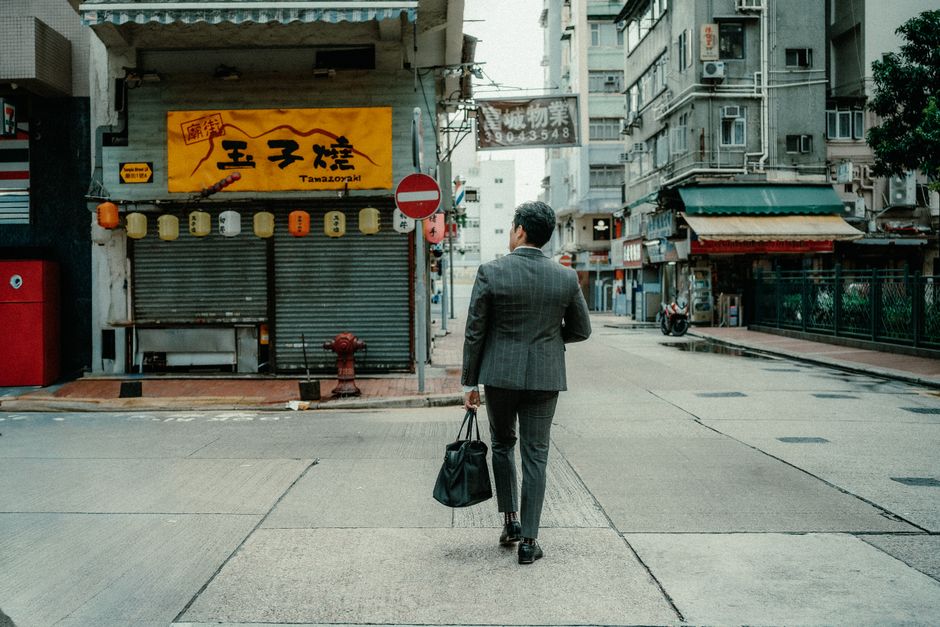
My strongest recommendation: fix fit before buying more clothes. A $40 pair of trousers that sits correctly will look better than a $200 pair with excess fabric at the ankle. Hybrid work makes fit even more visible because webcams flatten texture and reduce the impact of small details.
Do not combine too many soft pieces
A slouchy sweater, loose trousers, and flexible sneakers can feel wonderful but may lose shape on screen. Keep one soft element and add one firm element. A draped knit needs a clean trouser. A relaxed trouser needs a crisp shirt or structured jacket.
Do not ignore sleeve and trouser length
Sleeves that cover the knuckles make a jacket look borrowed. Trouser hems that pool over the shoe look accidental. Aim for a sleeve ending close to the wrist bone and a trouser break that creates one soft fold at most. Cropped ankle pants should finish above the ankle bone, not halfway up the calf.
Do not confuse expensive with polished
Luxury fabric cannot rescue pilling, shiny seat marks, loose buttons, or visible undergarment lines. Steam the front panels, inspect the elbows, and replace worn-out basics first. Skip a blazer if you work in a hot room and cannot keep it comfortable; a crisp shirt with a clean collar can create enough authority on its own.
Also avoid buying a full matching suit simply because it appears versatile. A suit jacket may be too formal with casual denim, while suit trousers may feel too restrictive at home. Separate pieces with compatible colors usually create more useful combinations.
Which business casual formula should you choose?
What is the best formula for video-heavy days?
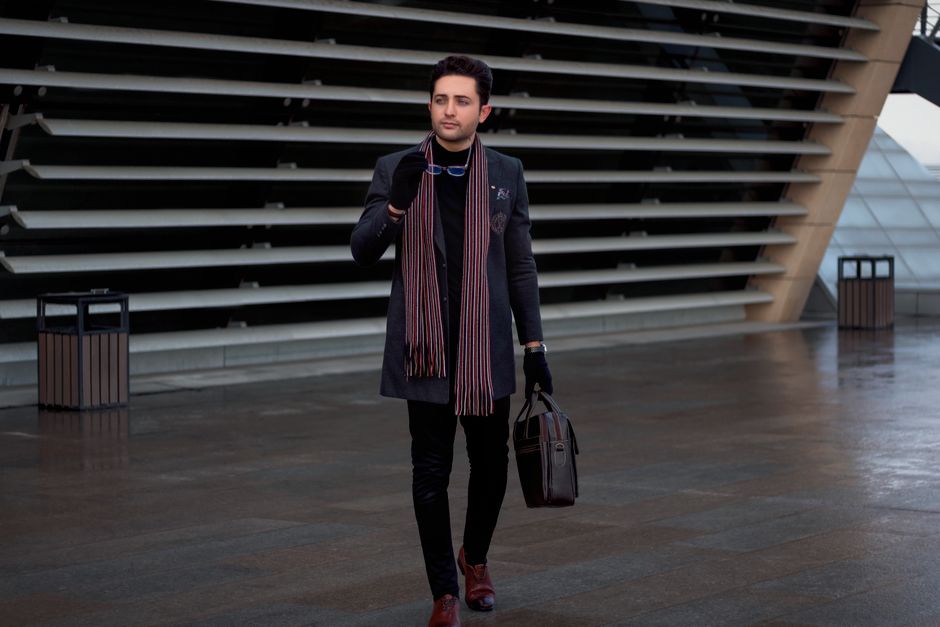
Choose a fine-gauge crew-neck sweater, straight-leg trouser, and lightweight blazer. The COS Merino Wool Crew-Neck Sweater is a strong example because merino gives warmth without the bulk of a chunky knit. Add a small earring or watch near the face. This formula is the clear winner for back-to-back calls because it stays neat while you sit.
What is the best formula for commuting three days a week?
Wear a washable knit polo, stretch ankle trouser, and supportive loafer. The Everlane The Drapey Blazer works well as the third piece when you want polish without a rigid suit shape. Pair it with a simple top and the Uniqlo Smart Ankle Pants for an outfit that can handle transit, office seating, and a quick dinner afterward.
What should you wear when the dress code is unclear?
Choose navy or charcoal trousers, an ivory or pale-blue top, and a medium-weight blazer. Add loafers instead of sneakers. This is the safest formula because it reads professional in a conservative office but does not look like formal interview clothing. The only time to skip it is during a very casual team day, when a cardigan and dark denim will feel more natural.
Business casual in 2026 is moving toward flexible polish: clean lines, useful fabrics, and fewer disposable trend pieces. Build around two trousers, three tops, one jacket, and two shoes. That small system will carry more workdays than a crowded wardrobe ever could.
Related Posts

Cashmere Sweater Vs Merino Wool: Cashmere vs Merino Wool: The Better Fall Sweater
The Warmth Myth: Cashmere Does Not Automatically Win You leave…
A 20-Item Work Wardrobe That Changed My Mornings
The smallest useful work wardrobe is built around outfits My…
High-Quality Vintage Clothing on a Tight Budget: Smart Buys
You find a wool coat for $18, a pair of…