The most flattering plus-size swimsuit is the one that fits your largest measurement first, supports the areas that need support, and lets you move without constant adjusting. Start with your bust, waist, hip, and torso measurements. Then choose the swimsuit structure that solves your actual problem: a long torso, a fuller bust, a soft midsection, a short waist, or limited mobility. Body-shape labels can help you browse, but they should never decide what you are allowed to wear.
Why swimsuit fit matters more than body shape
Swimwear has less fabric and less forgiveness than everyday clothing. A dress can skim over a tight waistband; a swimsuit cannot. The right suit works because its seams, lining, straps, and leg openings hold the body in place while the fabric follows its shape. That is why two people with the same clothing size can need completely different swimsuits.
Support comes from construction, not camouflage
A shelf bra, molded cups, an underwire, wide straps, and a firm underbust band provide real support. Dark colors and side panels may change the visual line, but they do not stop a swimsuit from riding up or cutting into the ribs. For a fuller bust, the band should sit level around the body, and the cups should contain the breast tissue without spilling at the top or sides.
Choose the problem you want the suit to solve
If your stomach is the concern, look for a lined front, a high-rise brief, adjustable ruching, or a wrap panel. If your hips are fuller, a high-cut leg can prevent the fabric from digging into the crease. If your torso is long, a longline one-piece or tankini gives extra length. The strongest choice is the suit that fixes your biggest fit issue first, even if it is not the style you originally pictured.
How to measure for a swimsuit at home

Measure in underwear or a thin, close-fitting base layer. Keep the tape flat but do not pull it tight enough to compress your body. Record the numbers in inches and compare them with the brand’s own chart, since a size 20 at one retailer can fit differently from a size 20 at another.
Use this five-step measuring routine
- Measure your bust at the fullest point while wearing the bra you would use under swimwear.
- Measure your natural waist, usually the narrowest point above the belly button.
- Measure your hips at the fullest point, keeping your feet together.
- Measure your torso from the top of your shoulder, through the legs, and back to the starting point for one-piece length.
- Write down your usual cup size, band size, and any fit changes after weight loss, surgery, pregnancy, or breastfeeding.
Read the size chart like a buyer
When your measurements fall between sizes, size up for a one-piece that feels short or tight across the torso. For a two-piece, buy the top and bottom separately if the retailer allows it. Never size down to create compression. A suit that leaves red marks after five minutes will feel worse after an hour in sun, salt, and water.
Which plus-size swimsuit structure fits best?
Use the table as a starting point, not a rulebook. The best structure is the one that gives you support without adding a new problem, such as a too-short torso or an unstable neckline.
Swimsuit structure comparison
| Style | Best for | Check before buying | Reference price |
|---|---|---|---|
| Structured one-piece | Full bust, stomach support, swimming | Underwire, cup depth, torso length | $80–$190 |
| Tankini | Bathroom ease, adjustable coverage | Top staying down when arms lift | $60–$140 |
| High-waisted bikini | Separate sizing, defined waist | Waistband rolling or cutting in | $50–$130 |
| Swim dress | Skirt coverage, resort wear | Built-in brief and wet-weight drag | $70–$160 |
| Long-sleeve rash guard set | Sun protection and active use | UPF rating, zipper comfort, heat | $70–$180 |
What the real options show
The Swimsuits For All Twist Front One-Piece, often listed around $99.99, suits shoppers who want a lined front and a defined waist without a separate top and bottom. The Elomi Essentials Plunge Bikini Top, commonly priced near $78, is the better route for fuller busts that need bra-sized support. Miraclesuit Sanibel styles, often close to $180, offer firmer shaping for shoppers who want a smooth, compressed fit. These prices are useful budget markers; sales and seasonal colors change.
Four swimsuit mistakes that ruin a good fit
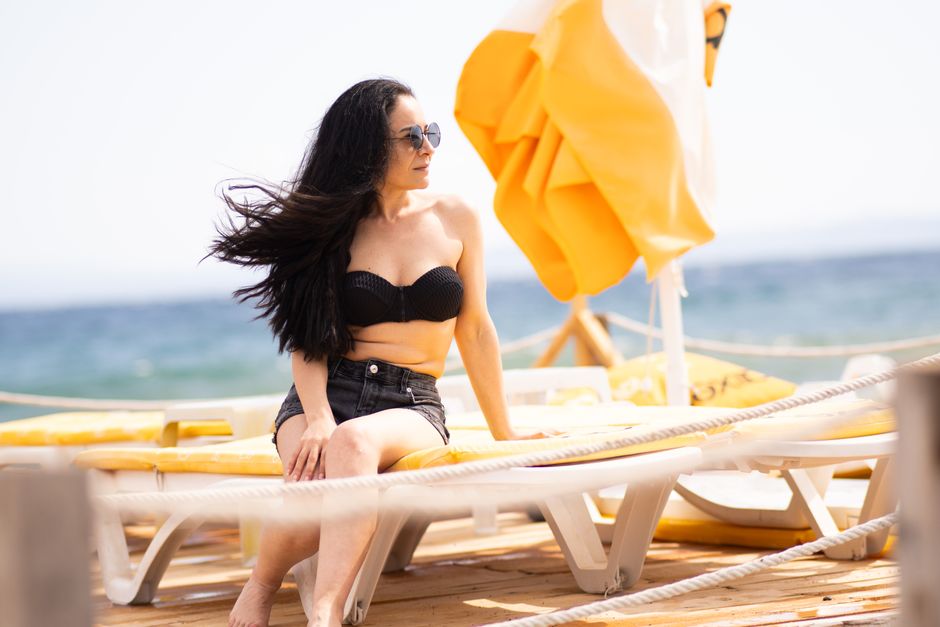
Most swimsuit disappointment starts in the fitting room or checkout screen, not at the beach. Fix the following errors before you blame your body or decide that swimwear is impossible.
Mistake one: choosing by dress size
- Use bust, waist, hip, and torso measurements instead of a single number.
- Check the garment’s finished measurements when the retailer provides them.
- Read reviews for specific complaints about short torsos, loose cups, or tight leg openings.
Mistake two: ignoring movement and fabric behavior
- Raise both arms to test if the neckline drops or the suit pulls at the shoulders.
- Sit down to check if the leg openings pinch or the back rides up.
- Bend, twist, and walk several steps before removing the tags.
- Avoid unlined white or pale fabric if it becomes transparent when wet.
Also skip suits with thin straps if you already know they dig into your shoulders. Do not buy a non-returnable final-sale suit as a first experiment. The right purchase should survive ordinary movement, not only a standing mirror check.
My strongest recommendation: start with support
For a fuller bust or a first swimsuit purchase, choose a structured one-piece with wide straps and a stable band. It gives the broadest margin for movement, photographs cleanly, and removes the sizing problem between a top and bottom. A two-piece wins only when separate sizing solves a clear issue, such as a small waist with fuller hips or a large bust with a smaller midsection.
Best pick for fuller busts
The Elomi Essentials Plunge Bikini Top is the clearest choice when cup support matters more than maximum coverage. Its bra-sized format is more precise than generic XL or 2X swim tops, and a separate bottom lets you choose a higher rise. Pick this route if standard swimsuit cups cut across your chest or if straps slide off your shoulders.
Best pick for firm shaping
Choose the Miraclesuit Sanibel when you want a strong, held-in feel for pool parties, cruises, or photographs. Its higher price makes sense only if you enjoy firm compression. If you dislike tight fabric, need easy bathroom access, or plan to swim laps, the Swimsuits For All Twist Front One-Piece is the better buy because it offers a more flexible everyday fit.
Common fit questions, answered plainly
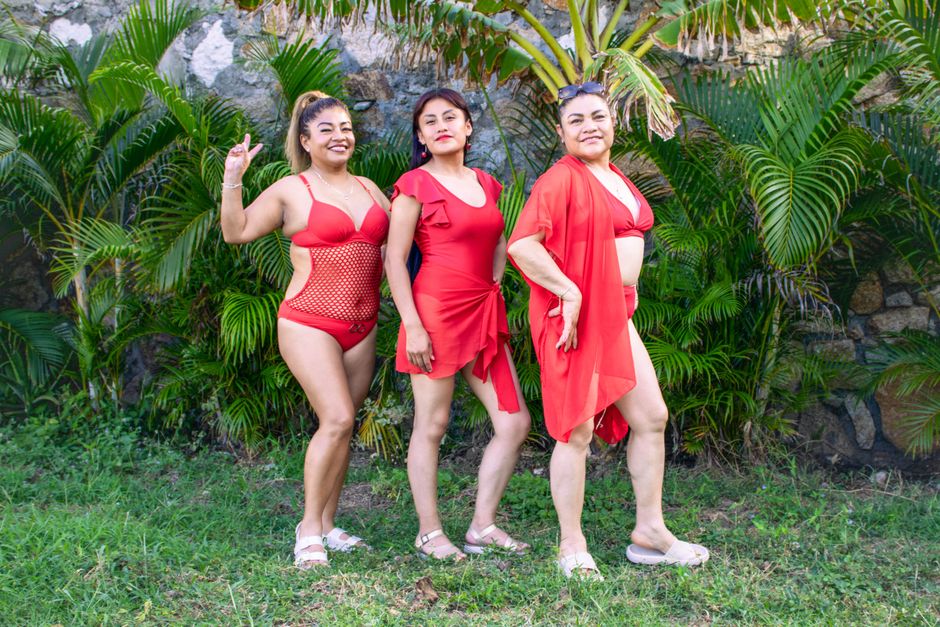
Is a tankini more flattering than a one-piece?
A tankini is more practical when you need bathroom access, want adjustable coverage, or have a long torso that makes one-pieces feel short. It is not automatically more flattering. The top must stay anchored when you lift your arms, and the bottom should not expose a gap when you sit. A longer tankini top with a built-in shelf bra is the strongest version for coverage and comfort.
Should plus-size swimwear feel tight?
It should feel secure, not restrictive. Swim fabric relaxes slightly in water, but a suit should never cause numbness, painful digging, or deep marks during a short try-on. Firm compression works for some shoppers, while a softer lined suit works better for long beach days. If breathing changes when the suit is fastened, size up or choose a less compressive structure.
Is a high-waisted bikini good for every body type?
No single rise works for everyone. A high waist is excellent when the waistband rests on your natural waist and stays flat. It fails when your torso is short, the band rolls below the stomach, or the fabric ends at the widest part of the body. Try a mid-rise or a high-leg brief instead when a high waist cuts your shape into two sections.
Build your final swimsuit shortlist
Before ordering, write down the one feature you cannot compromise on: bust support, torso length, stomach coverage, separate sizing, or sun protection. Then shortlist two styles that solve that need and one alternative with a different structure. This simple comparison prevents a pretty print from distracting you from fit.
A practical 2026 buying sequence
- Measure yourself and save the numbers in your phone.
- Choose the structure that fixes your biggest fit problem.
- Compare lining, straps, cup support, rise, and return rules.
- Order only from a retailer with a clear swimwear return policy.
- Try the suit indoors with the tags attached, then test sitting, walking, reaching, and bending.
The final verdict
For most shoppers, a lined structured one-piece is the safest starting point. Pick the Elomi Essentials route for bra-sized bust support, the Swimsuits For All Twist Front One-Piece for flexible everyday coverage, or Miraclesuit Sanibel for firm shaping. If you began with a crowded rack and no idea what would work, you now have a measurement set, a fit priority, and a clear shortlist. That is how you leave the fitting room ready for the water instead of still searching for permission to enjoy it.
Related Posts
Statement Necklaces for Simple Outfits: 5 Picks for 2026
Why one bold necklace works on a plain outfit My…

Business Casual Outfit Formulas That Work on Camera
What should you wear when your workday moves from a…

Ethical Wardrobe: How to Buy Less and Choose Better
Only a small part of a garment’s real story appears…