Why does your hoodie outfit look sloppy?
Why does the same hoodie look sharp on one person and like sleepwear on another? The problem usually is not the hoodie. It is the combination of fit, fabric weight, and everything worn around it. A loose top with loose trousers, worn sneakers, and a stretched neckline creates one large shapeless block. A structured hoodie with cleaner trousers and deliberate shoes looks like an outfit.
Hoodies exist to solve a practical problem: keeping the torso, neck, and head warm with one easy layer. That function has not changed. Fashion has changed the proportions. Modern versions use wider shoulders, shorter hems, heavier fleece, cleaner drawstrings, and less branding. The result can look relaxed without looking careless.
Start with the visual weight
Match the thickness of the hoodie to the rest of the outfit. A thin cotton sweatshirt works under a denim jacket. A heavy fleece hoodie needs room above it or should act as the outer layer. Do not force a thick hood under a narrow blazer. It creates a lump at the neck and pulls the shoulders out of shape.
Fix the three weak points
Check the collar, cuffs, and hem before buying. The collar should sit flat when the hood rests behind your neck. Cuffs should hold the wrist without cutting into it. The hem should finish around the hip for a classic fit, or several centimeters lower for an intentional oversized shape. A stretched collar or twisted side seam makes even expensive clothing look tired. The verdict: fit and proportion matter more than the logo.
How should you choose hoodie weight and fabric?

Choose fabric by use, not by the word cozy. A soft hoodie can still be too warm for indoor wear, while a thick-looking sweatshirt can feel drafty if the knit is loose. Fabric weight changes how the garment hangs, how much space it takes under a jacket, and how quickly it dries after washing.
Use light fleece for layering
Lightweight cotton or cotton-blend fleece works best for travel, commuting, and mild weather. Look for a smooth outer face, a brushed inner face, and ribbed cuffs that recover after stretching. Around 250 to 350 grams per square meter gives warmth without turning the hoodie into bulky outerwear. A light layer also works under a trench coat or leather jacket.
Use midweight fleece for daily wear
Midweight fabric around 350 to 500 grams per square meter gives the best balance for most wardrobes. It holds its shape, feels substantial, and works with jeans, cargo trousers, skirts, and tailored pants. This is the safest choice if you want one hoodie to handle cool mornings and casual evenings.
Use heavyweight fleece with restraint
Heavy fleece feels warm because it traps more air, but it also adds bulk at the chest and arms. Buy it for cold walks, outdoor work, or a deliberate streetwear silhouette. Do not buy heavyweight fabric if you mainly wear slim jackets or sit in heated offices. It will become an uncomfortable layer that stays in the closet. Midweight cotton-blend fleece is the clear winner for a first purchase.
What hoodie fit looks polished instead of oversized?
Oversized is a shape, not a sizing mistake. That distinction matters. Going two sizes up usually lengthens the sleeves, drops the shoulder too far, and leaves the hem hanging without structure. A real oversized hoodie is cut with a planned shoulder, body, and sleeve proportion.
Use the shoulder seam as your guide
For a regular fit, the shoulder seam should finish close to the point where your shoulder drops into your arm. For an oversized fit, the seam can sit several centimeters lower, but the sleeve should still taper toward the wrist. If the cuff covers your fingers, the garment is too large for everyday styling.
Check the hood from the side
A useful hood stands slightly away from the back of the neck and keeps its shape when worn. A flat hood collapses under a jacket and makes the neckline look crowded. Try the hoodie with the hood down, then pull it up. The neckline should not drag the whole garment backward.
Balance volume below the waist
Pair a roomy hoodie with straight-leg jeans, tapered trousers, or a skirt that has a clear waistline. If both the top and bottom are wide, show some structure through footwear, a tucked hem, or a shorter jacket. The strongest everyday proportion is a relaxed top with a clean lower half. The verdict is simple: buy your normal size for a neat fit and choose a true oversized cut only when you want the volume to be visible.
Which 9 hoodies and sweatshirts cover the main style needs?

These are not nine identical basics. Each one solves a different wardrobe problem. Prices are typical U.S. listed prices and can change with color, size, and seasonal discounts.
| Style | Typical price | Useful detail | Best choice for |
|---|---|---|---|
| Champion Reverse Weave Hoodie | About $75 | Heavy cotton-blend fleece with a structured feel | Long-term casual wear |
| UNIQLO Sweat Pullover Hoodie | About $49.90 | 100% cotton body and clean regular fit | Minimal outfits |
| Nike Sportswear Tech Fleece Windrunner | About $140 | Lightweight technical fleece and full zip | Sporty city dressing |
| Carhartt Rain Defender Midweight Hoodie | About $66.99 | 10.5-ounce cotton-polyester blend with light water resistance | Cool, damp conditions |
| Hanes EcoSmart Pullover Hoodie | About $25 | Affordable cotton-blend fleece | Budget rotation pieces |
| Russell Athletic Dri-Power Hoodie | About $35 | Moisture-wicking performance fabric | Errands and light workouts |
| Lululemon Scuba Oversized-Fit Hoodie | About $148 | Dense soft fleece and cropped oversized proportions | Polished athleisure |
| Gildan Heavy Blend 18500 | About $20 | 8-ounce 50/50 cotton-polyester fleece | Graphic or custom sweatshirts |
| Abercrombie Essential Popover Hoodie | About $80 | Soft casual fleece with fashion-focused proportions | Modern weekend outfits |
Champion is the best all-rounder if you want weight and durability. UNIQLO wins for a clean, low-logo wardrobe. Nike Tech Fleece wins when you want a lighter athletic shape, while Carhartt is the practical pick for damp outdoor days.
How do you style a hoodie without looking lazy?
Keep the hoodie relaxed and make one other piece precise. That is the styling rule. Precision can come from trousers, a jacket, a bag, or shoes. The outfit needs one visible decision that says you dressed on purpose.
- Wear a plain hoodie with straight-leg denim, leather sneakers, and a compact shoulder bag. Keep the colors close: charcoal with black, cream with tan, or navy with faded blue.
- Layer a thin hoodie under a wool coat. Let the hood show at the back, but keep the front neckline flat. Use trousers with a clean break instead of joggers.
- Pair a cropped or short hoodie with high-waisted wide-leg pants. The higher waist gives the oversized top a clear stopping point.
- Use a full-zip hoodie over a fitted T-shirt. Leave the zipper open and add a belt, watch, or structured tote so the outfit has a vertical line.
- Wear a graphic sweatshirt with neutral bottoms. Do not add another loud print. One statement surface is enough.
Avoid the common mistake of matching a hoodie with sweatpants, foam clogs, and a soft tote every time. That combination is comfortable but has no contrast. Swap one item for dark denim, a long coat, a firm leather shoe, or a structured bag. The hoodie stays easy while the outfit gains shape.
For color, gray, navy, black, oatmeal, and dark green earn the most wear. Bright colors work when the rest of the outfit is quiet. The verdict: use one comfort piece as the base, then add one tailored or structured item.
When should you skip a hoodie and choose another layer?
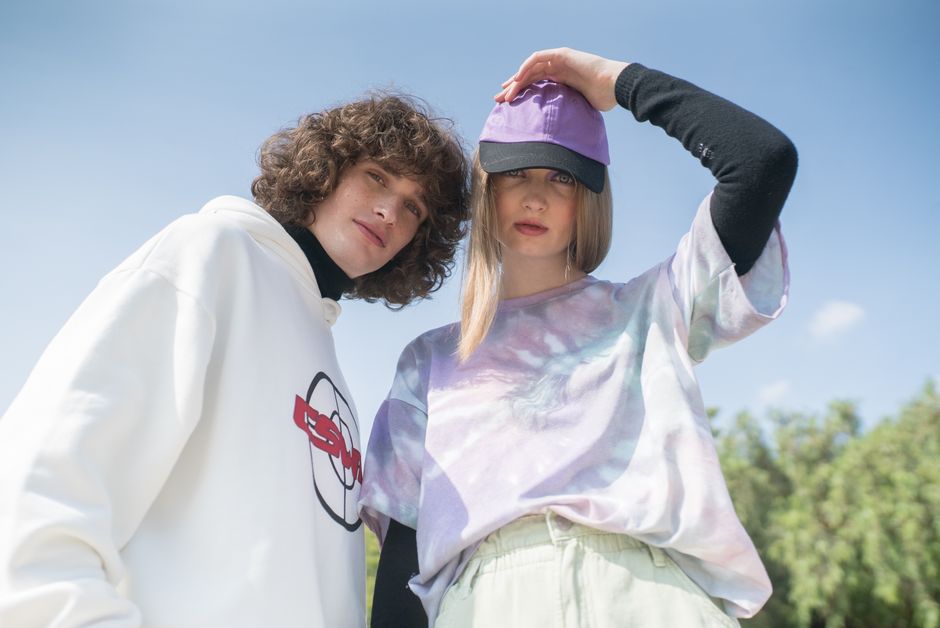
Is a hoodie right for a formal-casual setting?
No. A hoodie can work under a relaxed coat for a creative office, but it is the wrong choice for interviews, weddings, business presentations, and events where a collar matters. Choose a fine-gauge crewneck, cardigan, or knit polo instead. A sweatshirt without a hood looks cleaner under tailored outerwear.
Should you buy heavyweight fleece for a warm climate?
Usually no. Heavy fleece traps heat and becomes unpleasant indoors. Choose a lightweight cotton sweatshirt, French terry, or breathable performance layer. A thin full-zip style gives you more control than a thick pullover because you can open it before you overheat.
Is a logo hoodie the best first purchase?
No. Start with a plain midweight hoodie in gray, navy, or black. Add a logo, graphic, or bright color only after you know the fit works with your existing trousers and jackets. The Champion Reverse Weave is the stronger first buy for durability; the UNIQLO Sweat Pullover is the better choice for a quieter wardrobe.
When is an expensive hoodie justified?
Pay more for a specific benefit: better fabric recovery, a stronger zipper, a carefully shaped hood, or a fit that works with your clothes. The Nike Sportswear Tech Fleece Windrunner makes sense for a lightweight athletic look. It does not make sense if you only want a warm layer for home. A $25 Hanes EcoSmart can handle that job.
The clear lesson is that a hoodie is not automatically versatile. Buy it only when its weight, shape, and level of formality match the places you actually go.
How do you keep hoodies soft, sharp, and wearable?
Wash hoodies less often than T-shirts unless they touch sweat or food. Air them out after wearing, then wash them inside out in cold water with a mild detergent. Cold water limits shrinkage and protects dark dye. Avoid fabric softener because it can coat fleece fibers and reduce absorbency.
Dry for shape, not speed
High heat is the fastest way to shrink cotton and weaken elastic cuffs. Tumble dry on low only when the care label allows it. For heavyweight hoodies, lay the garment flat or hang it over a wide bar while damp. A thin hanger can leave shoulder bumps.
Prevent the tired hoodie effect
Rotate at least two or three sweatshirts instead of wearing one favorite every day. Fold them with the hood inside the body so the neckline does not stretch. Remove pilling with a fabric shaver on a low setting, but do not drag it over printed graphics or loose stitching.
Check the inside before buying: loose loops, thin ribbing, and a twisted side seam signal short life. A hoodie that still fits after repeated washing is more stylish than a trend piece that loses its shape in one season. The single most important takeaway: choose a midweight hoodie with a deliberate fit, then style it with one structured piece.
Related Posts
Inclusive Plus-Size Denim Brands: 8 Plus-Size Denim Brands Changing the Fit in 2026
Plus-size denim is finally moving beyond one stretchy skinny jean…
Kate Somerville Goat Milk Moisturising Cleanser Review
[unpaid/sample/affiliate/ad] I first reviewed Kate Somerville several years ago but…
7 Spring 2026 Fashion Trends You Can Actually Wear
You open your closet on a mild April morning and…