Two pairs of jeans with the same labeled size can differ by several inches at the waist, hip, and thigh. That is why shopping by size alone fails so often. The right pair starts with your shape, rise, fabric, and actual measurements.
Start With Your Rise, Not Your Size
Measure the waist, hip, and rise
Measure your natural waist at the narrowest point, then measure the fullest part of your hips and seat. Keep those numbers beside you while shopping. A pair that matches your waist but cuts into your hip will never feel right. A pair that fits the hip but gaps badly at the back needs a different rise or a curvy cut.
The rise is the distance from the crotch seam to the top of the waistband. Low-rise jeans often create pressure across the stomach and slide down when you sit. Mid-rise jeans can work for a shorter torso, but they need enough stretch to stay put. For most plus size apple and pear shapes, a high rise between 10 and 12 inches gives the cleanest waistline and the most stable fit.
Match the rise to your shape
Apple shapes usually need a high rise with a firm, wide waistband that sits smoothly over the stomach. Look for jeans with stretch and a front rise that does not fold when you bend. Pear shapes need enough room through the hip and upper thigh, plus a waistband that follows the smaller waist instead of standing away from the body.
Do not buy a larger size to solve a shape problem. That creates excess fabric at the waist and a sloppy seat. Choose a cut built with more room where you need it.
Apple and Pear Shapes Need Different Fit Solutions
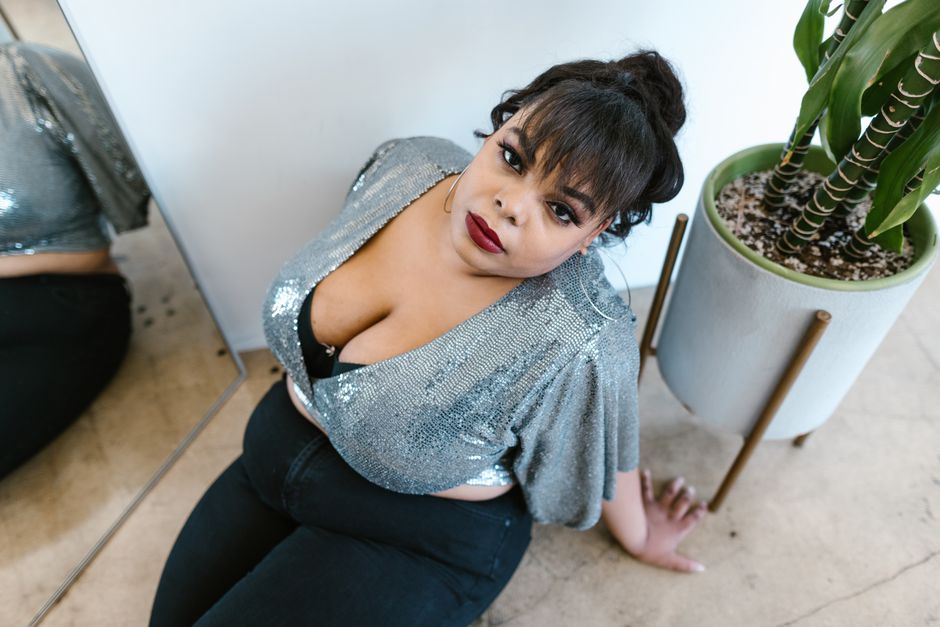
The best jeans for apple and pear shapes do not use the same pattern. Both shapes benefit from comfort and structure, but the pressure points are different.
Where the fit usually fails
| Shape | Common problem | Best starting point |
|---|---|---|
| Apple | Waistband rolls, stomach feels compressed, jeans slide down | High rise, wide waistband, 2% to 4% stretch |
| Pear | Waist gaps, thighs feel tight, pockets pull open | Curvy cut, contoured waist, roomier hip and thigh |
| Both | Thin denim loses shape after a few hours | Medium-weight denim with recovery |
Choose structure over excessive stretch
Stretch makes denim easier to wear, but too much stretch can create sagging at the knees and seat. Aim for cotton denim with a small amount of elastane. Around 1% to 3% elastane gives movement while keeping the jeans from collapsing by lunchtime. If the fabric feels soft and loose before you try it on, it will probably feel looser later.
For apple shapes, a straight waistband and darker wash often create the most balanced line. For pear shapes, a curvy waistband and clean side seams matter more than color. The fit should hold the body without squeezing it.
The Best Jean Cuts for Each Shape
High-rise straight-leg jeans are the strongest first choice for both shapes. They skim instead of clinging, keep the leg line clean, and work with flats, boots, and sneakers. Skinny jeans can still work, but only when the waistband stays flat and the fabric recovers after sitting.
Best cuts for apple shapes
For an apple shape, the Good American Good Waist is a strong option because its high rise and stretch denim create a secure waist without forcing the stomach into a narrow band. Prices often sit around $149, so it is not a casual purchase, but the cut is aimed at a fuller midsection. The Torrid Bombshell Skinny Jean, usually priced around $70 to $90, is the better budget pick when you want a higher waist and a close leg.
Choose a straight or slim-straight leg if your stomach is the area you want to balance. The Levi’s 724 High Rise Straight, often around $70 to $100 depending on the wash and sale, gives a longer vertical line without the tight lower-leg effect of a skinny jean. Avoid rigid denim with no recovery. It tends to dig into the waist when you sit.
Best cuts for pear shapes
Pear shapes need room through the seat and thigh first. The Universal Standard Seine High Rise Skinny, usually around $98 to $120, is a useful starting point because its size range reaches well beyond standard plus offerings and the fabric has enough stretch for a close fit. For a looser look, select a curvy straight or bootcut cut instead of sizing up in a narrow jean.
The winner for a pear shape is a curvy high-rise straight leg with a contoured waistband. It prevents the back gap that makes many jeans look unfinished. Skip large thigh whiskering and tiny back pockets if you want a smoother, longer line. Those details draw attention to the exact areas the cut should balance.
Use This Fitting-Room Checklist
Try jeans in your measured size and one size up only if the fabric feels unusually firm. Test the fit while standing, sitting, walking, and bending. A mirror view from the front is not enough.
Test the fit in this order
- Pull the waistband into place without forcing it over your stomach or hips.
- Close the button while standing normally. Do not hold your breath.
- Sit for two minutes. Check for rolling, pinching, or a gap at the back.
- Walk several steps and climb one stair. The jeans should stay at your waist.
- Pinch the fabric at the thigh. A little room is good; pulled horizontal lines are not.
- Check the front pockets. If they flare open, the hip area is too tight.
- Look at the side seam. It should fall straight instead of twisting toward the front.
- Check the hem with the shoes you plan to wear most often.
Reject the jeans when these problems appear
Reject jeans that require constant tugging, create a deep waistband fold, or feel comfortable only while standing. Do not trust a flattering first impression if the seat becomes loose after a few bends. Also skip jeans that need a belt to stop a major waist gap. A belt can style a good fit; it cannot repair the wrong pattern.
Which Pair Should You Buy First?

What is the best first pair for an apple shape?
Start with a high-rise straight or slim-straight jean in medium-weight stretch denim. The Levi’s 724 High Rise Straight is the clearest everyday choice because it gives the stomach room while keeping the leg line neat. If waistband comfort matters most, the Good American Good Waist is the stronger premium pick. The deciding test is simple: the waistband must stay flat when seated.
What is the best first pair for a pear shape?
Start with a curvy high-rise jean that has extra room through the hip and thigh. The Universal Standard Seine High Rise Skinny is the best close-fitting option from the named group, while a curvy straight or bootcut is better for a relaxed outfit. Do not size up just to fit the thighs. A larger waist will create the back gap you were trying to avoid.
When should you skip high-rise jeans?
Skip a high rise if it ends at your widest point and folds there. A mid-rise jean with a longer front panel may sit more smoothly on a short torso. Skip skinny jeans if the knees bag after a few minutes or the waistband slides during a walk. The correct pair is the one that still looks balanced after you sit down, not the one that looks perfect for ten seconds in front of a mirror.
That is the fix for the opening problem: stop trusting the size label. Measure the body area that needs room, choose the rise that stays put, and judge the jeans after movement. For apple shapes, start with a high-rise straight leg. For pear shapes, start with a curvy waist and a roomier hip. The right fit feels obvious once the jeans stop fighting your shape.
Related Posts

What Years of Wear Taught Me: Lululemon Align vs Athleta Salutation
You know the test: you put on leggings for a…

Target A New Day vs Old Navy Dresses: Best 2026 Buy
What makes an affordable dress worth buying?You find a $20…

Nike Dunks vs Air Force 1s: Street Style Verdict
The Air Force 1 has appeared in more than 2,000…