Responsible denim is not simply jeans made from organic cotton. The better question is how a pair was grown, dyed, sewn, repaired, and kept in use. The strongest brands give you enough detail to judge those steps instead of asking you to trust a green slogan.
What Responsible Denim Actually Means
Denim has a basic problem: it uses a lot of cotton, water, chemicals, energy, and labor to produce one familiar garment. A responsible pair aims to reduce those pressures while staying durable enough to replace several cheaper pairs. That second part matters. Jeans worn for eight years can be a better purchase than jeans made from a recycled blend that lose their shape after one season.
Start with the fiber, not the slogan
Organic cotton is a useful starting point because it avoids synthetic pesticides used on conventional cotton, but it does not tell you how much water the mill used or how workers were treated. Recycled cotton can reduce the need for fresh fiber, yet recycled content often has shorter staple fibers and must be blended with stronger cotton. A clear product page should state the percentages, such as 50% pre-consumer recycled cotton and 50% organic cotton, rather than saying only “eco denim.”
Look at the life after checkout
A repair service, spare buttons, resale channel, and clear washing instructions can matter more than a small change in fiber content. The most useful test is simple: can the brand help you keep the jeans in service when the knees, seat, hem, or zipper fails? A lifetime guarantee sounds strong, but check what it covers, where repairs happen, and who pays shipping. Long wear is the central environmental feature of any denim purchase.
My verdict is direct: choose a pair with transparent materials and a credible repair route before paying extra for a vague “planet friendly” label.
How to Read a Denim Sustainability Claim

Responsible shopping gets easier when you treat a product page like a checklist. You do not need to become a textile expert, but you do need enough information to separate a measurable claim from polished copy.
Use this five-step check
- Check the composition. Look for exact fiber percentages. “Made with sustainable materials” is not useful without a breakdown.
- Identify the certification. GOTS, Fairtrade Cotton, and recycled-fiber standards each cover different points. Read what the label actually verifies.
- Find the factory information. A serious brand should name the production country and explain its worker standards, audits, or factory partnerships.
- Inspect the wash process. Distressed denim can require extra finishing. Claims about reduced water or lower-impact dyeing should include a method, not just a number with no context.
- Read the repair and return rules. A pair that cannot be repaired, exchanged for a better size, or resold has a shorter useful life before you even wear it.
Ask one skeptical question
Could the claim be printed on almost any pair of jeans? If the answer is yes, keep looking. “Conscious,” “clean,” and “responsible” are broad marketing terms. A strong page gives you a material percentage, production location, fit measurements, and a clear aftercare policy. It may also admit tradeoffs, such as a rigid recycled-cotton fabric that needs a longer break-in period.
Bottom Line: buy the brand that shows its work. A smaller claim backed by specific numbers is more useful than a large promise with no evidence.
Responsible Denim Brands Compared on the Details
The table below compares recognizable options using listed product information and regular or observed prices in their own currencies. Prices change with sales, region, and stock, so treat them as buying benchmarks rather than permanent quotes.
Quick comparison for 2026 shoppers
| Brand and example | Material or build detail | Listed price | Best reason to choose it |
|---|---|---|---|
| Nudie Jeans Lean Dean | 11.75 oz organic-cotton comfort stretch denim | About 2,999,000 IDR or 250 CAD for comparable styles | Repair shops and a strong long-wear focus |
| MUD Jeans Slim Jason | Often uses recycled and organic cotton blends | About €129 to €160 | Circular leasing and take-back programs |
| Outerknown S.E.A. Jeans | 13 oz organic cotton comfort stretch denim | Regular price about $168 | Lifetime guarantee on S.E.A. Jeans |
| Kings of Indigo Liora | 50% pre-consumer recycled cotton and 50% organic cotton | About €135 | Recycled materials, audited production, and a three-year repair warranty |
| Boyish Jeans The Billy | Organic and recycled-fiber options vary by style | Often about $188 to $228 | Fashion-forward fits with lower-impact material choices |
What the table does not prove
A higher price does not automatically mean better labor conditions, and organic cotton does not guarantee a low-impact wash. The table helps narrow the field; it does not replace reading the product page. For the clearest aftercare promise, Outerknown is the standout. For repair culture, Nudie Jeans is the strongest pick. For a documented recycled-and-organic blend, Kings of Indigo Liora is the most specific example.
Bottom Line: Outerknown wins for a buyer who values a long guarantee, while Nudie Jeans wins for someone who expects to repair and wear jeans for years.
The Best Brand for Repairable, Long-Wear Jeans
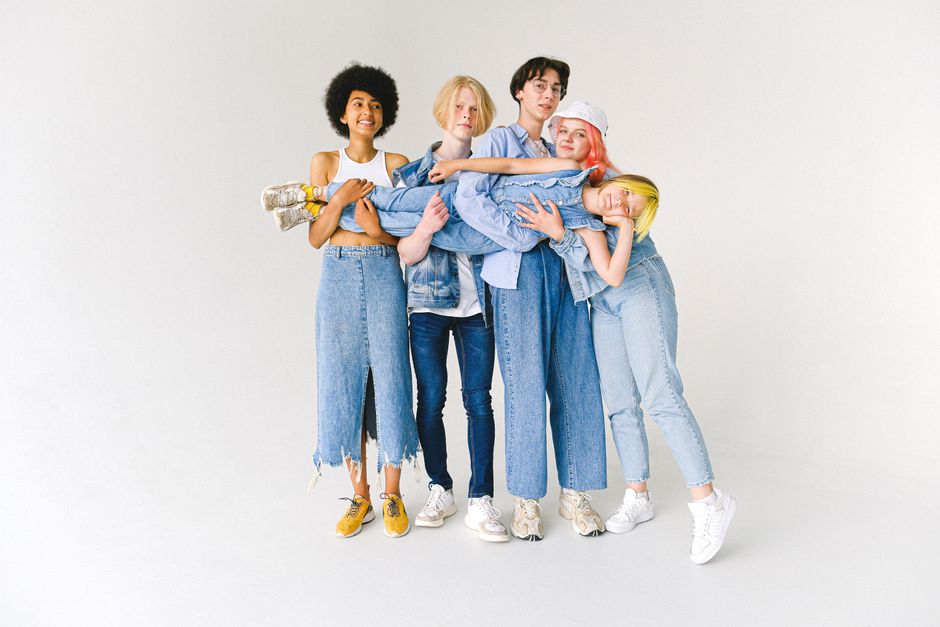
My pick for the most convincing all-around model is Nudie Jeans. The reason is not a perfect material score. It is the brand’s focus on keeping jeans in use through free repair shops, resale, donation, and recycling programs. That gives the sustainability claim a practical endpoint: the jeans do not have to become waste after the first serious tear.
Why Nudie Jeans earns the recommendation
The Lean Dean is a useful example for people who want a neat, tapered shape without a painted-on fit. Comparable versions use organic cotton comfort-stretch denim in weights around 11.75 to 13 oz, which offers more structure than thin fashion denim but remains wearable for daily use. Prices commonly sit near the premium-denim level, so the value depends on how long you keep the pair and whether you use the repair service.
When not to buy it
Do not buy Nudie Jeans if the fit is only almost right. A repair policy cannot fix a waistband that gaps, a rise that pinches, or a leg shape you dislike. Do not buy a rigid style expecting immediate softness, either. For a softer first wear, select comfort stretch or choose Outerknown’s 13 oz stretch construction instead. For a lower initial price, a secondhand pair from any durable brand is often the smarter purchase than a new premium pair.
This is not financial advice; it is a wardrobe cost test. If a $200 pair is worn twice, the cost per wear is $100. If it lasts through 100 wears, the cost per wear is $2 before repairs, which is why fit and durability deserve more attention than a small discount.
Mistakes That Cancel Out a Better Denim Purchase
Responsible denim still fails when shoppers buy the wrong size, wash it too often, or treat a label as proof of perfect ethics. These are the mistakes that cost the most in money and useful wear.
Five failure modes to avoid
- Buying for the label alone. A recycled percentage does not compensate for a poor fit or weak construction. Check the size chart, rise, inseam, pocket placement, and stretch content.
- Choosing excessive stretch. Jeans with a high elastane share can feel comfortable in the fitting room but lose recovery faster. If you want long wear, a low-stretch or rigid pair is usually the safer bet.
- Washing after every wear. Frequent hot washing fades color, strains elastane, and uses more energy. Air the jeans out and wash them cold only when they need it.
- Ignoring the wash. Heavy abrasions, whiskering, and strong fading may look vintage, but they can hide weakened fabric around the thighs and pockets.
- Assuming every guarantee is a repair service. A guarantee may exclude normal wear, alterations, or shipping. Read the terms before using the promise as a reason to pay more.
The better buying sequence
First choose the silhouette you will wear at least once a week. Then choose the most durable fabric that still feels comfortable. After that, compare the material breakdown, factory disclosure, repair route, and final price. This sequence prevents a common mistake: paying for a responsible claim attached to a pair that never leaves the closet.
My verdict is firm: a well-fitting secondhand jean that you wear constantly beats a new “sustainable” jean bought for its label and abandoned after one uncomfortable month.
Which Responsible Denim Should You Buy?
Is Nudie Jeans best for repairs?
Yes. Choose Nudie Jeans if your priority is keeping one pair in rotation through free repair support, resale, and recycling options. The Lean Dean is the best starting point for a tapered everyday fit. Choose a rigid style only if you accept a break-in period.
Is Outerknown best for a guarantee?
Yes. Outerknown S.E.A. Jeans are the clearest choice for shoppers who want a stated lifetime guarantee and a substantial 13 oz organic-cotton stretch fabric. The regular price around $168 is not cheap, but the guarantee gives the product a practical advantage. Check final-sale terms carefully because a discount can remove return rights.
Is Kings of Indigo best for recycled content?
Yes. Kings of Indigo Liora gives the cleanest material example in this comparison: 50% pre-consumer recycled cotton and 50% organic cotton, with a listed price around €135 and a three-year repair warranty. Pick it if you want a straight, rigid jean and can live with less immediate stretch.
What is the smartest low-cost alternative?
Buy secondhand first. A used pair from Nudie Jeans, Levi’s, MUD Jeans, or another well-made label avoids the environmental cost of producing another new garment and lets you judge real wear before buying. If you need a new pair, spend on fit, fabric weight, and repair access rather than a decorative sustainability hangtag.
Bottom Line: Nudie Jeans is the best overall choice for repair-minded shoppers, Outerknown is best for a lifetime guarantee, and Kings of Indigo is the strongest pick for a clearly stated recycled-and-organic blend.
The most responsible denim purchase is the pair that fits immediately, survives regular wear, and stays in your wardrobe long enough to justify its full cost.
Related Posts

How to Choose a Handbag for Your Body Type and Life
The best handbag is not the biggest, trendiest, or most…

2026 Spring Outfit Trends for Petite Frames That Flatter
Spring trends look better on a petite frame when the…

15-Item Wardrobe Experiment: What Changed in a Month
A smaller wardrobe does not automatically make someone more stylish.…