Looking for second-hand clothing in Pretoria without wasting a Saturday driving between random shops? Start with one area, set a firm budget, and inspect every garment before paying. This route covers where to look, how to judge quality, and which thrift finds deserve space in your wardrobe.
Where to find second-hand clothing in Pretoria
Hatfield is the best first stop for fashion-led thrifting because it is easy to reach, close to the University of Pretoria, and more likely to have curated vintage pieces. Charity shops work better when you want low prices, practical basics, or a chance to support a local cause.
Use a three-stop route
| Area or shop | What to look for | Useful detail |
|---|---|---|
| The Backdoor Thrift, Hatfield | Curated clothing, vintage pieces and accessories | 494 Hilda Street; check opening hours before travelling |
| CANSA Charity Shop, Rietfontein | Pre-loved clothing, shoes and household donations | 32 Lys Street; sales support CANSA services |
| Sungardens Hospice, Waterkloof Glen | Affordable clothing, handbags and mixed charity-shop stock | 18 Twig Street; stock changes with donations |
| Tshwane SPCA Charity Shop, Waltloo | Clothing, shoes, toys and practical low-cost finds | 316 Petroleum Street; phone before visiting |
Choose the right first stop
For standout fashion, choose The Backdoor Thrift. For the lowest possible spend, try charity shops first. Stock is not fixed, so a shop that produced nothing last week may have excellent denim, linen or leather this week. Take a phone charger, water and a reusable tote. Pretoria distances add up quickly, and carrying several bags through multiple stores becomes uncomfortable.
How to inspect thrifted clothes before buying
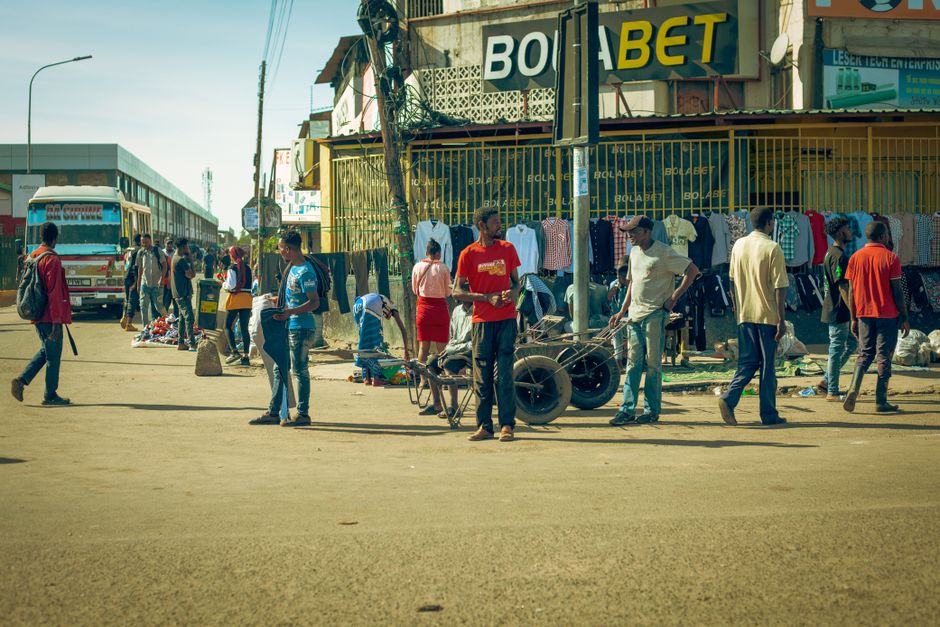
The strongest thrift habit is simple: never buy a garment because the colour is attractive from two metres away. Check it under good light, test the fabric with your hands, and inspect the areas that receive the most wear. A low price does not rescue a shirt with a stretched collar or trousers with a broken zip.
Run the five-point check
- Fabric: Hold wool, cotton, linen and denim up to the light. Thin patches, pulled threads and uneven fading show where the garment has weakened.
- Seams: Turn the item inside out. Look at the underarm, crotch, pocket and shoulder seams. Loose stitching is a repair task, not a small cosmetic flaw.
- Fastenings: Open every zip, press each button and check hooks. Replacement buttons are easy; a damaged specialist zip can cost more than the garment.
- Smell: Avoid strong damp, smoke or perfume odours that remain after airing. Odour can signal mould, deep storage damage or contamination.
- Fit: Try the item on with the clothes you normally wear. Check shoulder width, rise, sleeve length and movement before you imagine a perfect outfit.
Know which flaws are worth fixing
A missing button, loose hem or small inner seam can justify a R20 to R80 repair. Pilling across the whole front, sun damage on one shoulder, permanent underarm marks and leather that is cracking into flakes are different. Leave those pieces behind. The best thrift purchase needs one small adjustment, not a full rescue project.
How to thrift a full outfit on a R300 budget
Buy the foundation first, then add one interesting piece. That order keeps a bargain hunt from turning into a pile of unrelated clothes. A neutral cotton shirt, straight-leg trousers and a light layer can create several outfits; five loud tops cannot.
Use this spending plan
| Item | Target spend | What makes it useful |
|---|---|---|
| Shirt or simple knit | R40-R70 | White, navy, grey or a muted stripe works across outfits |
| Trousers or jeans | R80-R130 | Prioritise a sound zip, firm waistband and clean inner seams |
| Jacket, overshirt or cardigan | R80-R120 | Adds shape and makes basic clothing look styled |
| Accessory | R20-R50 | A belt, scarf or structured bag can change the outfit |
Shop in a fixed order
- Write down the outfit gap before entering: work trousers, a winter layer or weekend denim.
- Walk through every clothing rail once without buying. Note colours, sizes and fabric types.
- Try on no more than six pieces at a time. This keeps fitting-room decisions clear.
- Compare each item with at least three things already in your wardrobe.
- Keep R30 aside for transport, cleaning supplies or a small alteration.
If the right trousers cost R160, cut the accessory rather than buying a weaker pair. A garment worn twice a week beats three cheap pieces that never leave the cupboard.
Which thrifted brands and fabrics are worth picking up?
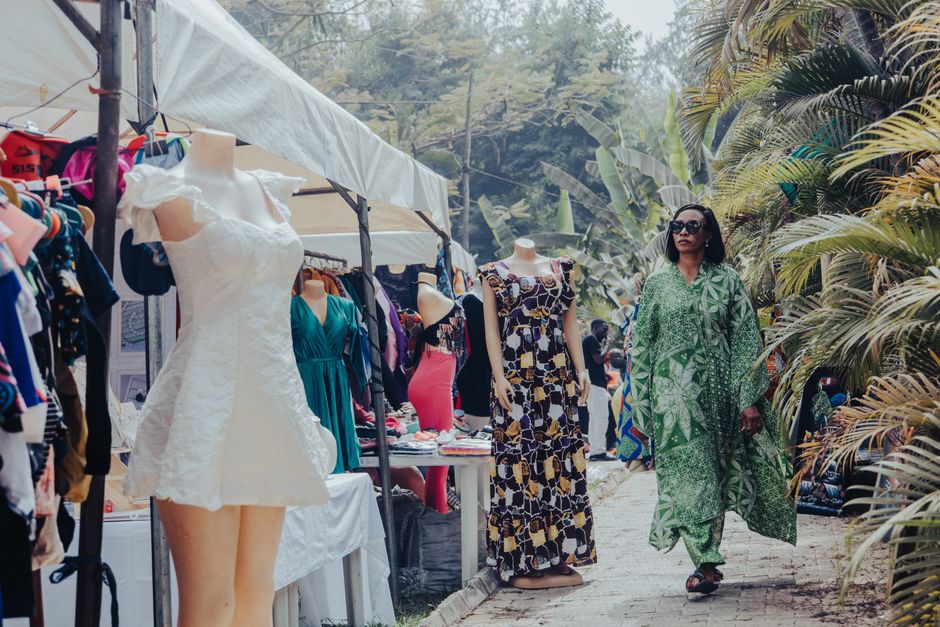
Brand names help, but fabric and condition matter more. A damaged designer label is still a bad purchase. For Pretoria’s warm summers and cooler winter mornings, look first for cotton, linen, wool blends, sturdy denim and well-made leather accessories.
Good labels to recognise
Look for a clean Levi’s 501 if the denim has no crotch thinning and the waist fits without pulling. A fair local thrift target is roughly R150-R350, depending on condition and originality. The Nike Air Force 1 can work at around R250-R600 second-hand when the sole is not separating and the heel lining is intact. For winter boots, the Dr. Martens 1460 is worth considering around R600-R1,500 if the leather is healthy and the outsole still has useful tread.
Check the fabric before the label
A 100% cotton shirt that costs R60 may serve you better than a famous polyester shirt at R180. Linen should show natural creasing but not brittle, threadbare areas. Wool should feel springy rather than flat and greasy. Denim should bend without revealing pale stress lines at the knees or seat. For trainers such as the Adidas Samba OG, inspect the toe crease, heel counter and sole edges; a fashionable pair with worn-through lining will become uncomfortable quickly.
Do not pay a premium for a label you cannot verify. Compare the stitching, care label, logo shape and material against official brand photographs before spending more than R500. For everyday clothing, fit and condition remain the deciding factors.
When a second-hand clothing bargain is not worth buying
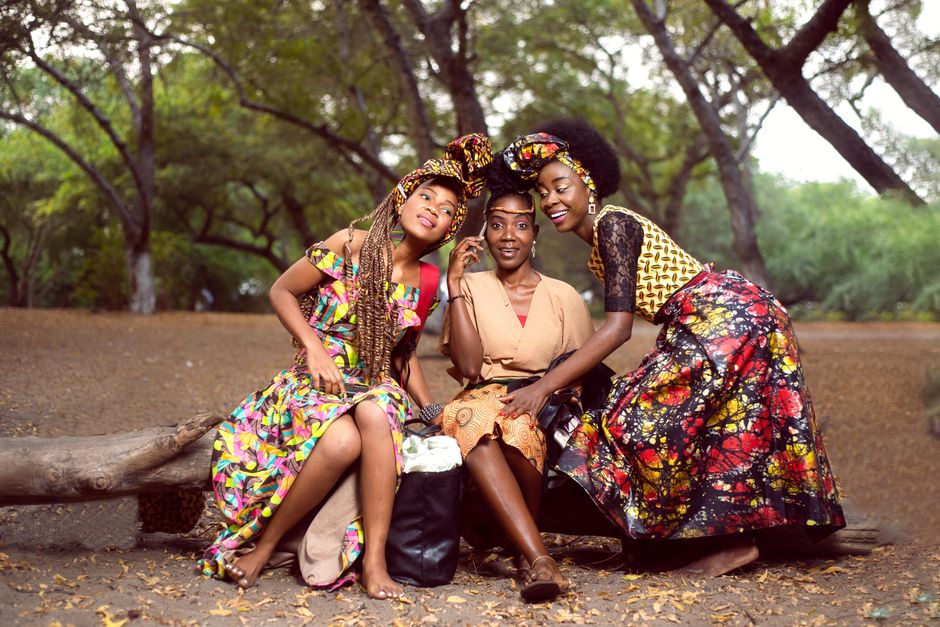
The cheapest item in the shop is not always the cheapest item in your wardrobe. A R40 dress that needs dry cleaning, tailoring and stain treatment can cost more than a clean R120 dress that fits immediately. Set a hard limit before you browse: leave any piece that needs more than one repair or more than one cleaning attempt.
Walk away from these warning signs
- Persistent mould, petrol, smoke or damp odour.
- White or green marks around zips, snaps or leather hardware.
- Elastic waistbands that have lost their stretch.
- Fabric so thin that you can see uneven light through high-wear areas.
- Broken care labels on garments that need specialist washing.
- Seams that pull open when you gently stretch the garment.
- Shoes with uneven heel wear, collapsed insoles or soles separating from the upper.
Know when new is the better choice
Buy new underwear, swimwear and badly worn activewear. Choose new safety-related items such as motorcycle gear or protective footwear. Also buy new when you need a precise uniform, a last-minute event outfit or a specific size that local thrift rails rarely carry. Second-hand shopping works best when it gives you quality, character and a lower cost at the same time. If one of those three is missing, keep your money and continue to the next rail.
Related Posts

Target A New Day Vs Old Navy Denim: 5 Target’s A New Day vs Old Navy Denim Myths That Cost You Money
Cheap jeans are not automatically bad jeans. That is the…
Mejuri vs. Gorjana: Best Everyday Gold Jewelry Compared
Mejuri and Gorjana both make polished gold jewelry for daily…
Huda Beauty Easy Blur Foundation Review
[unpaid/sample/affiliate/ad] I completely rejected the idea of ‘baking’ as a…