Which footwear investment provides the most consistent return on cost-per-wear across a five-year horizon? For most professionals and fashion enthusiasts, the answer remains the leather loafer. As we move into 2026, the market has bifurcated into two distinct engineering philosophies: the ultra-lightweight ergonomic slip-on and the heavy-duty, heritage-inspired lug sole. Selecting the right pair requires more than an aesthetic preference; it demands an understanding of leather tanning processes, sole composition, and the specific mechanics of the break-in period. This analysis examines the leading contenders for the title of best loafers for women in 2026, prioritizing structural longevity and anatomical support over transient trends.
Evaluating the structural integrity and material composition of modern loafers
The durability of a loafer is largely determined by its construction method, a detail often obscured by marketing copy. In 2026, we see a resurgence of the Goodyear welt in high-end women’s footwear, a process where a strip of leather is sewn to both the upper and the insole, allowing for multiple resoling cycles over the shoe’s lifespan. While this adds initial stiffness, the long-term utility is unmatched. Conversely, the Blake stitch method remains popular for sleeker, more flexible office loafers. It provides immediate comfort but offers less water resistance and a more complex resoling process. When examining a potential purchase, inspect the stitching along the perimeter of the sole; a decorative stitch is common in lower-priced models, whereas a functional welt will feel substantial and slightly raised.
Leather quality and sustainable alternatives in 2026
Material science has progressed significantly, leading to the widespread adoption of bio-based leathers that rival traditional calfskin in tensile strength. Full-grain leather remains the gold standard for breathability and the development of a unique patina, but lab-grown mycelium leathers are now appearing in premium collections from brands like Stella McCartney and Ganni. These alternatives are no longer mere novelties; they offer consistent grain patterns and high resistance to scuffing. For those prioritizing traditional materials, vegetable-tanned leathers are preferable for their lack of harsh chromium chemicals, though they require a more disciplined conditioning routine to prevent drying and cracking in climate-controlled office environments.
Sole technology and impact distribution
The shift toward “walking-centric” fashion has forced designers to integrate athletic-grade cushioning into formal silhouettes. Look for loafers featuring dual-density TPU (thermoplastic polyurethane) soles or Vibram Vi-Lite components. These materials provide the visual weight of a traditional rubber sole without the burdensome mass that leads to premature leg fatigue. Anatomical footbeds with reinforced arch support are now standard in the mid-to-high-tier market, reducing the need for aftermarket orthotic inserts. A well-constructed loafer in 2026 should feel balanced, with the center of gravity located directly under the midfoot rather than the heel.
Best lug-sole and chunky loafers for durability and style
The chunky loafer has transitioned from a seasonal trend to a wardrobe staple, valued for its ability to add height and a modern edge to traditional tailoring. These shoes are characterized by exaggerated tread patterns and substantial midsoles. However, the primary complaint regarding this category is weight. A heavy shoe can alter your gait, leading to shin splints or lower back discomfort over a full day of wear. The most successful models in 2026 utilize blown-rubber technology or hollow-core heels to mitigate this issue. Below is a comparison of the top-performing chunky models currently on the market.
| Model Name | Approx. Price | Core Material | Weight Rating |
|---|---|---|---|
| Prada Monolith Loafer | $1,250 | Brushed Leather / Nylon | Medium (EVA Sole) |
| Ganni Recycled Rubber Loafer | $395 | Recycled Rubber / Leather | Heavy |
| Dr. Martens Penton Quad | $180 | Polished Smooth Leather | Very Heavy |
| Koio Brera Lug | $325 | LWG-Certified Leather | Lightweight |
Prada Monolith: The engineering benchmark
The Prada Monolith remains the definitive chunky loafer due to its use of expanded rubber (EVA) in the sole. This material provides significant volume without the density of traditional vulcanized rubber. The primary advantage of the Monolith is its surprisingly high energy return, making it suitable for urban environments where walking on concrete is unavoidable. The brushed leather upper is highly resistant to moisture, though it can be prone to creasing at the vamp if not stored with cedar shoe trees. A notable disadvantage is the price point, which reflects brand equity as much as material cost.
Dr. Martens Penton: The heritage workhorse
For those seeking maximum durability under $200, the Dr. Martens Penton Quad is a formidable option. Utilizing the brand’s signature air-cushioned sole, it offers excellent slip resistance and oil-resistant properties. The “Smooth” leather is notoriously stiff, requiring a significant break-in period that can last up to three weeks of intermittent wear. Once the leather softens, however, the shoe molds to the foot with high precision. The weight is a significant factor; at nearly 800 grams per shoe, it is not recommended for those with long commutes involving significant stairs.
Top-tier slim and professional loafers for corporate environments
In professional settings where a lug sole may feel too aggressive, the slim-profile loafer provides a refined alternative. These shoes prioritize a low-vamp design and a tapered toe box, creating a streamlined silhouette that pairs effectively with cigarette trousers or pleated skirts. The focus here is on the quality of the leather and the finesse of the hardware. 2026 has seen a move away from oversized logos toward subtle, integrated metallic details. Comfort in this category is achieved through high-quality internal linings, often made of glove-soft lambskin or unlined suede for a “second-skin” feel.
Gucci Jordaan vs. Brixton: A technical comparison
Gucci continues to dominate the luxury loafer space with the Jordaan and Brixton models. The Jordaan features a stiffer construction with a traditional firm heel counter, providing better lateral support for those who overpronate. The Brixton, conversely, is designed with a collapsible heel, allowing it to be worn as a mule. While the Brixton offers greater versatility, the thinner leather required for the collapsible feature means it will lose its shape faster than the Jordaan. The Jordaan is the superior choice for longevity, provided you are willing to invest in a cobbler-installed rubber sole protector to prevent the leather outsole from wearing through.
Tod’s Gommino and the evolution of the driving shoe
While technically a driving moccasin, the Tod’s Gommino is frequently utilized as an office loafer. For 2026, Tod’s has updated the pebble-sole design to include more substantial rubber pods that extend further up the heel, reducing the rate of abrasion when walking on abrasive surfaces. These shoes are exceptionally comfortable for short distances but lack the shank support necessary for all-day standing. They are best suited for individuals who spend the majority of their day at a desk or who require a high-quality “commuter shoe” to swap into at the office. The suede variants are particularly susceptible to water damage and require a high-quality hydrophobic spray treatment before the first use.
The hallmark of a high-end professional loafer is the absence of visible glue at the seam where the upper meets the sole. Precision stitching is the only reliable indicator of a shoe that can be repaired rather than replaced.
High-performance loafers under $200: balancing cost and longevity
Finding a high-quality loafer at a lower price point requires looking for brands that skip traditional retail markups or focus on simplified construction. In 2026, the “direct-to-consumer” model has matured, offering consumers access to Italian and Spanish craftsmanship at accessible prices. The key is to avoid “fashion leather”—which is often a thin layer of leather bonded to a plastic backing—and instead look for top-grain or nubuck options. These materials will breathe and stretch naturally, ensuring the shoe remains comfortable as your feet swell throughout the day.
Everlane The Day Loafer: Practicality and suppleness
Everlane’s Day Loafer is priced at approximately $150 and is engineered for immediate comfort. The leather is exceptionally soft, almost mimicking a ballet flat in its flexibility. This lack of structure is its greatest strength and its primary weakness; while there is zero break-in period, the shoe provides very little ankle or arch support. It is an ideal choice for those with wider feet who often find traditional loafers too restrictive. The 100% Italian leather upper is impressive for the price, though the sole is relatively thin and may need replacing after 12-18 months of heavy use.
G.H. Bass Weejuns: The original penny loafer
G.H. Bass remains the most credible budget option for those who appreciate the “Preppy” aesthetic. The Weejuns are typically made using a genuine moccasin construction, where a single piece of leather wraps around the bottom of the foot to form the insole and the sides. This creates a durable, glove-like fit. At a price point of $110-$140, they offer remarkable value. The leather is often corrected-grain, meaning it has a high-shine, plastic-like coating that resists stains but can develop white cracks over time if not treated with specialized creams. They are a stiff shoe initially but represent the best entry point into the world of heritage footwear.
- Everlane The Day Loafer: $150. Pro: No break-in period. Con: Minimal arch support.
- G.H. Bass Weejuns: $125. Pro: Classic construction, very durable. Con: Stiff leather.
- Madewell Bradley Loafer: $128. Pro: Modern silhouette, good cushioning. Con: Sizing runs narrow.
- Sam Edelman Loraine: $150. Pro: Excellent Gucci alternative. Con: Synthetic sole wears down quickly.
Technical styling considerations for various pant silhouettes and hemlines
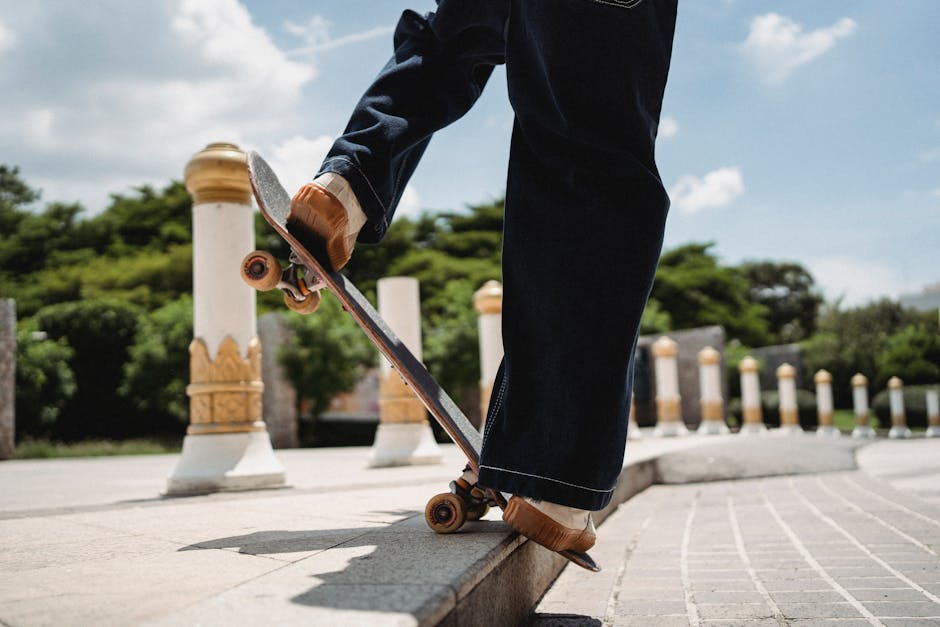
The aesthetic success of a loafer depends heavily on the “break” of the trouser and the width of the leg opening. A common mistake is pairing a heavy lug-sole loafer with a very slim, tapered pant, which can create a disproportionate “clown shoe” effect. In 2026, the trend has shifted toward wider, floor-skimming trousers or cropped, straight-leg denim. For wide-leg trousers, a loafer with a slightly elongated toe box and a substantial heel is necessary to prevent the shoe from being swallowed by the fabric. The toe should remain visible even when in motion to maintain a clean visual line.
The physics of the sock-and-loafer combination
Wearing socks with loafers is no longer just a functional choice for cold weather; it is a deliberate styling element. From a technical standpoint, a thin mercerized cotton or silk-blend sock is ideal for professional loafers, as it reduces friction without adding bulk that could cause the shoe to feel tight. For chunky loafers, a heavier ribbed wool sock provides the necessary volume to fill the larger ankle opening often found in lug-sole models. Ensure that the sock height is sufficient to remain hidden under the trouser cuff when seated, or choose a bold color that creates a deliberate point of contrast. Avoid “no-show” socks that lack a silicone heel grip, as they will invariably slide down and cause blisters during extended walks.
Maintenance for long-term ROI
To maximize the lifespan of your 2026 loafers, a strict maintenance schedule is required. Leather is a biological material that loses moisture over time. Applying a high-quality cream conditioner every 10-15 wears will maintain the fiber’s elasticity and prevent cracking at the flex points. Furthermore, the use of cedar shoe trees is non-negotiable for high-end pairs. Cedar absorbs moisture and salt from perspiration, which can otherwise rot the leather lining and cause the shoe to lose its shape. By rotating your shoes—never wearing the same pair two days in a row—you allow the leather to dry completely, effectively doubling the lifespan of the footwear. A well-maintained pair of Gucci or Prada loafers should easily last a decade, making the initial high cost a sensible long-term investment.
Related Posts
Best Watches for Men at a Reasonable Price
The global watch market is worth over $90 billion, but…
Best XC Flat Shoes for Performance and Style 2024
p>The optimal selection for cross-country (XC) flat pedal footwear hinges…

10 Halloween Festival Outfits That Won’t Fall Apart by Midnight
Last year at Bloodstock Open Air, I watched a woman…