A breastfeeding mother can burn up to 500 calories a day just producing milk—roughly the equivalent of a five-mile run. This physiological feat often leads to what many call the “nursing sweats,” a sharp rise in core body temperature that makes fabric choice in postpartum clothing more than just a matter of aesthetics. When you are navigating the haze of the first few months, the best nursing romper isn’t just a fashion statement; it is a tool for thermal regulation and functional efficiency. The challenge lies in finding a garment that doesn’t require a total strip-down in a drafty bathroom while also providing the discrete access required for a hungry infant.
Defining the Nursing Romper: Functionality Beyond the Aesthetic
To the uninitiated, a romper is simply a one-piece garment that combines a top with shorts. However, for a lactating person, the geometry of a standard romper is a logistical nightmare. Traditional rompers often feature back zippers or high necklines that necessitate removing the entire outfit to feed. A true nursing-friendly romper reimagines this architecture. It prioritizes “nursing access,” which refers to the specific openings designed to allow a baby to reach the breast without the mother exposing her entire torso or abdomen.
Designers generally achieve this through three primary methods: the lift-up overlay, the hidden side zipper, and the deep V-neck with a modesty panel. Each has its own set of trade-offs. The lift-up style is often the most discrete but can feel bulky due to the extra layer of fabric. Side zippers offer a cleaner silhouette but can be difficult to operate with one hand while holding a fussy baby. The deep V-neck, or surplice style, is the most intuitive but often requires a high-quality elastic that won’t lose its shape after being pulled down hundreds of times. Understanding these mechanical differences is the first step in moving past the marketing jargon and finding a piece that actually serves your daily routine.
Top-Rated Nursing Rompers Compared: Fabric, Price, and Access

Selecting the right garment requires a look at the data. I have analyzed five of the most prominent options on the market based on their material composition, price point, and the specific mechanism they use for breastfeeding access. The table below provides a snapshot of how these leading brands stack up against one another in terms of technical specifications.
| Brand & Model | Approx. Price | Primary Material | Access Type |
|---|---|---|---|
| Kindred Bravely Eleanora | $75 – $85 | 95% Bamboo Viscose | Lift-up Layer |
| Latched Mama Sporty Romper | $50 – $60 | 95% Cotton / 5% Spandex | Hidden Side Zips |
| Storq Anytime Romper | $90 – $100 | Modal / Spandex Blend | Pull-down Neckline |
| PinkBlush Smocked Romper | $60 – $70 | Rayon / Polyester | Buttons / Snap-down |
| Hatch The 24/7 Romper | $140 – $160 | Pima Cotton | Button Front |
Kindred Bravely Eleanora Bamboo Romper
This model is frequently cited for its softness. The bamboo viscose is exceptionally breathable, which addresses the caloric heat production mentioned earlier. Pro: The fabric feels cool to the touch and drapes well over a postpartum midsection. Con: The weight of the bamboo can cause the pockets to sag if you put anything heavier than a pacifier in them.
Latched Mama Sporty Nursing Romper
Latched Mama focuses heavily on the “stealth” aspect of nursing wear. Pro: The side zippers are virtually invisible, making this look like a standard athletic romper. Con: The cotton-spandex blend can feel a bit thick and less “premium” than modal or bamboo alternatives.
The Physics of Nursing Access: Which Mechanism Works?
When you are operating on four hours of broken sleep, the friction of a zipper or the tension of a snap matters. The lift-up access, found in the Kindred Bravely model, is widely considered the gold standard for ease of use. It involves a cropped top layer that you pull up, revealing an inner layer with large armholes or slits. This setup allows you to keep your midsection covered—a priority for many during the early postpartum weeks—while giving the baby full access. However, the extra layer of fabric can be a drawback in peak summer humidity.
Hidden zippers, conversely, offer a more streamlined look. You don’t have the “double-layer” aesthetic that screams “nursing clothes.” The downside is the “one-hand test.” If you cannot unzip the garment while supporting a seven-pound infant, the design has failed its primary purpose. High-quality nylon zippers are essential here; metal zippers are too abrasive for a baby’s skin and are prone to catching. Then there is the surplice or wrap style. This is the most “fashion-forward” look, but its success depends entirely on the recovery of the elastic. If the neckline stretches out after three feedings, you are left with a garment that no longer provides adequate coverage.
A key detail to look for in any nursing romper is the “gusset.” Because you will likely be wearing this around the house and potentially for light exercise, a reinforced gusset prevents the fabric from riding up and ensures the garment moves with you rather than against you.
Fabric Science: Why Modal and Bamboo Dominate the Market

The transition from polyester-heavy maternity wear to high-performance postpartum fabrics is a significant shift in the industry. Modal and bamboo viscose are semi-synthetic fibers made from reconstituted cellulose. They are prized in the nursing community for their hygroscopic properties—they can absorb up to 50% more water than cotton without feeling damp. For a mother dealing with milk leaks or postpartum night sweats, this is a functional necessity.
Modal, specifically, is known for its resistance to shrinkage and pilling. Given that nursing rompers are subjected to frequent washing—often on high-heat cycles to sanitize them from baby spit-up—durability is a major factor in the total value of the garment. Pima cotton, used by high-end brands like Hatch, offers a different kind of luxury. It has longer fibers than standard cotton, resulting in a smoother surface and a more substantial feel. While it doesn’t have the same moisture-wicking capabilities as bamboo, it holds its shape better over time, making it a better choice for those who want a romper that looks more like “real clothes” and less like pajamas.
Comparing Fiber Durability
- Bamboo Viscose: High breathability, prone to pilling if not washed in a mesh bag.
- Modal: Excellent color retention, resists shrinking, very soft.
- Pima Cotton: High tensile strength, feels structured, may require ironing.
- Rayon Blends: Inexpensive, but often lose softness after 10-15 washes.
Transitioning from Pregnancy to Postpartum: The Longevity Factor
The most sustainable and cost-effective approach to maternity fashion is the “bridge” garment—something that fits a third-trimester bump and a six-month-postpartum body. Rompers are uniquely suited for this because of their typically relaxed fit through the hips and waist. However, not all rompers are created equal in this regard. A romper designed specifically for nursing often lacks the vertical room needed for a full-term belly.
If you are looking for a piece to wear during both stages, look for “maternity-to-nursing” labels. These usually feature a higher percentage of spandex (at least 5-8%) and a dropped crotch or extra length in the torso. The Storq Anytime Romper is a prime example of this versatility. It lacks a defined waist, allowing the fabric to expand over a bump and then drape effortlessly once the baby arrives. The trade-off for this versatility is a lack of structure. Without a defined waist or tailored seams, these garments can sometimes look shapeless. To combat this, many women use a light denim jacket or a button-down shirt tied at the waist to add definition during the postpartum phase.
Styling Strategies: How to Dress Up a Nursing Romper
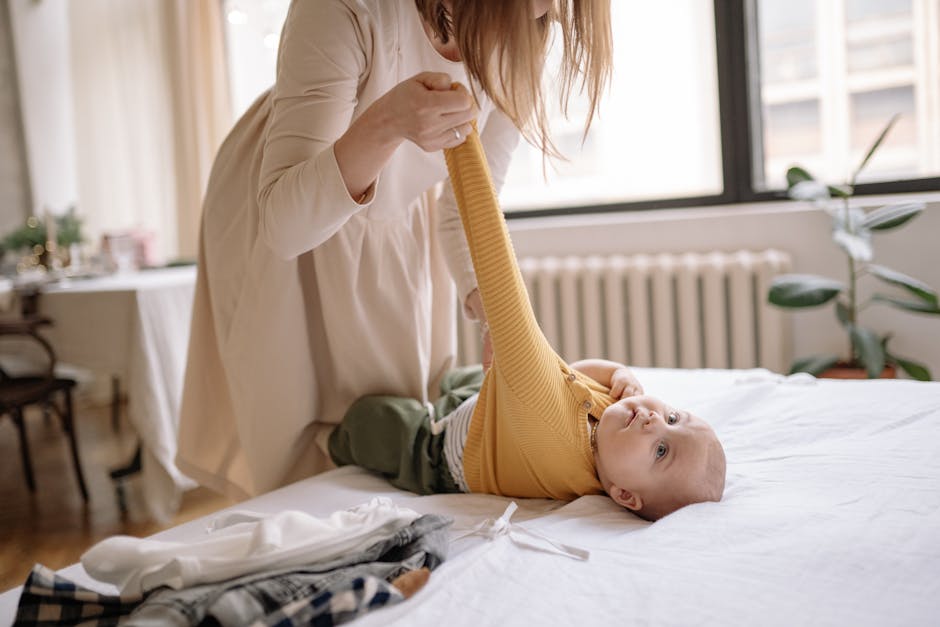
One of the biggest complaints about nursing-specific clothing is that it can feel like “mom uniform”—functional but uninspiring. Breaking this cycle requires a bit of intentional styling. A black bamboo romper, while comfortable for sleeping, can be transformed into an outfit suitable for a lunch date or a doctor’s appointment with a few tactical additions. The key is to distract from the nursing access points while highlighting the silhouette.
Footwear plays a disproportionate role here. Pairing a romper with Birkenstocks or athletic slides keeps it firmly in the “loungewear” category. Swapping those for a pair of pointed-toe flats or clean white leather sneakers immediately elevates the look. For rompers with a lift-up layer, adding a long, thin necklace can help break up the horizontal line of the fabric overlap. If the romper has a deep V-neck, a silk scarf tied around the neck can provide extra coverage and a pop of color. Layering is also essential. A structured blazer over a modal romper creates a contrast between the soft, draped fabric and the sharp lines of the jacket, making the outfit feel intentional rather than accidental.
Quick Styling Tips
- The Third Piece Rule: Always add a jacket, cardigan, or statement accessory to make the romper look like a complete outfit.
- Belt Wisely: If the romper has a drawstring waist, replace the fabric string with a thin leather belt for a more polished appearance.
- Monochromatic Layers: Match your outer layer to the color of your romper to create a long, slimming line that feels more sophisticated.
Longevity and Care: Protecting Your Investment
Nursing rompers are high-traffic garments. They face a unique set of challenges: lanolin stains from nipple creams, breast milk fats, and the general wear and tear of being worn for 12 to 18 hours at a time. To ensure the best nursing romper lasts through your entire breastfeeding journey (and potentially for a second child), care protocols must be strictly followed. Most of these high-performance fabrics—especially bamboo and modal—are sensitive to heat.
Lanolin and milk stains are protein-based and oil-based, respectively. They require immediate attention. Using a dedicated enzyme-based spot cleaner before throwing the romper in the wash can prevent permanent yellowing. Avoid using fabric softeners on bamboo or modal; these chemicals coat the fibers and significantly reduce the fabric’s natural breathability and moisture-wicking properties. Instead, use a half-cup of white vinegar in the rinse cycle to maintain softness and remove odors. Always air dry when possible. If you must use a dryer, use the lowest heat setting. High heat breaks down the spandex fibers, leading to that dreaded “baggy” look in the knees and seat of the romper.
The market for nursing-friendly apparel has evolved significantly. We are no longer limited to oversized t-shirts and awkward clip-down tanks. The modern nursing romper represents a synthesis of textile science and empathetic design. By focusing on the mechanics of access, the integrity of the fabric, and the versatility of the silhouette, you can find a piece that supports your body’s incredible work without sacrificing your personal style. It is about finding that balance between the 500-calorie-a-day physical demand and the desire to feel like a person, not just a milk source.
Related Posts

Best Winter Fashion Accessories for Cold Weather Style 2024
The architecture of a winter wardrobe is built from the…
Best XC Flat Shoes for Performance and Style 2024
p>The optimal selection for cross-country (XC) flat pedal footwear hinges…

Best Loafers for Women 2026: Professional and Casual Footwear Reviews
Which footwear investment provides the most consistent return on cost-per-wear…