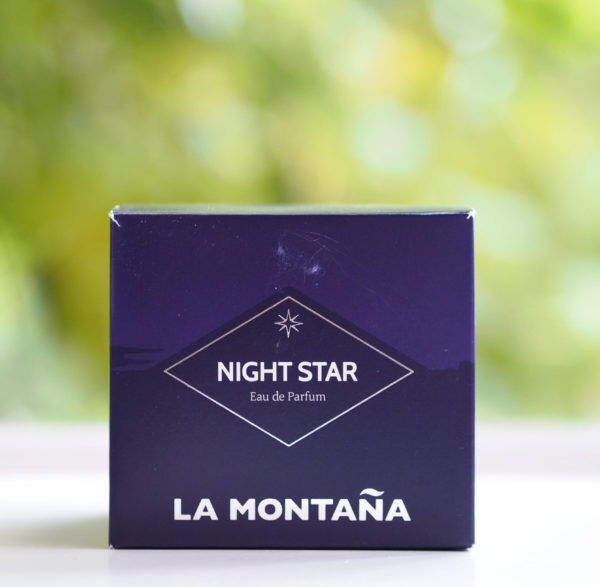
Most people assume any fragrance with “night” in the name is just oud and musk cranked to maximum — something designed to signal mystery without actually delivering it. That assumption almost cost me one of the best evening fragrances I’ve found in years. La Montana Night Star doesn’t look special on paper. The brand is small, flies well under the radar compared to Tom Ford or Creed, and the bottle doesn’t demand your attention at a counter.
Six months of regular evening wear later, Night Star has displaced Tom Ford Black Orchid and Maison Margiela Replica Jazz Club from their rotation spots in my collection. I’m running 40+ bottles. I’m not easily moved. Here’s what Night Star actually delivers — and exactly who should skip it.
What Night Star Actually Smells Like — And Why the Notes List Won’t Prepare You
Official fragrance notes lists are written by marketing departments, not perfumers. They tell you what to imagine, not what to expect. Night Star’s notes list reads like a dozen other dark evening fragrances you’ve already passed over. The actual wearing experience doesn’t.
What makes Night Star structurally distinct is how it opens. Most dark EDPs drop you directly into their heavy heart notes from the first spray — dense, warm, nowhere to go but warmer. Night Star opens with restraint and earns its weight gradually over the first hour. That’s a meaningful difference in experience, and it’s why comparing it to something like Dior’s Oud Ispahan ($385/75ml) on paper tells you almost nothing useful about either fragrance.
The best way to understand Night Star isn’t through its ingredient list. It’s through how the fragrance behaves across the full duration of a wear — how it evolves, what it becomes, where it lives on your skin versus in the air around you. That’s the actual story of any fragrance worth buying.
The Opening: A Dark Fragrance That Actually Breathes
The top notes arrive with unexpected clarity. There’s a cool, slightly metallic brightness at the very start — bergamot-adjacent, possibly with a touch of green or violet leaf — that prevents the opening from feeling immediately heavy or claustrophobic. Most dark evening fragrances skip this phase entirely and drop you into the heart. Night Star uses it as a structural feature.
This phase lasts around 15–20 minutes before the character begins its shift. If you ever get the chance to smell Night Star on a blotter before buying, this is the moment worth experiencing first — it’s what separates it from the category in a way that’s hard to communicate without actually smelling it.
The Heart: The Phase That Decides Everything
The middle phase develops over 30–45 minutes and dominates the first half of the wear. Dark florals — rosy, slightly smoky, not sweet — arrive alongside what reads as genuine sandalwood rather than synthetic wood filler. In spirit, this phase sits closest to Serge Lutens Nuit de Cellophane (~$150/50ml), though Night Star runs warmer, denser, and considerably more substantial. Cellophane is a suggestion. Night Star is a deliberate presence.
The floral note in the heart is where opinions divide. Some wearers find it old-fashioned or more feminine than they wanted. That’s a valid reaction — it’s a distinct, unmistakable floral element, not buried or blended into the background. If you’ve historically bounced off floral hearts in dark fragrances, that’s an important flag before committing to a blind buy.
One application note worth knowing: spray Night Star on slightly damp skin right after a shower and the heart phase blooms louder and more expansive. On dry skin in a warm room, the same fragrance stays closer to skin level throughout — quieter and more intimate. Both versions are good. They’re just different experiences of the same fragrance.
The Dry-Down: Why People Become Repeat Buyers
Hours three through eight are where Night Star builds its following. The fragrance dries to a warm musk-and-resin blend that’s genuinely comfortable without tipping into generic. Light amber warmth underneath, with something that reads like quiet incense threading through the base. This is the phase most evening fragrances aim for and miss. Night Star gets there and holds it. You catch it when you move, when someone leans close, when you pull your jacket off well past midnight. That’s exactly where a night fragrance belongs.
Longevity and Projection: Real Numbers from Real Wear
Sillage and longevity on Night Star vary more than average depending on application method and conditions. These numbers come from repeated wearings tracked across different situations — not single-day estimates:
| Condition | Projection | Longevity | Best For |
|---|---|---|---|
| Cool/cold weather, skin | Moderate–High | 8–10 hours | Autumn and winter evenings |
| Warm weather, skin | Low–Moderate | 5–7 hours | Cooler summer nights only |
| Post-shower, damp skin | High | 9–11 hours | Dates, occasions, events |
| Dry skin, no moisturizer | Low | 4–6 hours | Understated, close-range wear |
| Fabric application (jacket collar) | Moderate | 12–16 hours | Long events, extended nights |
The fabric application data is the practical insight most reviews miss. One spray on a jacket collar outlasts three sprays on skin and often reads cleaner as it dries — the base notes sit smoother on fabric than directly on skin for most wearers. If you want consistent performance across a full night without reapplying, collar or inner-cuff application is the move.
Night Star’s warm-weather performance isn’t a disaster — it’s just quieter. The longevity drops and the projection tightens, but the scent itself still reads well. Some wearers deliberately use it at lower intensity during warmer months for understated evening wear. That’s a legitimate use case if you’re already committed to the bottle.
For reference: Tom Ford Noir EDP (~$175/50ml) gives comparable hours but projects heavier and sweeter from start to finish. Maison Margiela Replica Jazz Club EDT (~$175/100ml) peaks around six hours and sits in a considerably more casual register. Night Star is more formal and intimate than either — not a daily driver, not a crowd-pleaser, but exactly right for the occasions it’s built for.
Three Rules That Apply to Every Heavy EDP — Not Just This One
Getting these right matters more than most buyers realize. They add hours to longevity and meaningfully change projection on any dark, resinous fragrance. Skip them and you’re paying full price for partial results.
- Moisturize before you spray. Dry skin absorbs fragrance faster and holds it shorter. An unscented lotion — CeraVe Daily Moisturizing Lotion ($15 at any pharmacy) is the standard recommendation because it has zero scent conflict and absorbs quickly — applied ten minutes before spraying adds two to four hours of longevity to most EDPs. This single habit matters more than switching between any two fragrances at a similar price point. It’s also the change that new fragrance buyers most consistently skip and most consistently regret.
- Cap it at three sprays maximum on any heavy EDP. Dark fragrances project differently from fresh or aquatic ones. The person in an elevator who fills the space before the doors close is almost always wearing something heavy. Night Star at two sprays on the chest and one on the inner wrist is noticeable, present, and appropriate. Three sprays total is the ceiling before it becomes other people’s environment rather than yours.
- Stop rubbing your wrists together. The most persistent bad habit in fragrance application. Friction generates heat that evaporates delicate top-note compounds before they can develop. With Night Star specifically, the opening phase is one of its standout features — destroying it costs you a real part of what you paid for. Spray and leave it alone entirely.
Night Star vs. Its Direct Competitors: Where It Actually Fits
| Fragrance | Character | Longevity | Price | Occasion |
|---|---|---|---|---|
| La Montana Night Star EDP | Dark floral, woody, musky | 8–10 hrs (cool weather) | Mid-range niche | Evening, autumn/winter, dates |
| Tom Ford Black Orchid EDP | Dark floral, truffle, vanilla | 9–12 hrs | ~$170/50ml | Formal evenings, winter |
| Serge Lutens Nuit de Cellophane | Sheer floral, transparent musk | 5–7 hrs | ~$150/50ml | Evening, warmer months |
| Byredo Black Saffron EDP | Saffron, leather, cedar | 7–9 hrs | ~$240/50ml | Evening, all seasons |
| Maison Margiela Replica By the Fireplace EDP | Chestnut, wood, clove, vanilla | 6–8 hrs | ~$175/100ml | Autumn/winter, casual evenings |
Night Star sits closest to Tom Ford Black Orchid in overall character — dark, deliberate, built on the same dark-floral-over-warm-wood architecture. Black Orchid is extremely recognizable at this point and runs noticeably sweeter. If you want the same general DNA with more restraint and considerably less brand ubiquity on the wrist, Night Star is the cleaner alternative.
Against Byredo Black Saffron ($240/50ml), Night Star is more livable across a full wear. Black Saffron leads with a leathery saffron hit that’s genuinely polarizing — people love it immediately or find it abrasive from the first spray, with not much middle ground. Night Star doesn’t challenge the nose like that. It’s the easier fragrance to wear across a long evening without fatiguing yourself or the room.
Serge Lutens Nuit de Cellophane is the right pick if you want something in the same fragrance family but significantly quieter and more transparent. Cellophane operates at skin-scent level from the start and typically disappears by hour six. Night Star outperforms it on both longevity and projection by a real margin. The choice between them comes down to one question: do you want a suggestion or a presence?
Who Should Skip Night Star — And What to Get Instead
Don’t buy it as a daily fragrance. Night Star is purpose-built for occasions — dinner parties, date nights, evenings that mean something. The intimacy and weight that make it excellent in those moments are the same qualities that make it wrong for a Tuesday morning meeting or a midday errand run. For a dark EDP that genuinely works from day into evening without adjustment, Prada L’Homme Intense EDP (~$120/100ml) is a better purchase. Warmer and woodier than Night Star, professional enough for any setting, still interesting after dark.
Don’t buy it as your first niche fragrance. This isn’t gatekeeping — it’s practical. Night Star rewards people who already have a clear sense of what they like and don’t like in a fragrance. If your current rotation is Bleu de Chanel or Dior Sauvage and you want to explore something more complex, start with Tom Ford Oud Wood EDP (~$275/50ml). The learning curve is lower, the fragrance is more accessible as an entry point into resinous woods, and the community of wearers around it is large enough to guide your experience.
Don’t buy it if floral hearts are a consistent dealbreaker for you. The middle phase has a clear, assertive rosy-floral quality — smoky rather than sweet, but unmistakably floral. This is not a background accent. If you want dark and woody with no floral involvement at all, Initio Oud for Greatness (~$325/90ml) belongs on your shortlist instead. Completely different profile, same prestige tier.
And don’t spray it in July. Warm temperatures accelerate the heavier base compounds and the sillage tips from inviting to cloying faster than it should. Night Star is built for cool weather. That isn’t a limitation to work around — that’s the correct use case for a fragrance like this.
The Verdict
Night Star does exactly what the best evening fragrances are supposed to: it projects intelligently, evolves over time, and leaves people asking what you’re wearing rather than wishing you’d worn less. The person who nearly skipped it because an indie UK house with a generic-sounding name didn’t seem worth the risk was wrong about that. The name is the least interesting thing about this fragrance.
Related Posts

Aromatherapy Associates Atomiser Connect Review
The Aromatherapy Associates Atomiser Connect retails at £95 and competes…
Maybelline Super Stay Lumi Matte Foundation Review
[unpaid/sample/affiliate/ad] I think you’re going to see a lot about…
Nishane Tuberoza X Review
[unpaid/sample/affiliate/ad] You know you are in hallowed territory when the…