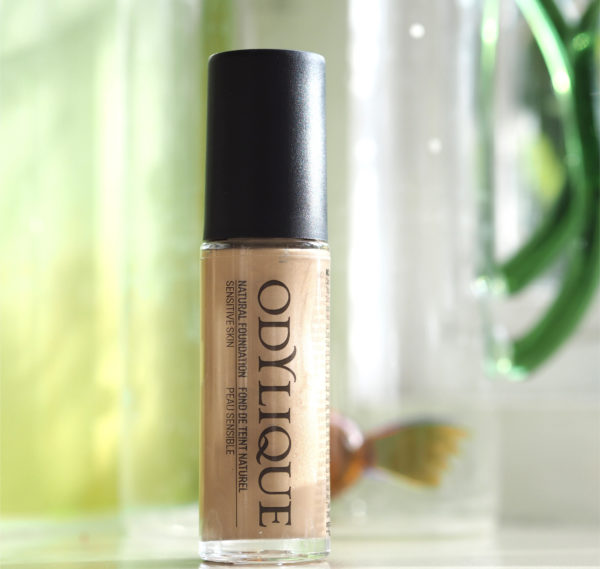
I’ve spent about $1,200 on foundation over the last five years. That’s roughly 40 bottles. Most of them ended up in a drawer after two uses. The one I keep repurchasing? Odylique Natural Foundation. Not because I’m a brand loyalist, but because it solved a problem drugstore formulas couldn’t touch: my skin stopped breaking out.
Here’s the thing nobody tells you about natural foundation: it’s not all equal. Some formulas oxidize into orange streaks. Others feel like chalk on your face. Odylique’s cream foundation ($38, 12g) is different. But it’s also not for everyone. Let me walk you through what I’ve learned after using it for three years straight, including the alternatives I keep in rotation.
What Makes Odylique Different From Every Other Natural Foundation
Most natural foundations use zinc oxide as the main pigment. That’s fine if you have normal to oily skin. But if you’re dry or sensitive, zinc oxide can suck every drop of moisture out of your face within an hour.
Odylique uses titanium dioxide and iron oxides instead, suspended in a base of jojoba oil and shea butter. That’s it. No talc, no bismuth oxychloride (which causes that itchy, burning sensation in mineral powders), no dimethicone. The ingredient list is 11 items long. Compare that to a typical drugstore foundation with 30-40 ingredients, half of which are preservatives and synthetic fragrances.
I found this out the hard way. I used BareMinerals Original Foundation ($34) for two years. It gave me cystic acne around my jawline every single month. I thought it was hormonal. Turns out, bismuth oxychloride is a known irritant for people with rosacea-prone skin. Switched to Odylique, and the cysts disappeared within three weeks.
The texture is where people get confused. It’s a cream-to-powder formula. It comes in a compact, and you apply it with a damp sponge or a dense brush. If you use a fluffy brush like you would for a loose powder, you’ll get zero coverage. That’s a common mistake I see in reviews. You need to press it into the skin, not sweep it across.
Coverage and Finish
It’s medium coverage, buildable to full if you layer it. The finish is satin — not matte, not dewy. I’d call it “your skin but better” if that phrase weren’t so overused. It stays on for about 6-7 hours on my combination skin before I need a touch-up on my nose. Oily skin types might get 4-5 hours without powder on top.
The Shade Range Problem
Here’s the honest downside: Odylique only makes 8 shades. The lightest shade (Fair) is a good match for NC15-20 skin. The darkest (Deep) is around NC45. If you’re deeper than that, this foundation will not work for you. No amount of blending will fix a shade that’s two tones too light. I’d rather tell you that upfront than have you waste $38.
For medium to tan skin tones, the shade range is decent. For very fair or very deep skin, look at the alternatives in section 4.
How I Apply It (Because Technique Matters More Than The Product)
I ruined my first compact of Odylique by applying it wrong. I used a dry beauty sponge and ended up with patchy, cakey coverage that settled into every fine line. Here’s what actually works.
Prep your skin first. This foundation is oil-based (jojoba oil is the second ingredient). If your skin is dry and you apply it on bare skin, it will grip onto dry patches. I use a water-based moisturizer like La Roche-Posay Toleriane Double Repair Moisturizer ($20), wait 2 minutes, then apply. If I use a silicone-based primer underneath, the foundation pills. So skip the primer or use an oil-free one.
Application tool matters more than with any other foundation I’ve tried.
- Damp beauty sponge: Gives light to medium coverage. Press and roll, don’t drag. This is my go-to for everyday wear.
- Dense kabuki brush: Gives full coverage. I use the Real Techniques Expert Face Brush ($9). Buff in circular motions, starting from the center of your face outward.
- Fingers: Not recommended. The cream warms up too fast and becomes greasy. You’ll end up with uneven application.
Set with a powder if you’re oily. I use Innisfree No-Sebum Mineral Powder ($10) on my T-zone, and it adds another 2 hours of wear. If you’re dry, skip the powder entirely. The foundation sets down on its own after about 60 seconds.
One thing I learned the hard way: do NOT use this foundation if you’re using a water-based serum underneath. The silicone-free formula doesn’t bond well with water-based layers. It will slide off within two hours. Stick to oil-based or oil-free moisturizers.
Three Alternatives That Beat Odylique In Specific Situations
I love Odylique, but it’s not a one-size-fits-all product. Here are three situations where I reach for something else.
When You Need More Shade Options: Lily Lolo Mineral Foundation ($30)
Lily Lolo makes 20 shades, from porcelain to ebony. It’s a loose mineral powder, not a cream. The formula uses zinc oxide as the main sunscreen agent (SPF 15), so it’s better for oily skin. I use it in summer when my skin gets oilier. It gives light to medium coverage and takes about 30 seconds to apply with a fluffy brush. Downside: it can look dusty if you apply too much. Tap the brush before applying.
When You Want A Dewy Finish: RMS Beauty Un Cover-Up ($36)
RMS is the opposite of Odylique. It’s a coconut oil-based cream that gives a luminous, dewy finish. I use it on days when my skin is dry or when I want that “glass skin” look. It’s sheer coverage — more like a tinted moisturizer. If you have acne scars or redness, this won’t cover them. It’s best for even-toned skin that just needs a little glow. The shade range is 12 shades, which is better than Odylique but still limited at the dark end.
When You Need Full Coverage: Kjaer Weis Cream Foundation ($56)
This is the splurge option. Kjaer Weis uses organic ingredients in a refillable metal compact. The coverage is full — I’ve used it to cover a red, angry breakout completely. It’s thicker than Odylique, so you need a dense brush and a bit of patience to blend. The finish is natural matte. It lasts 8+ hours on my combination skin. The shade range is 16 shades, with better options for deeper skin tones. The refill costs $36, which brings the price per gram down to about the same as Odylique.
| Foundation | Price | Coverage | Finish | Shade Range | Best For |
|---|---|---|---|---|---|
| Odylique Natural Foundation | $38 | Medium, buildable | Satin | 8 shades | Normal to dry, sensitive skin |
| Lily Lolo Mineral Foundation | $30 | Light to medium | Matte | 20 shades | Oily skin, wide shade range |
| RMS Beauty Un Cover-Up | $36 | Sheer | Dewy | 12 shades | Dry skin, minimal coverage needs |
| Kjaer Weis Cream Foundation | $56 | Full | Natural matte | 16 shades | Full coverage, deeper skin tones |
When You Should NOT Buy A Natural Foundation (And What To Get Instead)
Natural foundation isn’t the answer for everyone. I’ve seen people switch to clean beauty and end up more frustrated than before. Here’s when you should skip it.
If you need waterproof, 12-hour wear. Natural foundations don’t use silicone polymers or acrylic-based film formers. Those are the ingredients that make conventional foundations bulletproof. If you’re going to a wedding, a sweaty outdoor event, or a 14-hour workday, a natural foundation will fade or separate. Get Estée Lauder Double Wear ($48) instead. It’s not clean, but it will stay on through a hurricane.
If you have very oily skin. The oil-based formulas in natural foundations can make oily skin look greasier within 2-3 hours. I tried Odylique on a friend with oily skin, and she looked like a glazed donut by lunch. For oily skin, stick to mineral powders like BareMinerals Original Foundation ($34) or Fenty Beauty Pro Filt’r Soft Matte Powder Foundation ($38). These absorb oil instead of adding it.
If you need a precise color match. Natural brands have smaller shade ranges because they use fewer pigments. If you’re between shades or have neutral undertones, you’ll struggle. Drugstore brands like Maybelline Fit Me ($9) or L’Oréal Infallible ($15) have 30-40 shades. The trade-off is ingredient quality, but if the shade doesn’t match, nothing else matters.
If you’re on a tight budget. $38 for 12g works out to $3.17 per gram. That’s actually reasonable compared to luxury brands (Kjaer Weis is $4.66 per gram). But if you can’t spend more than $15, natural foundation isn’t realistic. Stick with drugstore and use the money you save on a good skincare routine instead.
The Verdict After Three Years Of Daily Use
Odylique Natural Foundation is the best option right now if you have normal to dry, sensitive skin and want a medium-coverage foundation that won’t break you out. It’s not the longest-wearing, it’s not the most shade-inclusive, and it requires specific application technique. But for the specific problem of “I want clean ingredients without looking like I’m wearing nothing,” it’s the one I keep coming back to.
If you have oily skin, get Lily Lolo. If you have dry skin and want glow, get RMS. If you need full coverage and have a deeper skin tone, get Kjaer Weis. The right natural foundation exists for every skin type — but you have to match the formula to your skin, not to the marketing.
Natural foundation won’t fix your skin. But it won’t make it worse either, and that’s more than most drugstore foundations can say.
Related Posts

Sculpted By Aimee Sun Mist SPF50 Review
Americans spent an estimated $1.9 billion on sunscreen in 2026,…
Lanolips 12-Hour Overnight Lip Mask Review
[unpaid/sample/affiliate/ad] I know that it’s very much a first world…
To The Fairest Cecile Candle Review
[unpaid/sample] It’s very rare to get anything more substantial than…