The surprising fact about winter wedding dressing is that your coat often makes the first impression and the last one guests remember. I have learned to plan the full outfit around the venue, dress code, and temperature instead of buying a pretty dress first and panicking about warmth later.
Start With the Dress Code, Not the Dress
Read the invitation for useful clues
My first step is always the invitation. Black tie means a floor-length dress, elegant jumpsuit, or formal tuxedo. Formal attire allows a refined midi dress or a tailored dark suit. Cocktail dress usually means a shorter hem, polished fabric, and dress shoes. If the invitation says festive, velvet, satin, metallic details, or rich color can work.
The venue adds another clue. A hotel ballroom usually calls for a sharper finish than a rustic barn. A church ceremony may require covered shoulders or a wrap. A city restaurant may suit a sleek midi dress with pointed shoes rather than a dramatic gown.
Use formality to narrow your colors
For evening weddings, I reach for burgundy, navy, espresso, forest green, or black. These shades look richer under winter lighting and photograph better than pale summer pastels. Daytime weddings give you more room for plum, dusty blue, deep rose, or soft gray.
Dress code first is the rule that prevents most guest outfit mistakes. A beautiful outfit still looks wrong if the hem, fabric, or accessories belong to a different level of formality.
Choose Warmth by Venue: A Practical Comparison

Use the venue temperature as your planning range
Winter weddings create a strange clothing problem: the ceremony, photographs, reception, and journey home may all feel different. I use the table below as a planning guide, then adjust for wind, snow, and how long I will stand outside.
| Venue and setting | Useful temperature range | Best outfit plan | Outer layer |
|---|---|---|---|
| Heated ballroom | 65–72°F indoors | Midi or floor-length dress with light hosiery | Wool coat or satin wrap |
| Church ceremony and indoor reception | 55–70°F with transition time | Long sleeves or a removable jacket | Structured coat plus thin scarf |
| Outdoor ceremony | 30–50°F for 20–45 minutes | Long dress, tailored trousers, or a lined jumpsuit | Insulated wool coat and gloves |
| Barn or converted warehouse | 45–65°F with cold floors | Velvet, wool, or lined separates | Long coat and closed-toe shoes |
Pick fabrics that hold their shape
Velvet, wool crepe, heavy satin, jacquard, and lined silk look appropriate in winter because they have visual weight. Thin jersey can work, but only when the cut is polished and the fabric does not cling at every layer.
Layer for the coldest ten minutes
Do not dress only for the heated reception. Plan for the walk from the car, the outdoor photographs, and the coat-check queue. A removable jacket, opaque tights, and closed shoes give more comfort than a bare-shoulder dress under a thin fashion coat. My verdict is simple: choose the outfit that survives the coldest part of the schedule, then remove one layer indoors.
The Short Answer: Keep the Base Outfit Simple and Dark
Choose one strong silhouette
My safest winter wedding formula is a clean midi or floor-length silhouette in one deep color, because it looks formal in photographs, leaves room for warm layers, and avoids the crowded feeling created by too many seasonal details competing at once.
Let texture do the work
Add interest with velvet, satin, brushed wool, crystal earrings, or a metallic shoe rather than combining a bright print, large necklace, feather trim, and glitter bag, which can make a guest outfit look more like a costume than polished eveningwear.
Build the Outfit in This Order

Follow a five-step dressing system
- Set the base layer. Start with the dress, suit, or jumpsuit that meets the invitation. For a dress, check that you can sit, walk, and raise your arms without pulling the hem or neckline.
- Add hidden warmth. A Uniqlo HEATTECH Extra Warm Crew Neck T-Shirt costs about $30 and works under a loose jumpsuit or jacket. For dresses, use fleece-lined tights only when the hem and fabric hide their texture.
- Choose shoes for the actual route. Pointed pumps look elegant, but icy sidewalks make them a poor choice. Pack dress shoes and travel in flat boots when the venue requires a long outdoor walk.
- Select the coat before accessories. Your coat should cover the hem or stop cleanly above it. A long wool coat looks more polished than a short puffer over formalwear, unless the weather makes insulation the main safety issue.
- Finish with one visible statement. Pick crystal earrings, a metallic clutch, a velvet headband, or a strong lip. One clear focal point feels intentional; five make the outfit noisy.
I use this order because it exposes practical problems early. If the dress only works with bare legs, the shoes cannot handle wet pavement, or the coat crushes the sleeves, I change the base outfit instead of hoping accessories will rescue it.
Know when a product is the wrong tool
Do not buy a delicate satin slip dress for a ceremony with outdoor photographs in freezing weather unless you already own a proper coat and warm hosiery. The dress may look beautiful, but the styling cost becomes higher than the garment price. For that setting, a lined jumpsuit or velvet midi is the better choice.
Winter Wedding Questions I Ask Before Leaving
Can I wear black to a winter wedding?
Yes, unless the couple requests another color or the event has a cultural dress rule that says otherwise. Black works especially well for evening weddings when you soften it with texture, jewelry, or a deep-color accessory. I avoid an all-black outfit that looks like office clothing by choosing velvet, satin, lace, or a sculpted cut.
What should I wear to an outdoor ceremony?
Wear the warmest complete outfit you can still move in. A long-sleeve dress, lined trousers, opaque tights, wool socks, and closed shoes beat a sleeveless gown that forces you to shiver through the vows. Bring gloves that can fit in your clutch after the photographs, and never rely on a thin decorative wrap as your only cold-weather layer.
How do I avoid looking overdressed?
Follow the written dress code and keep the most formal detail to one area. A floor-length dress with a simple coat can look balanced, while a short cocktail dress with a dramatic train, tiara-like headband, and glitter heels may overwhelm a small daytime venue. My final check is practical: if the outfit would make sense at the venue, in the photographs, and at dinner, it is probably at the right level.
My Guest Outfit Picks by Setting
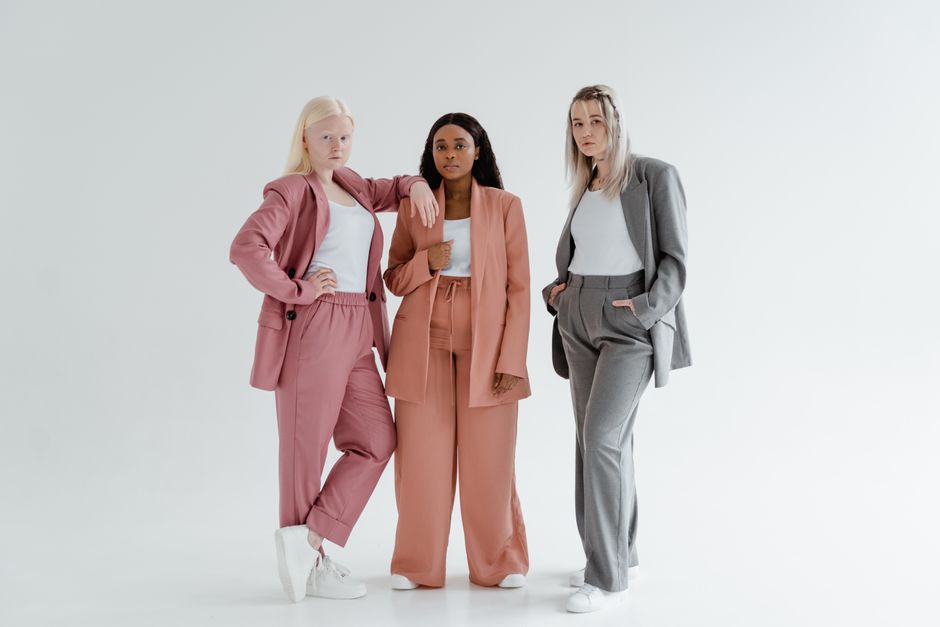
Best choices for formal indoor weddings
For a ballroom or upscale hotel, my favorite starting point is the J.Crew Gwyneth Cupro Slip Dress at about $178. The fluid cut looks formal without feeling stiff, and the fabric works with a wool coat or velvet jacket. For a more covered option, the Boden Velvet Midi Dress, usually around $220, is the stronger choice because velvet supplies warmth and visual depth without extra embellishment.
For shoes, the Sam Edelman Hazel Pointed-Toe Pump, about $150, is my practical pick for indoor receptions. It has a familiar pointed shape, enough polish for cocktail dress, and a heel height that is easier to manage through several hours of standing than a very high stiletto.
Best choices for cold travel and mixed venues
For a church, outdoor photo session, and heated reception, I prefer the Mango Velvet Dress at roughly $120 with a long wool coat and opaque tights. It costs less than many formal dresses, hides small wrinkles, and handles winter texture better than lightweight polyester satin. A tailored black jumpsuit is the better alternative for anyone who dislikes dresses or needs to move through snow and uneven ground.
Do not buy the most delicate or revealing option simply because it looks impressive online. For a genuinely cold venue, the best winter wedding outfit is the one that keeps its shape, covers the transition between locations, and still looks finished after the coat comes off. That is the standard I use every time.
Single takeaway: Dress for the coldest part of the wedding schedule, then make the outfit elegant with rich texture, one clear statement detail, and shoes you can actually walk in.
Related Posts
Under-$50 Zara Fashion Finds: 10 Zara Finds Under $50 That Look Expensive
The best under-$50 Zara finds are not the loudest pieces…
9 Essential Hoodies and Sweatshirts for a Stylish Cozy Look
Why does your hoodie outfit look sloppy? Why does the…

Secondhand-Only Wardrobe: What Worked and What Didn’t
My first useful statistic was personal: after twelve months, I…