You are standing in front of a full closet at 7:42 a.m., yet the only question you can answer is that nothing feels right. A working capsule wardrobe fixes that problem by turning a crowded rail into a small set of clothes that fit your schedule, dress code, laundry routine, and real body.
How many clothes does a busy professional actually need?
Start with the calendar, not the closet
The right capsule size comes from your week. A person working from home four days a week needs a different wardrobe from someone who attends client meetings every morning. Start by counting clothing situations across a normal two-week period: office days, video calls, commuting, travel, dinners, presentations, and relaxed Fridays. Do not count weddings, beach holidays, or rare events in the core number. Those belong in a separate occasional-wear section.
For many professionals, a useful starting point is 20 to 24 core clothing pieces, excluding underwear, sleepwear, gym clothes, coats, and accessories. That number can create more than 40 outfit combinations when the pieces share a color plan and similar levels of formality. The goal is not to own exactly 20 garments forever. The goal is to make every item earn a regular place in the weekly rotation.
Audit wear, fit, and care
Remove every item from the closet and sort it into three groups: worn often, worn sometimes, and never worn. The third group usually exposes the real problem. A garment may have a beautiful color but an uncomfortable shoulder seam, a fabric that wrinkles during the commute, or a neckline that does not work with your jackets. A capsule built around those pieces will fail before the first month ends.
Write down the reason each unworn garment lost. Use plain categories such as poor fit, difficult care, wrong dress level, uncomfortable fabric, or no matching partner. This turns vague dissatisfaction into a buying filter. If five shirts require ironing and you rarely iron, the answer is not more shirts. The answer is a washable fabric or a smaller laundry gap.
| Wardrobe area | Useful starting number | What it should cover |
|---|---|---|
| Tops | 6 to 8 | Workdays, meetings, and casual layering |
| Bottoms | 4 to 5 | Office trousers, skirts, and polished casual outfits |
| Layers | 3 to 4 | Blazers, cardigans, overshirts, and temperature changes |
| Dresses or one-piece outfits | 1 to 3 | Fast dressing and presentations |
| Shoes | 3 to 4 | Commuting, office wear, and less formal days |
My verdict: begin with the smallest number that covers your actual work calendar, not an influencer’s closet. For most busy professionals, 20 core pieces provide enough choice without creating a second job called wardrobe management.
Which wardrobe rules stop a capsule from becoming boring?
Use a three-color working palette
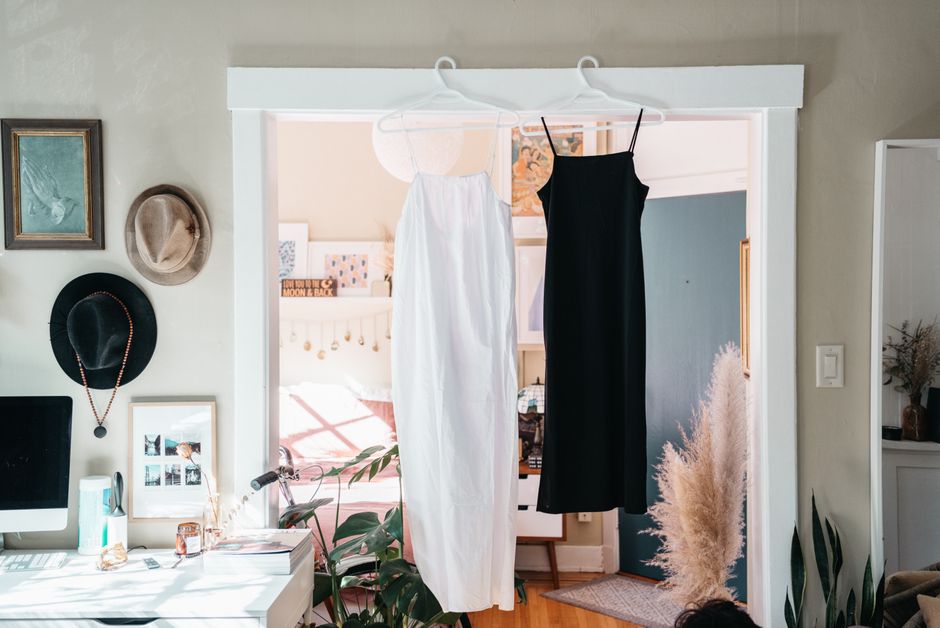
A capsule becomes easy to style when most pieces can meet each other halfway. Pick one dark base, one light neutral, and one accent color. Navy, ivory, and burgundy create a softer professional palette. Charcoal, white, and olive feel more modern. Chocolate brown, cream, and cobalt offer contrast without turning every outfit into a puzzle.
Use the dark base for the pieces you wear most often, such as trousers, skirts, and a blazer. Put the light neutral near the face in shirts, knitwear, and dresses. Use the accent color on two or three items only. This gives the wardrobe visual interest while keeping the number of possible combinations high.
Set a repeatable outfit formula
A formula is not a uniform. It is a reliable structure that removes morning guesswork. Try straight-leg trousers plus a tucked knit plus a blazer for meeting days. Try a midi skirt plus a fitted T-shirt plus a cardigan for a softer office outfit. Try dark jeans plus a crisp shirt plus loafers for a relaxed workplace. Keep the formula stable, then change the color, texture, or shoe.
Choose contrast with care. A wide trouser looks balanced with a closer-fitting top. A boxy jacket works better over a slim base layer. A statement sleeve needs a simple bottom and a clean bag. These proportions matter more than the number of garments you own.
A minimalist wardrobe also needs one controlled point of personality. It might be a sculptural earring, a patterned silk scarf, a red shoe, or a textured belt. Pick one focal detail per outfit. Five small statements competing at once make a small wardrobe look less polished, not more expressive.
The practical rule is simple: every new core garment should create at least three complete outfits with pieces already in the closet. If it only works with one specific skirt, shirt, or shoe, it is an isolated purchase. Leave it behind.
How do you build a 20-piece work capsule?
Choose the core pieces in this order
- Start with four bottoms. Choose two dark options and two lighter or textured options. A straight trouser, a relaxed trouser, a midi skirt, and a dark jean cover more situations than four similar black pants. Check that each bottom works with at least four tops.
- Add six tops. Use two polished shirts, two knit tops, one fine-gauge T-shirt, and one blouse or elevated shell. Look for fabrics that keep their shape after sitting, commuting, and repeated washing. A shirt that needs constant steaming is not a low-maintenance capsule piece.
- Add three layers. Choose one structured blazer, one cardigan, and one lighter overshirt or jacket. The blazer should fit over your thickest work top without pulling at the buttons. The cardigan should fit under the blazer if your office runs cold.
- Add two one-piece options. A simple knit dress and a shirt dress or tailored jumpsuit can solve days when you have no time to coordinate separates. Both should work with at least two layers and two shoe choices.
- Finish with four pairs of shoes and one flexible outer layer. Choose a polished loafer, a low-profile walking shoe, a weather-ready boot, and one dressier option. Add a trench, wool coat, or clean technical coat based on your climate and commute.
Use real garments as quality references
Brand examples can help you compare construction, fabric, and care instructions, but they should serve as references rather than shopping commands. The Uniqlo Smart Ankle Pants show how a stretch trouser can keep a neat tapered shape for business-casual outfits. The Everlane Dream Pant is a useful reference for a soft, flexible trouser with a more polished finish than ordinary jersey. Neither is automatically right for every body or office.
For tops, the COS Clean Cut T-Shirt is a good example of a heavier cotton tee with a structured neckline. The Quince Mongolian Cashmere Crewneck demonstrates how a thin knit can add warmth under a jacket without adding much bulk. For shoes, the G.H. Bass Whitney Weejuns offer a classic leather loafer shape that works with trousers, skirts, and dresses. Inspect the same details across brands: fabric recovery, seam quality, lining, sole flexibility, and care demands.
Apply cost-per-wear math
Use this formula before buying: purchase price divided by realistic wears. A $120 pair of trousers worn 60 times costs $2 per wear. A $45 top worn three times costs $15 per wear. The cheaper item is not the better value if it shrinks, pills, or never feels appropriate for your office.
Set a personal wear target. Core trousers should reach at least 30 wears. Everyday tops should reach 20 wears. A special-occasion piece may have a lower target, but it should fill a clear gap. This approach protects the budget without forcing every purchase into the cheapest possible price bracket.
What capsule wardrobe mistakes waste the most money?
Mistake: buying isolated statement pieces
My strongest recommendation is to delay statement shopping until the core is stable. A vivid jacket can look exciting in a fitting room and useless on Tuesday morning if it has no matching trousers, no compatible shoes, and no place in your dress code. Buy the supporting structure first: two dependable bottoms, three tops, one layer, and shoes that can handle your commute.
Another common error is buying a fantasy lifestyle. A professional may imagine wearing silk blouses, high heels, and dry-clean-only trousers, then spend most of the week in knitwear and flat shoes. The capsule should reflect the life you live now. If you cycle to work, choose fabrics and hems that tolerate movement. If you travel often, prioritize wrinkle resistance and repeatable layers. If you sit for long periods, test the waistband and back rise before judging the garment in a mirror.
Mistake: ignoring fit changes and care limits
A capsule built around one narrow size range becomes expensive when your body changes or a garment is altered poorly. Keep a small fit allowance in key pieces. A jacket with enough room to move through the shoulders will last longer than a tight jacket that only looks sharp while standing still.
Read the care label before paying. Hand-wash cashmere, delicate viscose, and dry-clean-only tailoring can create a laundry burden that cancels the time savings of a capsule. Use a simple care score from one to three: one for machine washable, two for occasional special care, and three for high-maintenance. Keep no more than two level-three garments in the core rotation.
Know when a capsule is the wrong solution
Do not force a capsule if your work requires a uniform, protective clothing, frequent formal events, or several unrelated dress codes. A small wardrobe may also frustrate someone who enjoys maximalist styling and has the storage space to support it. The right alternative is a segmented wardrobe: a compact office capsule, a separate creative or weekend section, and occasional clothing stored away from daily pieces.
For most people, the failure is not owning too much. It is mixing too many purposes in the same closet and asking one rack to solve every situation.
How should you maintain a capsule through a full workweek?

How can you plan five outfits in ten minutes?
Choose outfits by event difficulty, not by Monday-to-Friday tradition. Put the presentation or client-meeting outfit first, then assign simpler combinations to ordinary days. Photograph five complete outfits on your phone, including shoes and layers. This creates a visual menu for rushed mornings and reveals repeated gaps faster than another closet cleanout.
Keep one emergency outfit ready: dark trousers, a washable top, a reliable layer, and comfortable polished shoes. Store it together. That set covers a spilled coffee, an unexpected meeting, or a morning when every planned item is in the laundry.
How often should you replace capsule pieces?
Replace by condition and wear count, not by seasonal pressure. Retire a top when the collar will not recover, a trouser when the seat has become shiny or thin, and shoes when the sole affects comfort or posture. Repair loose buttons and small hems quickly. A ten-minute repair often protects a garment worth many full wears.
What is the final buying rule?
Before every purchase, write down the exact job the garment must perform, the three outfits it will create, and the care routine it requires. If you cannot answer all three, do not buy it. For a busy professional building a minimalist capsule wardrobe in 2026, the clearest choice is a 20-piece system built around a three-color palette, washable fabrics, comfortable polished shoes, and a strict three-outfit test. That combination delivers the strongest balance of speed, variety, and lower cost per wear.
Related Posts

Old Navy vs. H&M: Best Affordable Denim Shorts for 2026
You find the perfect summer outfit, then the shorts ruin…

How to Choose a Handbag for Your Body Type and Life
The best handbag is not the biggest, trendiest, or most…

Ethical Wardrobe: How to Buy Less and Choose Better
Only a small part of a garment’s real story appears…