Thrifted streetwear can build a sharper wardrobe for less money, but only if you treat fit, fabric, and condition as seriously as the label. After wearing secondhand casual pieces for a month, my clear winner was a small rotation of well-fitting basics, not rare logos or trend-heavy finds.
The Month’s Verdict: More Variety, Less Control
The experiment made one point clear: secondhand streetwear is excellent for variety, personal style, and low-cost layering, but it demands more patience than buying a complete outfit from one store. I wore the same core pieces in different combinations and tracked comfort, repair needs, washing, and cost. The best outfits looked intentional because their colors and proportions matched, not because every item carried a famous logo.
| Test | Result after one month |
|---|---|
| Average outfit cost | $38 to $82, depending on footwear and outerwear |
| Best value | Broken-in denim and heavyweight cotton T-shirts |
| Hardest category to thrift | Clean, supportive everyday sneakers |
| Most useful color | Washed black, because it worked with every layer |
| Most common flaw | Stretching at the collar, cuffs, or waistband |
| Biggest time cost | Inspecting, measuring, and cleaning every purchase |
| Most reliable styling trick | One loose layer over one fitted layer |
| Final verdict | Buy secondhand for character, but keep strict quality limits |
The month was not a challenge to own nothing new. It was a test of what deserved space in a practical wardrobe. Thrifted streetwear passed when the clothing solved a real need: durable pants, a warm jacket, a clean tee, or shoes that could handle a full day outside.
Why Fit Beat Brand Names Every Time
The basic problem streetwear solves is not status. It gives ordinary clothes a strong shape through proportion, texture, and layering. A roomy jacket changes the line of a plain T-shirt. A straight leg makes worn sneakers look deliberate. A heavy cotton tee holds its shape under a sweatshirt. Secondhand shopping works well for this style because older garments often have softer fabric and more visual character than new basics, but those advantages disappear when the fit is wrong.
Measure the garment before judging it
Thrift-store sizing is unreliable. A vintage medium may fit like a modern small, while an oversized piece may have started life as a standard cut. Measure the chest from armpit to armpit, the shoulder width, the sleeve length, the rise, and the inseam. Compare those numbers with a garment you already wear. For trousers, prioritize the rise and seat before the waist. A comfortable high-rise pair can look cleaner than a tighter low-rise pair, even when both have the same leg width.
Use one strong proportion at a time
Loose clothing looks best when the outfit has a counterweight. Pair a wide leg with a shorter jacket, or wear a roomy sweatshirt over a straighter trouser. Avoid making every layer oversized unless you have checked the total silhouette in a mirror. A cropped outer layer can add shape without showing much skin. A tucked front hem can create the same effect with a longer shirt. These small adjustments mattered more than logos during the month because they made inexpensive clothing look styled instead of accidental.
Choose fabric for the job
Look for dense cotton jersey in T-shirts, sturdy denim in trousers, and tightly woven cotton duck in jackets. Thin fabric may feel soft in the fitting room but lose its shape after several wears. Check the underarms, crotch, pocket corners, and inside collar first. Those areas reveal how much life remains. The best secondhand piece is not the rarest one; it is the garment whose fabric, measurements, and condition match the way you actually dress.
The Five Pieces That Earned Repeat Wears
These were the strongest streetwear categories to search for, with sensible thrift-store price ceilings. Prices vary by city and condition, so I treated the ranges below as buying limits rather than guaranteed bargains.
- Levi’s 501 Original jeans: The classic five-pocket design, button fly, and usually sturdy cotton denim made this the most useful item. A clean pair at $20 to $35 is a better buy than heavily distressed denim at the same price. For daily outfits, the Levi’s 501 was the clear trouser winner.
- Nike Air Force 1 Low: The leather upper and rubber cupsole gave simple outfits a clean base. I would pay $25 to $45 for a lightly worn pair, but only after checking sole separation, heel wear, and odor. This was the best thrifted sneaker choice for short commutes and casual plans.
- Carhartt Detroit Jacket: Its cotton duck shell, short body, and workwear shape added structure over soft layers. A reasonable secondhand ceiling is $45 to $90, depending on lining and condition. It won for cold-weather styling, but a damaged zipper made an otherwise cheap jacket a poor deal.
- adidas Samba OG: The leather upper and gum rubber outsole create a slim profile that works with straight trousers. At $35 to $70 used, this is worth buying only when the sole still has clear tread. It looked polished, but it offered less cushioning than the Nike pair.
- Stüssy basic logo T-shirt: A cotton jersey tee added streetwear character without forcing a loud outfit. A $15 to $30 thrift price was fair if the neck rib stayed flat and the print showed no cracking beyond normal wear. It worked best under a plain jacket, not beside several other logos.
The pattern was simple: durable basics created more outfits than collectible pieces. If the item could not work with at least three things already in the closet, it stayed on the rack.
Where Thrifted Streetwear Failed

The weak points were predictable. Thrifting saves money only when you reject the wrong bargains quickly.
- Buying the label first: A familiar logo can hide stretched fabric, poor alterations, or a cut that does not suit your body. I left several popular pieces behind because the shoulders dropped too far or the waistband pulled when sitting.
- Ignoring odor and hidden damage: Strong fragrance can cover smoke, mildew, or old sweat. Check the underarms, collars, pockets, and lining in good light. If the smell remains after a careful wash, the item is not a bargain.
- Assuming every stain will lift: Oil marks, yellowed underarms, and dye transfer can become permanent. Buy only marks you can accept if cleaning does not work.
- Forcing a thrift-only rule: Socks, underwear, technical rainwear, and worn-out safety footwear are poor places to compromise. Replacing one failed item costs more than buying the right version first.
- Forgetting repair costs: A $12 jacket that needs a $35 zipper is not a $12 jacket. Set aside a repair budget before you buy.
The smartest rule is to purchase the garment you would choose without the brand name. That rule removed most impulse buys and left a smaller wardrobe that received far more wear.
How to Shop a Thrift Store for Streetwear
How should you prepare before going?
Wear a fitted base layer and flexible trousers so you can try jackets and pants without guessing. Bring a small tape measure, a phone note with your best garment measurements, and a spending limit for each category. Search by fabric and shape before searching by color. Start with denim, outerwear, and heavyweight tees because those areas usually offer the strongest mix of durability and style.
What should you inspect in the fitting room?
Stand, sit, raise your arms, and walk a few steps. Check if the waistband digs in, if the jacket pulls across the back, or if the trouser hem catches under your heel. Turn the garment inside out. Loose seams, missing buttons, broken elastic, and thinning pockets are easier to spot from the inside. Take a quick photo in the mirror. A picture often reveals an unbalanced silhouette that feels less obvious while you are moving.
When should you leave an item behind?
Leave it when the fit needs more than one major alteration, when the fabric feels brittle, or when the price is close to a clean new alternative. Do not buy an item because it is rare, cheap, or almost right. The best thrifted streetwear purchase is ready to wear after cleaning, with enough versatility to support at least three outfits. That standard keeps the search focused and prevents a full closet from becoming a pile of unfinished projects.
What I Would Keep, Skip, and Buy New
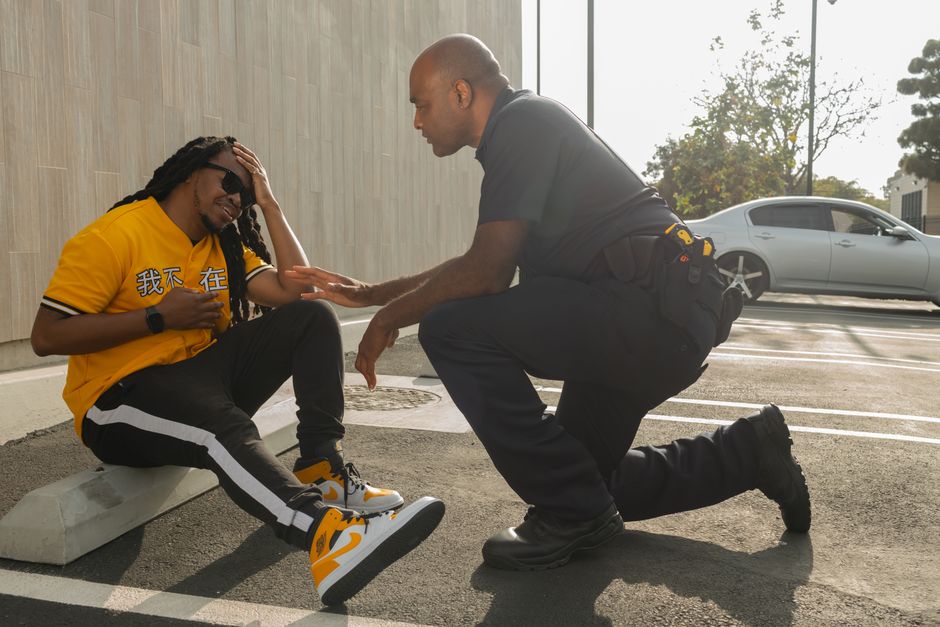
My recommendation is to thrift denim, jackets, and cotton layers aggressively, while buying worn-sensitive or performance-heavy items with more caution. The Levi’s 501 remained the strongest all-purpose purchase because its shape handled sneakers, boots, and low-profile shoes. The Carhartt Detroit Jacket earned its price when the shell and zipper were sound. Those two categories gave the wardrobe structure without requiring a perfect outfit every morning.
Keep: pieces with a clear styling role
Keep a secondhand item when it fills a gap and works with at least three existing garments. The Nike Air Force 1 Low is useful for clean, casual outfits, while the adidas Samba OG is better for a slimmer, more tailored streetwear line. Neither shoe deserves a purchase when the heel is collapsing or the outsole is nearly smooth.
Skip: damaged trend pieces
Skip cracked graphics, stretched collars, weak elastic, and jackets with expensive hardware repairs. A Stüssy T-shirt with a flat neck and solid print can earn repeat wears; a rare tee that twists after one wash cannot. The same rule applies to heavily distressed denim that limits every outfit.
Buy new: items where condition affects health or performance
Buy new socks, underwear, protective rain layers, and footwear for long hikes or demanding work. Secondhand fashion is strongest when it adds character without creating a hidden maintenance bill. The month’s single takeaway is simple: thrifted streetwear works best when you shop for fit and fabric first, then let the brand name come last.
Related Posts

High-Quality Vintage Clothing on a Tight Budget: Smart Buys
You find a wool coat for $18, a pair of…
Mejuri vs. Gorjana: Best Everyday Gold Jewelry Compared
Mejuri and Gorjana both make polished gold jewelry for daily…
Sweed Glass Skin Foundation Review
Looking for a new foundation? Almost across the board, I…