p>The optimal selection for cross-country (XC) flat pedal footwear hinges on a precise balance between power transfer, weight reduction, and mechanical grip. While the XC discipline has traditionally been dominated by clipless pedal systems, a significant demographic of riders now prioritizes the freedom of movement and technical skill development afforded by flat pedals. This shift has necessitated a new generation of footwear that avoids the bulk of downhill-oriented gravity shoes while maintaining a high-friction interface with the pedal pins. For most high-cadence riders, the Specialized 2FO Roost Flat represents the most efficient intersection of lightweight construction and sole stiffness currently available on the market. This evolution mirrors broader trends in the fashion world, where technical performance and “gorpcore” aesthetics merge to create gear that is as visually sophisticated as it is mechanically capable.
Core Engineering Principles for Cross-Country Flats
Cross-country riding demands a different set of engineering priorities compared to enduro or downhill disciplines. In XC, the rider spends a disproportionate amount of time in a seated, high-cadence climbing position. Therefore, the midsole must be rigid enough to prevent foot fatigue over four-hour rides, yet the rubber compound must remain soft enough to damp vibrations. The Shore A hardness of the rubber is a critical metric here. Typically, a rating between 40a and 60a is preferred for flat shoes. A softer compound provides a “locked-in” feel but wears down rapidly when subjected to the aggressive pins of modern CNC-machined pedals. Furthermore, the chemistry of the rubber must account for temperature fluctuations; a sole that is tacky in the summer must not become a hard, plastic-like slab when the temperature drops toward freezing.
Midsole Stiffness and Power Transfer
In a standard XC shoe, a nylon or carbon shank provides the leverage needed for climbing. Flat shoes often substitute this with a reinforced EVA (Ethylene Vinyl Acetate) or TPU (Thermoplastic Polyurethane) midsole. The goal is to minimize “toe-wrap”—where the shoe curls over the edges of the pedal—which wastes energy and can lead to plantar fasciitis. High-performance XC flats utilize a tapered shank that is stiff under the ball of the foot but allows for natural flexion at the toes to facilitate hike-a-bike sections. This duality is what separates a dedicated cycling shoe from a standard skate shoe or trail runner. The latter lacks the torsional rigidity required to prevent the foot from twisting during high-torque efforts, which can lead to significant power leakage during the “pull” phase of the pedal stroke, even on flats.
Weight Management and Rotational Mass
Every gram added to the foot is functionally magnified because it represents rotational mass. While a heavy gravity shoe might weigh 450-500 grams per shoe, a competitive XC flat shoe should target the 300-360 gram range (size 42). Manufacturers achieve this by utilizing synthetic microfibers and thermally bonded overlays rather than heavy leathers or thick rubber rands. Ventilation also plays a role in weight; a shoe that holds onto sweat becomes significantly heavier over the course of a ride. Laser-cut perforations and 3D mesh panels are standard features in the best XC flat shoes to ensure moisture exit and temperature regulation. In the context of performance fashion, this reduction in bulk also allows for a sleeker silhouette that pairs better with modern, tapered trail trousers.
Dynamics of Foot-to-Pedal Interaction
Tread design is not merely aesthetic. For XC, the center of the sole usually features a low-profile hexagonal or circular pattern designed to allow pedal pins to settle into the gaps. If the lugs are too tall, the pins sit on top of the rubber, reducing the surface area contact and leading to pedal slips. Conversely, the toe and heel sections require deeper, more aggressive lugs—often referred to as “climbing and braking zones”—to provide traction when walking on loose dirt or wet rock. The transition between these two zones must be seamless to prevent the shoe from catching on the pedal during quick foot adjustments. A well-designed tread pattern acts as a mechanical lock, where the depth of the lug is mathematically tuned to the average height of a 4mm pedal pin.
Comparative Analysis of Leading XC Flat Models
Selecting the right shoe involves comparing proprietary rubber technologies and upper constructions. The following table provides a data-driven comparison of the leading models currently available for cross-country applications, focusing on the metrics that define the “Downcountry” and XC experience.
| Model Name | MSRP (USD) | Weight (Size 42) | Rubber Compound | Primary Benefit |
|---|---|---|---|---|
| Five Ten Trailcross LT | $140 | 345g | Stealth Phantom | Maximum Ventilation |
| Specialized 2FO Roost | $120 | 360g | SlipNot ST | Ergonomic Support |
| Fox Union Flat | $150 | 380g | Ultratack | Impact Protection |
| Ride Concepts Tallac | $160 | 430g | Max Grip | Extreme Durability |
| Crankbrothers Stamp | $130 | 350g | MC2 High-Friction | Pedal Compatibility |
Five Ten Trailcross LT: The Lightweight Specialist
The Five Ten Trailcross LT is specifically engineered for the intersection of trail running and mountain biking. It utilizes the Stealth Phantom rubber compound, which offers high friction without leaving marks. Specs: 345g weight, mesh upper, EVA midsole. Pros: Exceptional drainage and breathability; the mesh upper dries faster than almost any competitor. Cons: The flexible toe box, while great for walking, can feel less stable during maximum sprint efforts compared to more rigid designs. At approximately $140, it is a premium choice for riders in hot, humid climates who prioritize ventilation above all else. Its aesthetic is decidedly sporty, leaning into the “fast and light” trail runner look.
Specialized 2FO Roost Flat: The Aesthetic All-Rounder
Specialized uses their Body Geometry technology to incorporate a longitudinal arch, metatarsal button, and varus wedge into the 2FO Roost. This helps align the hip, knee, and foot to increase power and reduce the risk of injury. Specs: 360g weight, Leather/Textile upper, SlipNot ST rubber. Pros: The SlipNot ST rubber is remarkably tacky and provides one of the best “damping” feels in the category. Cons: The suede and leather upper, while stylish, takes a long time to dry if fully submerged. Priced at $120, it offers a high value-to-performance ratio for riders who want a shoe that looks appropriate both on the trail and at a post-ride social gathering.
Fox Union Flat: Technical Precision
The Fox Union Flat is a newer entry that has quickly gained traction for its robust construction. It features a one-piece upper that reduces seams and potential failure points. Specs: 380g weight, welded upper, Ultratack rubber. Pros: The reinforced toe cap offers superior protection against rock strikes, which is often a weakness in lightweight XC shoes. Cons: It is slightly heavier than the Trailcross and has a stiffer break-in period. At $150, it is a durable investment for riders who frequent rocky, technical terrain where foot protection is as important as pedaling efficiency. The low-profile design fits the modern minimalist fashion trend perfectly.
When evaluating grip, remember that the shoe is only half of the equation. The thickness and placement of your pedal pins will dictate how effectively the rubber compound can engage. A shoe that feels “slick” on one pedal may feel “glued” on another.
Ride Concepts Tallac: Durability and Impact Protection
While slightly heavier, the Tallac incorporates D3O material in the collar to protect against ankle strikes. Specs: 430g weight, Cordura upper, Max Grip rubber. Pros: The Cordura upper is virtually indestructible and resists abrasion from trail brush. Cons: The added protection results in a bulkier silhouette that some XC purists may find excessive. At $160, it is the most expensive option but offers the longest projected lifespan for daily riders. It is the “workwear” of the cycling shoe world—rugged, dependable, and built to withstand abuse.
Crankbrothers Stamp: The Minimalist Contender
The Crankbrothers Stamp shoe is designed specifically to interface with the Stamp pedal, but its performance is universal. Specs: 350g weight, synthetic upper, MC2 rubber. Pros: Features a “match box” tread pattern that is optimized for any flat pedal. The rounded edges of the sole prevent the shoe from catching on the crank arms. Cons: The MC2 rubber is slightly harder than the Five Ten Stealth, which means it requires a bit more downward pressure to feel fully “locked in.” At $130, it is a sleek, fashion-forward option that avoids the “clunky” look of traditional mountain bike shoes.
The Convergence of Trail Capability and Contemporary Style
Fashion in the cross-country world has moved away from the neon-heavy, “power ranger” aesthetic of the early 2000s toward a more muted, technical look. Earth tones, matte finishes, and clean lines dominate the 2026 catalogs. The best XC flat shoes now mimic the appearance of premium approach shoes or high-end sneakers. This allows for a more versatile wardrobe where the same footwear can be used for bike-packing, light hiking, or casual wear without sacrificing the technical features required for serious trail riding. Choosing a neutral color like charcoal, olive, or black ensures longevity in your wardrobe as kit trends evolve. This “stealth” aesthetic also serves a functional purpose: darker colors and synthetic finishes hide the inevitable dust and mud stains better than the bright whites or yellows of traditional XC race gear.
Strategic Selection Based on Environmental Variables
The final decision should be informed by the specific environmental conditions of your local trails. A rider in the high deserts of Arizona has vastly different needs than a rider in the muddy forests of the Pacific Northwest. In arid environments, the primary concern is heat dissipation. Synthetic uppers with high-flow mesh are mandatory to prevent “hot spots” and swelling. In contrast, riders in wet climates should look for shoes with minimal foam padding. Open-cell foam acts like a sponge, retaining water and increasing the weight of the shoe by up to 30% when wet. Closed-cell foams or thin synthetic liners are preferable as they shed water rather than absorbing it.
Foot Shape and Volume Considerations
Not all brands cater to the same foot morphology. Five Ten (owned by Adidas) tends to have a more generous, wider fit in the toe box, which is beneficial for riders whose feet splay under load. Specialized and Fox generally offer a more contoured, medium-volume fit. If you have a high instep, look for shoes with a traditional lacing system rather than a BOA dial or a zippered shroud, as laces allow for more granular tension adjustment across different zones of the foot. A secure heel cup is also vital; any lifting of the heel during a climb results in lost energy and can cause blistering. Many high-end models now include “cat’s tongue” fabric in the heel—a one-way friction material that allows the foot to slide in easily but resists sliding out.
Common Mistakes When Purchasing XC Flats
- Buying for Grip Alone: Many riders choose the softest rubber available (like the Five Ten Impact) only to realize the shoe is too heavy and flexible for efficient XC climbing.
- Ignoring Stack Height: A shoe with a very thick sole raises your center of gravity and requires you to raise your saddle, which can affect bike handling.
- Neglecting Toe Protection: In the quest for lightness, some shoes omit the reinforced toe box. One stray rock strike at 15mph will make you regret this omission.
- Sizing for Street Wear: Cycling shoes should fit snugly. Any internal foot movement during a high-cadence effort creates friction and heat, leading to discomfort.
Preservation and Technical Care Protocols

To preserve the friction coefficients of the rubber soles, it is necessary to keep them clean. Mud and fine silt can act as an abrasive, wearing down the tread pattern prematurely. After a ride, use a soft brush and mild soap to remove debris. Avoid high-heat drying methods, such as placing shoes near a radiator, as this can compromise the adhesives used in the sole construction and cause the rubber to harden and lose its tackiness—a process known as “outgassing.”
For shoes with suede or leather components, such as the Specialized 2FO Roost, applying a DWR (Durable Water Repellent) spray can help prevent the material from wetting out, which maintains the shoe’s lightweight properties even in the rain. Air drying with the insoles removed is the standard protocol for maintaining the structural integrity of high-performance cycling footwear. If your soles become “glazed” or smooth from use, a very light sanding with high-grit sandpaper can sometimes restore the surface tackiness, though this should be done sparingly.
Ultimately, the Five Ten Trailcross LT remains the gold standard for pure XC flat pedal performance due to its class-leading weight and breathability. However, for those who require a stiffer platform and better ergonomic support, the Specialized 2FO Roost provides a compelling alternative that excels in power delivery. Both models represent the pinnacle of current shoe technology, ensuring that flat-pedal XC riders no longer have to compromise on efficiency, comfort, or style.
Related Posts

Best Plus Size Jeans for Apple and Pear Shapes in 2026
Two pairs of jeans with the same labeled size can…
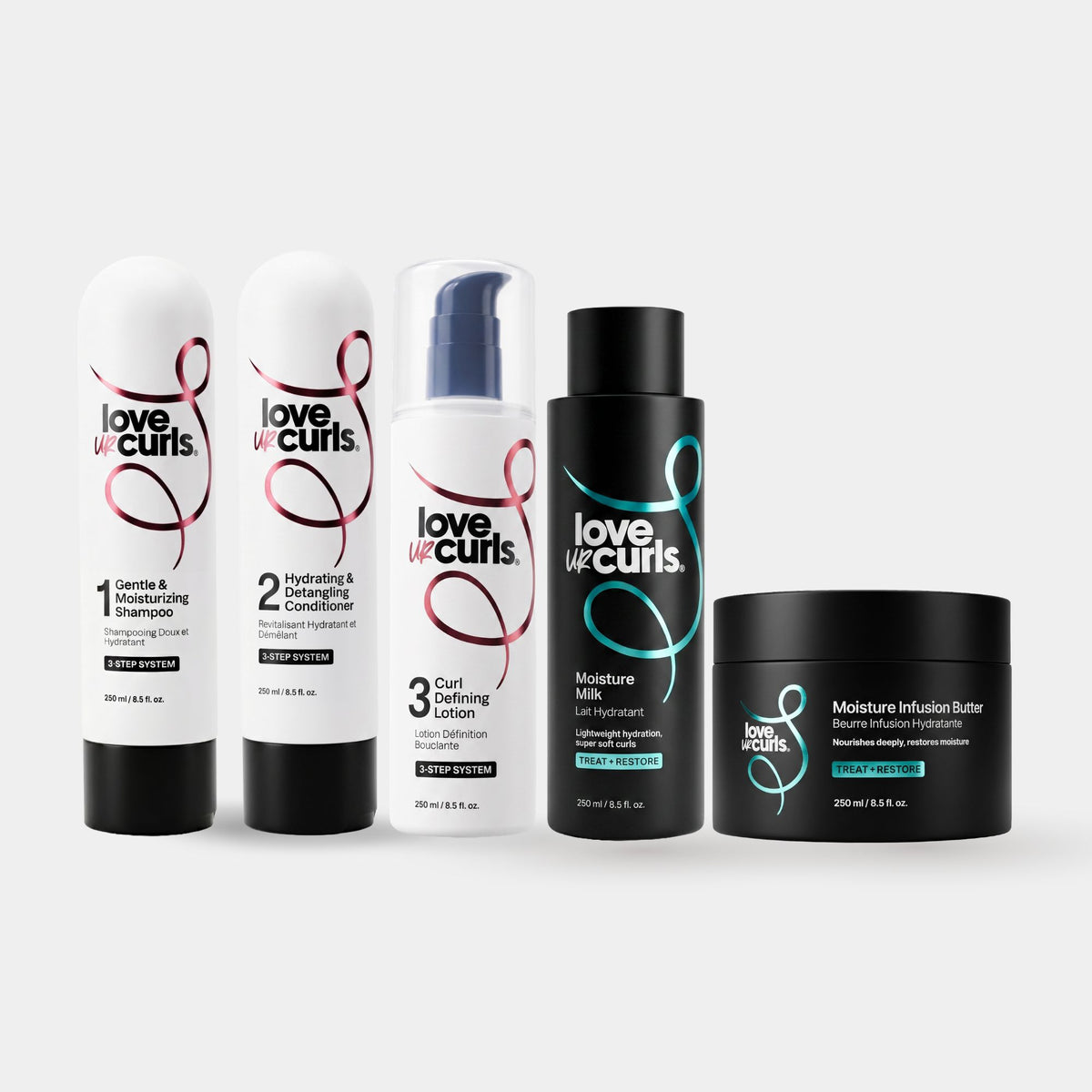
A Weekend Curl Kit For Soft Travel Hair
Why this offer fitsLove Ur Curls keeps curl care practical:…

Preppy Outfits Roblox DTI Players Can Build Fast
The theme appears, the timer starts, and you are standing…