The global watch market is worth over $90 billion, but the majority of men wearing watches priced between $5,000 and $20,000 are paying for a name — not a better product. The movement inside a $250 Seiko performs more reliably day-to-day than many watches costing ten times as much. That is not an opinion. Any watchmaker will tell you the same thing off the record.
I have worn watches in the $50 to $600 range for over a decade. Bought wrong, bought right, and learned which specs actually matter. Here is what I know.
The Price Bracket Where Watch Quality Makes a Real Jump
Not all price increases are equal in the watch world. Between $30 and $80, you are mostly paying for looks. Cheap quartz movements, plastic or pot-metal cases, mineral glass that scratches in the first month. These watches tell time. That is about it.
The first meaningful quality jump happens around $80 to $200. At this range, you start getting stainless steel cases (not plated alloy that oxidizes at the wrist edges), movements with decades of production history, and glass that survives daily contact with desks and doorframes. The Citizen Eco-Drive BM8180 sits at about $95 and runs entirely on light — any light. No battery changes, ever. The movement is rated to last 40-plus years. The Timex Expedition Scout at $50 is a decent watch, but the Citizen is a different category of engineering for just $45 more.
The second jump happens between $200 and $400. This is where automatic movements, sapphire or high-grade mineral crystal, and genuine tool watch credentials appear. The Seiko Prospex SRPD51 at around $290 uses the 4R36 caliber — a proven movement with 41 hours of power reserve, rated to 200 meters water resistance. You are not buying image at this price. You are buying engineering.
Above $500, there are excellent watches. But the value-per-dollar ratio starts dropping unless you know exactly what you want. Spend $800 on a mid-tier fashion brand and you are often getting a worse movement than the $290 Seiko. That is the uncomfortable truth most watch marketing does not want you to calculate.
What “Reasonable Price” Actually Means
For most men, the sweet spot sits between $100 and $450. Below $100 is viable but limited — you are choosing between categories, not between quality tiers. Above $450, diminishing returns kick in unless you are shopping Orient Star, Tissot, or Hamilton specifically for sapphire crystal and in-house movements.
Quartz vs. Automatic: The Movement Question
A quartz movement is accurate to roughly ±15 seconds per month. A mechanical automatic — the kind that winds from wrist movement — runs about ±10 to ±20 seconds per day depending on the movement grade. Quartz is more accurate. Automatic is more satisfying to wear and more repairable long-term. Both are valid. Do not let anyone tell you otherwise — the right choice depends on how you use a watch, not on which one sounds more impressive at dinner.
Watch Comparison by Price: What You Actually Get
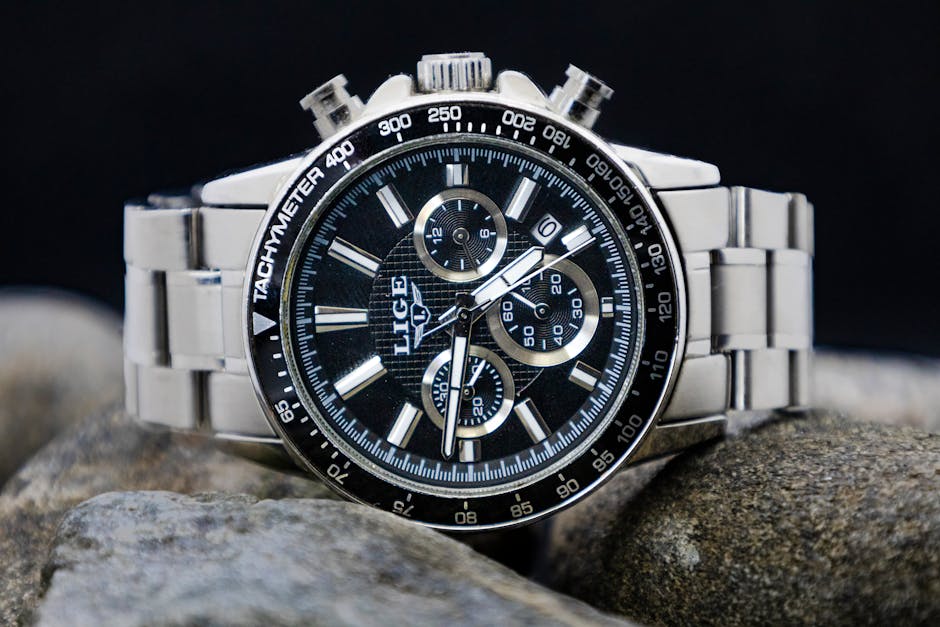
| Watch | Price (approx.) | Movement | Crystal | Water Resistance | Best For |
|---|---|---|---|---|---|
| Casio G-Shock GA-2100 | $70–$90 | Quartz | Mineral | 200m | Everyday wear, sports |
| Seiko SNK809 | $70–$100 | Automatic 7S26 | Hardlex mineral | 30m | First automatic, casual |
| Citizen Eco-Drive BM8180 | $90–$120 | Solar quartz | Mineral | 100m | Daily driver, work |
| Orient Bambino Gen 5 | $120–$160 | Automatic F6724 | Mineral | 30m | Dress, office |
| Seiko Prospex SRPD51 | $280–$320 | Automatic 4R36 | Hardlex mineral | 200m | Dive watch, outdoors |
| Tissot PRX Quartz | $350–$400 | ETA quartz | Sapphire | 100m | Dress, smart casual |
| Hamilton Khaki Field Auto | $450–$550 | Automatic H-10 | Sapphire | 100m | Military style, heritage |
One thing this table makes clear: water resistance does not scale with price. The $90 G-Shock beats the $400 Tissot PRX in that single spec by 100 meters. Pick the right tool for the right life, not the most expensive thing in the column.
Why the Movement Inside the Case Matters More Than the Name on the Dial
This is the section most buyers skip — then regret ignoring a few years later when they need a service.
Fossil, MVMT, Daniel Wellington. All popular. All heavily marketed. All running generic quartz movements that cost manufacturers under $5 to source wholesale. You are paying $100 to $250 for brand building, not for watchmaking. The watch looks fine in product photography. In person, the finishing on the case edges is often rough, the bracelet has lateral play, and the clasp feels stamped rather than machined.
Compare that to the Seiko 5 series. The SNK809 — currently around $75 — contains the 7S26 movement. It is not fancy. But it has been in continuous production since 1996, tested in millions of watches across every climate and condition. A watchmaker can service it for $40 to $60, and it will run another 30 years after that. When a fashion brand’s movement fails — not if — the repair economics rarely make sense. The watch costs less than the service quote, so it gets thrown away. That is not a reasonable-price watch. That is a disposable watch with premium packaging.
Citizen Miyota vs. Seiko Calibers: Which Is More Reliable?
Citizen manufactures movements under the Miyota name. The 8215 caliber, found in many affordable automatics, is accurate to ±10 to ±20 seconds per day, carries a 42-hour power reserve, and is used in watches from $100 to over $1,000. It is reliable, globally serviced, and widely documented. The Seiko 4R36 is a comparable tier — slightly louder rotor, same reliability class. Both movements are categorically more trustworthy than any generic movement in a fashion-branded watch at similar pricing.
Sapphire Crystal vs. Mineral Glass: When Does It Actually Matter?
Sapphire crystal rates 9 on the Mohs hardness scale. Mineral glass rates about 5. If you work with your hands, type at a desk that has a metal edge, or just exist in the world with any regularity, sapphire is worth the $50 to $100 premium it adds to a watch’s cost. Below $200, you will mostly find mineral or hardlex glass. At $350 and up, sapphire becomes standard — the Tissot PRX includes it, while the Seiko Prospex at $290 still uses hardlex mineral. That is one honest tradeoff to weigh at that price crossover.
My Honest Pick for Most Men
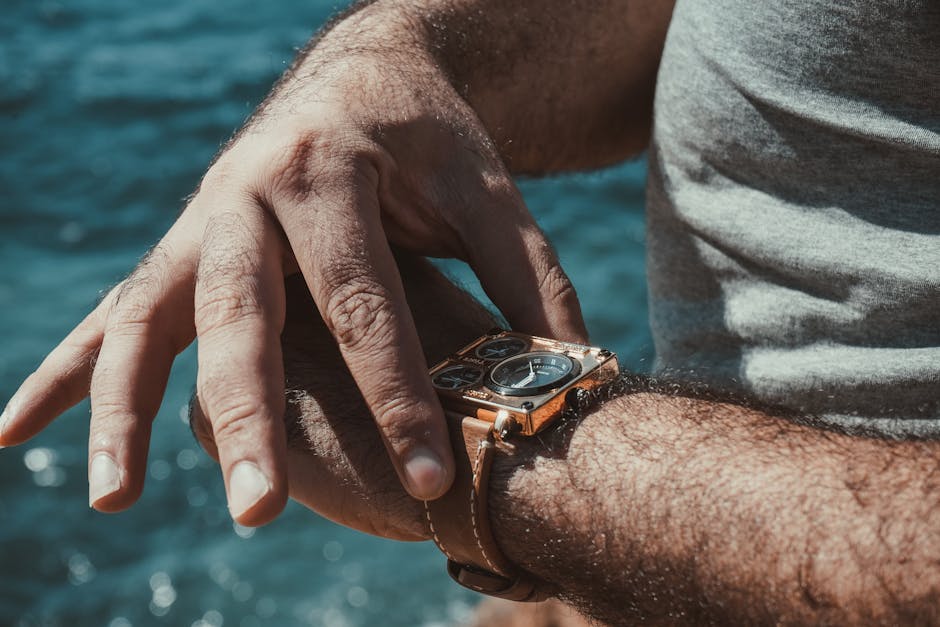
The Orient Bambino Gen 5 at around $130. Done.
It is a Japanese automatic dress watch with a clean sunburst dial, an in-house movement, and a silhouette that works at the office, at dinner, or on a weekend without looking like it is trying too hard. At 40.5mm case diameter and 12.5mm thickness, it wears well on average to larger wrists without sliding around. If you have never owned a real watch and want one that will last ten years without any drama, this is the one to buy.
When You Should NOT Buy a Fashion Brand Watch
If a brand’s marketing budget is visibly larger than its R&D investment, do not buy the watch. That description fits most fashion watches sold between $100 and $300 from brands like MVMT, Daniel Wellington, and Vincero.
None of these brands make their own movements. Some do not design their own cases — they source from the same factories and add a logo. The hard line worth drawing: if a brand cannot or will not tell you who manufactures their movement and where it can be serviced in five years, walk away.
- MVMT: Generic Miyota quartz movement, roughly $8 wholesale cost. Retail price: $130 to $150. The margins are a marketing exercise, not a quality statement.
- Daniel Wellington: Same story. The interchangeable strap system is genuinely useful — but buy a strap, put it on a real watch, and you come out ahead on both quality and cost.
- Invicta Pro Diver: The movement underneath (Miyota 8926) is actually solid. The problem is Invicta’s pricing theater — watches listed at $695 “retail” that sell perpetually for $45. Buy one knowing what it is: a budget dive homage with an honest movement in a marketing-inflated box. At that expectation level, it is fine.
Orient and Seiko both sell watches with honest Japanese movements at the same price points as these fashion brands. There is no category where choosing the fashion brand over Orient or Seiko results in a better watch. The only reason to choose otherwise is the logo.
The Specs Most Men Ignore Before Buying
What water resistance rating do I actually need?
30m means splash-resistant at most. Not the pool. Not the shower. Just incidental contact with rain or washing hands — and even then, aging seals change the math. Most dress watches sit here: the Orient Bambino, Tissot Gentleman, and similar office watches. Fine for what they are. Not fine if you forget and jump in a pool.
100m means swimming is fine. The Citizen Eco-Drive BM8180 and most Seiko 5 Sports variants land here. This is the minimum for any watch you plan to wear consistently through summer or physical activity.
200m is a real dive rating. The Casio G-Shock GA-2100 and Seiko Prospex SRPD51 both qualify. If you swim laps, surf, or spend time near open water, this is where you want to be.
What case size actually fits my wrist?
38 to 40mm suits smaller to medium wrists — under 7 inches circumference. The Orient Bambino at 40.5mm sits at the borderline between traditional and modern sizing. 41 to 44mm is the current mainstream range and works for most men. The Seiko Prospex SRPD51 runs 45mm — large by design, as dive watches tend to be. Over 46mm starts looking more like a fashion statement than a tool unless your wrists are genuinely large. Measure before ordering. A 44mm watch on a 6.5-inch wrist hangs past the wrist bone and looks wrong immediately.
Should I care about power reserve in an automatic?
Only if you rotate between multiple watches. The standard 38 to 42-hour reserve is fine for a single daily watch — wearing it charges it. If you own three watches and rotate, consider a movement with 70-hour reserve, like the H-10 inside the Hamilton Khaki Field Automatic, or pick up a basic watch winder for $25 to $40. Either solves the problem.
How to Tell a Good Watch Deal From a Marketing Trap
These are the checks I run before buying any watch under $500:
- Verify the movement caliber. Google the caliber number independently. If the brand will not publish it, that is the answer.
- Confirm the case material specification. “Stainless steel” should specify 316L or 316 grade. “Steel-colored” or “stainless-style” means nothing except that it is not steel.
- Find the service path. Can a local watchmaker source parts for this movement in five years? Seiko 4R-series and Miyota 82-series: yes, easily. Unbranded Chinese movements: often not economically viable to service.
- Ignore manufactured retail price comparisons. Invicta lists watches at $695 “retail” that sell for $45 every day of the year. This is not a deal. It is a framing device.
- Check the crown feel before any other component. Cheap watches cut corners on the crown and stem — it will feel rough, loose, or plasticky. In photos you will never catch it. In person or in review videos, it is obvious within five seconds.
- Check the lug width. A 20mm lug width gives you the widest aftermarket strap selection at the best prices. Anything unusual — 19mm, 21mm, or proprietary — limits your options and raises strap costs.
- Read the one-star reviews specifically. Filter for “stopped working,” “crown fell off,” or “crystal popped out.” Pattern failures in one-star reviews reveal manufacturing defects the average rating obscures.
The $290 Seiko Prospex SRPD51 passes every item on this list. So does the $130 Orient Bambino Gen 5. The $180 MVMT fails at least three of them.
For daily wear: the Citizen Eco-Drive or Casio G-Shock GA-2100. For dress and office: the Orient Bambino. For anyone who wants one watch that does both reasonably well: the Seiko 5 Sports at around $150. Those three options cover what most men actually need from a watch at a price that makes sense.
Related Posts

Best Loafers for Women 2026: Professional and Casual Footwear Reviews
Which footwear investment provides the most consistent return on cost-per-wear…
Belle Lingerie Buying Guide: Bras, Swimwear and Nightwear
Home/Shopping Guides/Belle Lingerie Online Lingerie Buying Guide Looking for better…

Best Winter Fashion Accessories for Cold Weather Style 2024
The architecture of a winter wardrobe is built from the…