Your closet is full, but getting dressed still feels like a daily puzzle. One pair of trousers works only with one blouse. A jacket looks polished but feels wrong with your casual clothes. The result is more shopping, more clutter, and fewer outfits that feel like you.
The best 30-piece capsule wardrobe is built around outfit combinations, not a fixed list of trendy items. Start with your real week, choose a tight color plan, and spend the most money on pieces that solve several dressing problems. The goal is not to own as little as possible. The goal is to make 30 carefully chosen pieces cover work, errands, dinners, travel, and relaxed days without looking repetitive.
Start With Your Actual Week, Not an Idealized Lifestyle
Many capsule wardrobes fail before anyone buys a single item. The owner copies a polished checklist filled with linen trousers, pointed shoes, and structured blazers, then discovers that most days involve commuting, childcare, casual offices, weather changes, or long walks. A beautiful wardrobe that ignores your schedule is still a bad wardrobe.
Map the seven situations you dress for most
Write down the clothing situations that fill a normal week. You might need four casual outfits, three office outfits, two smart-casual dinners, one event look, and one comfortable travel outfit. Count occasions rather than days because the same outfit can serve more than one setting. A dark trouser can work for the office with a blazer and for dinner with a silk shirt. A knit dress can cover travel, lunch, and a low-key evening.
Use this rough starting split for 30 pieces: 4 tops, 3 knit layers, 3 polished shirts or blouses, 4 bottoms, 2 dresses or jumpsuits, 3 jackets or coats, 3 pairs of shoes, 2 bags, 3 belts or scarves, and 3 seasonal flex pieces. Underwear, sleepwear, gym clothes, jewelry, and true lounge clothing sit outside the count.
Choose a color system that makes outfits repeatable
Pick two base colors, two supporting colors, and one accent. Navy and charcoal create a softer work base than black and pair well with white, blue, camel, and burgundy. Brown and cream create a warmer palette that suits denim and gold-toned accessories. Keep roughly 60 percent of the wardrobe in base colors, 30 percent in supporting colors, and 10 percent in accents.
This ratio matters because a bright green jacket may look exciting alone but become difficult to combine with the other 29 pieces. A navy jacket, cream cardigan, or medium-wash jean can enter many more outfits. For a 30-piece wardrobe, aim for each top to work with at least three bottoms and each layer to work with at least four outfits. If an item has only one natural partner, it has not earned its space.
Use Outfit Math Before You Buy Anything

A capsule wardrobe becomes versatile when its pieces cross categories. The simplest test is to list every item and draw connections between it and the rest of the closet. Do not count an outfit just because the colors technically match. The pieces should also suit the same level of formality, season, and comfort.
Compare the role of each piece
| Wardrobe role | Recommended count | What makes it useful |
|---|---|---|
| Everyday tops | 4 | At least two neutral shades and two easy-care fabrics |
| Polished tops | 3 | Works with trousers, jeans, and one layering piece |
| Bottoms | 4 | Two casual, one tailored, and one flexible seasonal option |
| Knit layers | 3 | Different weights for indoor and outdoor temperature changes |
| Outer layers | 3 | One structured, one casual, and one weather-ready option |
| Shoes | 3 | One walking pair, one polished pair, and one weather-friendly pair |
Set a minimum outfit score
Give every proposed purchase a score from one to three for versatility, comfort, care, and season length. A piece that scores 10 or 11 out of 12 deserves a serious look. A piece that scores six because it wrinkles easily, needs special shoes, and works only in one month should stay in the store.
This test also exposes false bargains. A $25 top that needs a special bra, dry cleaning, and a matching skirt may cost more in time than a $70 top that works with five existing outfits. The strongest capsule pieces do more than look good on a hanger. They reduce the number of decisions you have to make each morning.
Build the Wardrobe in Five Deliberate Passes
Buy in stages. A rushed haul often produces duplicate basics, wrong sizes, and pieces that suit an imagined version of your life. Five passes make the process slower but far more accurate.
Pass one: audit what already works
- Remove anything damaged, uncomfortable, or untouched for a full year.
- Try on the remaining clothes with the shoes and layers you actually wear.
- Photograph five outfits that feel easy and mark the colors, shapes, and fabrics they share.
- Write a gap list using functions such as “light layer for cool offices” instead of vague labels such as “more clothes.”
Pass two: fix fit before filling gaps
- Check shoulder seams, waistband pressure, sleeve length, rise, and hem position.
- Keep a piece only if you can sit, walk, reach, and layer without adjusting it every few minutes.
- Use a tailor for simple changes such as trouser hems, sleeve shortening, and waist adjustments.
Pass three: buy the anchors
Choose the hardest-working pieces first: one reliable bottom, one everyday top, one layer, and one shoe. Test each new item against at least three things already in the closet. If it cannot create three outfits immediately, it is not an anchor.
Pass four: add personality and weather coverage
Only after the core works should you add an accent color, print, special texture, or seasonal piece. Keep weather in mind. A capsule for a cold, wet city needs a warm coat and water-resistant footwear; a capsule for a hot climate needs breathable tops and a washable dress.
Pass five: wait two weeks before closing the gaps
Wear the partial wardrobe for fourteen days. The missing pieces will become obvious. You may discover that you need a second pair of trousers rather than another blouse, or a light cardigan rather than a statement jacket. This waiting period is the easiest way to prevent impulse purchases.
Which Specific Pieces Earn a Place?

What is the best affordable trouser anchor?
For a polished casual wardrobe, the Uniqlo Smart Ankle Pants, usually listed around $49.90, are the strongest budget anchor. Their stretch fabric, ankle-length cut, and easy-care finish make them useful for offices, travel, and dinners. Choose black, navy, or dark gray. They lose value if the ankle hem clashes with your proportions, so check the length with flats and sneakers before keeping them.
Which jeans add the most range?
The Everlane Way-High Jean, commonly priced near $98, is a good choice for someone who wants a defined waist and a straight-leg shape. A medium or dark wash can move from casual outfits to relaxed work settings with a shirt and jacket. Skip it if the high rise feels restrictive when seated. A comfortable mid-rise straight jean will create more outfits than a fashionable cut you avoid wearing.
What knit layer gives the best cost-to-use balance?
The COS Merino Wool Crew-Neck Sweater, often around $125, earns its place because merino adds warmth without the bulk of a thick cotton knit. A navy, gray, or oatmeal version works over shirts and under coats. For a lower-cost alternative, the Quince Mongolian Cashmere Crewneck, often near $50, offers a softer hand but needs gentler washing and more care. Choose COS for frequent wear and structure; choose Quince for softness and a lighter seasonal layer.
Which shoe should come first?
For a capsule that includes commuting and regular walking, the Vagabond Shoemakers Marja Loafer, usually about $130, is the clearest first polished shoe. Its low profile works with trousers, jeans, and dresses, while the leather upper looks sharper than a sneaker. Add a plain leather sneaker and a weather-ready ankle boot only after the loafer proves useful. Do not buy three dress shoes before solving the shoes you wear most on ordinary days.
Make the Final 30 Pieces Work Harder
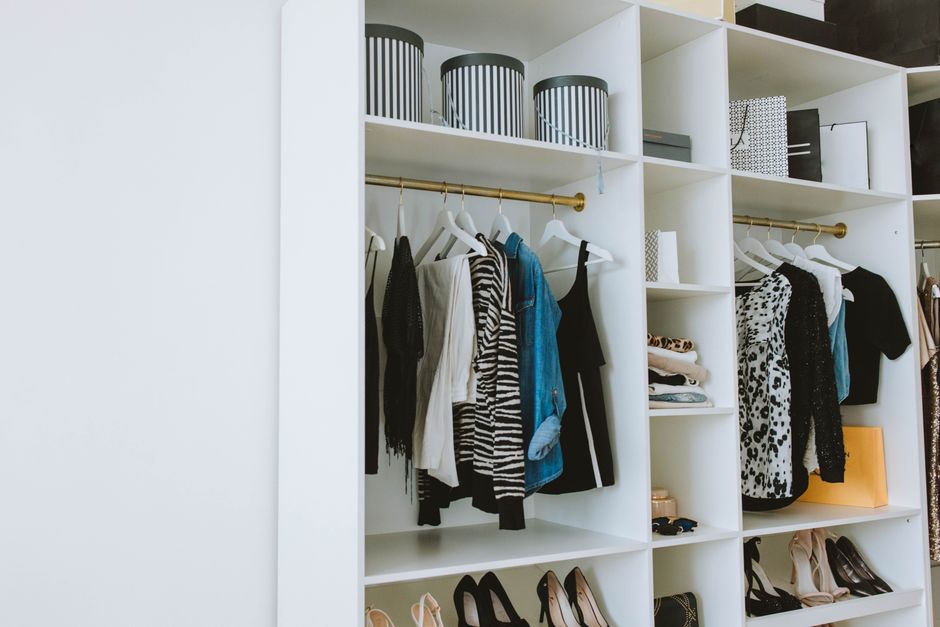
My strongest recommendation is to leave two spaces flexible instead of forcing a perfect list. Those spaces can hold a warm-weather dress, a rain layer, a festive top, or a replacement for a worn basic. A rigid capsule often fails because weather and real life refuse to follow a spreadsheet.
Use a replacement rule
When one piece leaves, replace it with something that serves the same role or improves the whole system. Do not replace a worn black trouser with a fourth pair of jeans simply because denim feels easier to shop for. Track cost per wear instead: a $120 jacket worn 60 times costs $2 per wear, while a $35 statement top worn twice costs $17.50 per wear.
Know when a 30-piece capsule is the wrong format
This approach may not suit someone who works in uniforms, needs specialist clothing for several climates, performs outdoors, or uses fashion as a creative hobby. A 40- or 50-piece seasonal wardrobe may create less stress. The number matters less than the rule that every item has a job, fits your body now, and connects to several outfits.
For most fashion readers, the best 30-piece capsule is not a beige uniform. It is a small, flexible wardrobe with enough structure to make mornings easier and enough personality to keep dressing interesting. As clothing gets more expensive and closets get more crowded, the smartest style shift will be learning how many lives one well-chosen piece can support.
Related Posts

Reformation Vs Pact Sustainable Dresses: Sustainable Dresses: Reformation vs. Pact by Budget
A Reformation dress priced around $278 can cost more than…

Amazon Fashion Finds Under $40 That Look More Expensive
Have you ever built an outfit that feels almost right,…
Inclusive Sizing in Fashion Makes Clothes Work Better
A size 10 at one fashion brand can fit like…