The smallest useful work wardrobe is built around outfits
My clear verdict: twenty well-chosen work pieces beat a crowded closet. The change did not come from owning better-looking clothes. It came from removing combinations that looked fine on a hanger but failed in real life. Every item had to work with at least three others, suit my office dress code, and survive a full day of sitting, walking, commuting, and temperature changes.
The underlying problem is not a lack of clothes. It is too many low-confidence choices. A shirt that needs special underwear, trousers that crease before lunch, or shoes that hurt after ten minutes all create small delays. Those delays add up before the workday starts.
What earned a place
I kept a restrained color palette: black, navy, ivory, gray, pale blue, and one muted print. That made color matching almost automatic. I also chose three outfit jobs: polished desk days, relaxed office days, and meetings that needed extra structure. The wardrobe did not need to cover every possible mood. It needed to cover the week reliably.
Why twenty items was enough
Four tops, three bottoms, two dresses, three layers, four pairs of shoes, and four accessories create far more than twenty outfits. The number matters because it creates a boundary. Once the core pieces were chosen, I stopped buying substitutes for problems that better laundry habits or minor tailoring could solve.
How to choose workwear that earns closet space
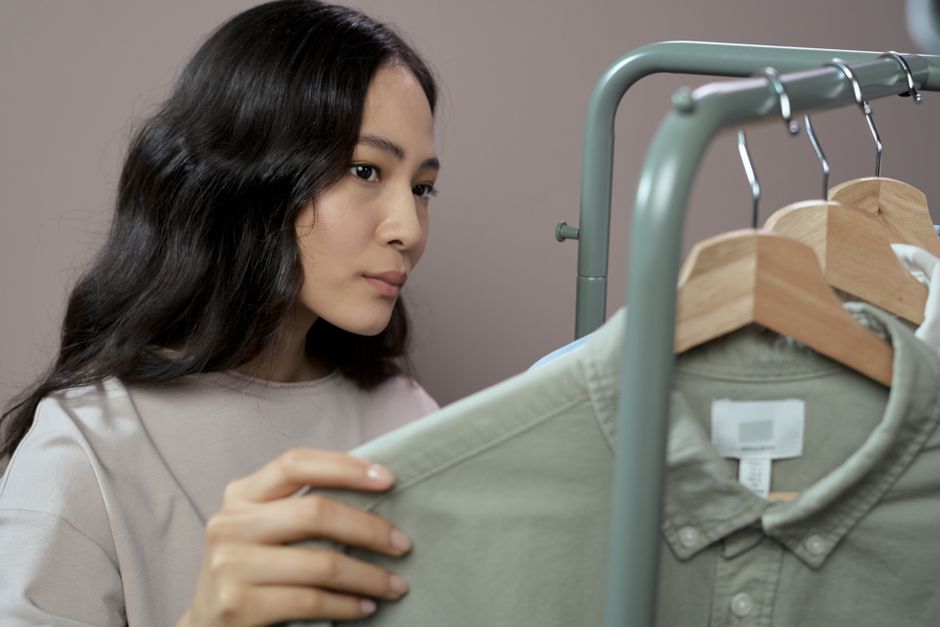
Use this test before buying anything. It is faster than trying to imagine an entire new personal style.
Run the five-question test
- Can you name three outfits with clothes you already own?
- Can you sit, reach, walk, and raise your arms without adjusting the garment?
- Will the fabric still look presentable after six hours of wear?
- Does the color work with your existing shoes and outer layer?
- Can you wash or maintain it without creating a weekly chore?
Check the hidden cost of a cheap item
A $25 blouse that needs dry cleaning, special underwear, and frequent ironing is not cheaper in practice. Look at cost per expected wear instead. A $100 pair of trousers worn twice a week for a year costs less per wear than a $45 pair that twists at the knee and stays in the drawer. This is not financial advice; it is simple closet math. The winning item is the one that removes friction each time you wear it.
Fit also matters more than a label. A sleeve shortened by one inch or a waistband adjusted by a tailor can make a mid-priced garment look sharper than an expensive piece worn in the wrong proportions.
My 20-item work wardrobe at a glance
The table shows the exact roles I assigned to each piece. Prices are typical list-price examples and can change with sales or seasonal stock, so treat them as planning figures rather than promises.
| Item | Quantity | Example choice and price | Primary use |
|---|---|---|---|
| White poplin shirt | 1 | Uniqlo Premium Linen Shirt, about $39.90 | Blazer days |
| Pale blue shirt | 1 | Everlane The Relaxed Silk Shirt, about $148 | Soft contrast |
| Black knit shell | 1 | Quince Washable Silk Camisole, about $49.90 | Under jackets |
| Ivory tee | 1 | COS Clean Cut T-Shirt, about $35 | Relaxed offices |
| Black ankle trousers | 1 | Uniqlo Smart Ankle Pants, about $49.90 | Daily anchor |
| Navy trousers | 1 | Everlane The Dream Pant, about $98 | Travel and long days |
| Gray straight trousers | 1 | J.Crew Cameron Pant, about $148 | Client meetings |
| Midi skirt | 1 | Quince Washable Silk Skirt, about $79.90 | Feminine alternative |
| Black work dress | 1 | M.M.LaFleur Etsuko Dress, about $295 | Fast polished outfit |
| Printed midi dress | 1 | Boden printed midi dress, about $180 | Color without fuss |
| Navy blazer | 1 | Banana Republic Factory blazer, about $120 | Structure |
| Gray cardigan | 1 | J.Crew Sophie Cardigan, about $128 | Cold offices |
| Light trench | 1 | Uniqlo BlockTech Trench Coat, about $130 | Commute layer |
| Black loafers | 1 | Sam Edelman Loraine Loafer, about $150 | Most workdays |
| Nude flats | 1 | Everlane Day Glove, about $145 | Walking days |
| Ankle boots | 1 | Blundstone 585, about $220 | Rain and cold |
| White sneakers | 1 | Veja Campo, about $175 | Casual offices |
| Black leather belt | 1 | Madewell Essential Belt, about $59.50 | Waist definition |
| Structured tote | 1 | Cuyana System Tote, about $298 | Laptop and lunch |
| Silk scarf | 1 | Madewell Silk Bandana, about $55 | Small color accent |
The best value is not the cheapest item. It is the item that fills a gap no other piece can cover. The black loafers and navy trousers did more work than the statement dress because they formed the base of several dependable outfits.
The morning system mattered more than the shopping list
The wardrobe only saved time after I gave it a simple operating system. Before that, I still stood in front of the closet and made the same decisions in a different order.
Prepare five outfits at once
On Sunday evening, I placed five complete outfits on a chair: top, bottom or dress, layer, shoes, and accessories. I checked the weather, commute, and meeting schedule first. A day with a long train ride received trousers and walking shoes. A presentation day received the blazer and the most comfortable polished outfit. This took about twelve minutes and removed the morning search.
Use a three-day rotation
I avoided wearing the same category on consecutive days. A skirt on Monday could be followed by trousers on Tuesday and a dress on Wednesday. The rotation reduced laundry pressure and made the small wardrobe feel less repetitive. I also kept one emergency outfit ready: black trousers, the ivory tee, the blazer, and loafers. That combination handled surprise meetings, coffee spills, and mornings when the planned outfit suddenly felt wrong.
The key rule was to make the decision the night before, when there was no rush. Morning dressing became a short sequence: get dressed, check the mirror, add the planned layer, leave. I did not need more inspiration. I needed fewer open decisions.
What failed, and the mistakes I would avoid
A capsule wardrobe can still become a collection of expensive disappointments. The first version taught me that a neat color palette does not fix bad fabric, poor fit, or the wrong dress code.
Did the cheapest pieces work?
Not always. The Uniqlo Smart Ankle Pants were useful because they resisted wrinkles and had a clean ankle length, but the fabric showed lint against black. I kept them for travel and quick errands rather than treating them as the only black trouser option. The M.M.LaFleur Etsuko Dress looked polished in seconds, yet its higher price only made sense because I wore it for presentations, conferences, and formal dinners. If you rarely need that level of polish, a simpler knit dress is the better buy.
Which mistakes cost the most?
- Buying a blazer before checking its sleeve length and shoulder fit.
- Choosing delicate shirts that require more care than your schedule allows.
- Adding a new color that works with only one pair of shoes.
- Buying office shoes based on appearance before testing a full walking day.
- Keeping “almost right” trousers instead of paying for a basic hem or waist adjustment.
My strongest warning is against buying five versions of the same safe item. One excellent white shirt is useful; five nearly identical white shirts create laundry and storage problems without adding outfit options.
Which pieces should change for your office dress code?
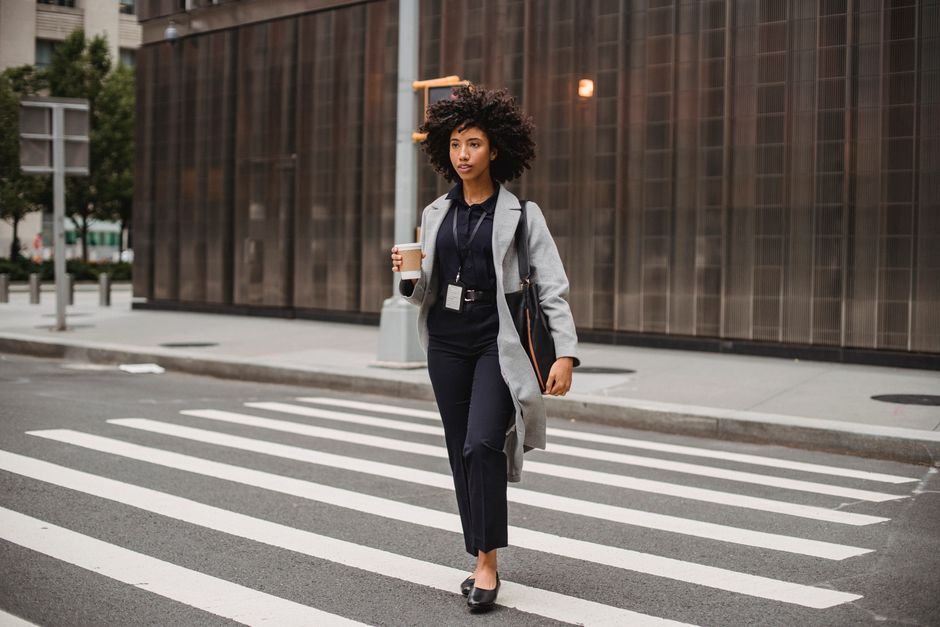
For a formal office, choose the structured blazer and black dress first. For a business-casual office, the ivory tee, cardigan, and clean sneakers will earn more wear than a second formal suit. The right tradeoff is clear once you match the wardrobe to the actual rules rather than an imagined promotion or lifestyle.
Formal offices need sharper anchors
Use the J.Crew Cameron Pant at about $148 or a similar straight trouser with a pressed crease. Pair it with the Everlane silk shirt and a blazer. The Sam Edelman Loraine Loafer, around $150, gives a polished shape without the discomfort of a narrow pump. My formal-office winner is the black dress because it cuts the number of pieces you must coordinate on demanding days.
Casual offices need better boundaries
In a relaxed workplace, the Veja Campo at about $175 can replace a fourth dress shoe, but only if the pair stays clean and your office permits sneakers. The Blundstone 585, around $220, makes more sense for wet commutes and outdoor walking than a delicate ankle boot. Do not buy the sneaker simply because it is fashionable. Buy it when it solves a real commute problem and still looks intentional with trousers.
The bottom line: formal workers should spend their budget on fit and structure; casual workers should spend it on comfort, washable fabrics, and shoes that survive the commute.
Who should copy this wardrobe, and who should not?
Copy the system if your workweek has a stable dress code and repeated routines. It works best for people who want fewer decisions, predictable laundry, and outfits that can move from desk to dinner.
It is a strong fit for
Office commuters, hybrid workers with regular video meetings, and anyone who keeps buying clothes but still reaches for the same reliable pieces will benefit most. The twenty-item limit creates a useful pause before every new purchase.
It is not the right template for
People whose work requires uniforms, protective clothing, frequent outdoor labor, or dramatic styling every day should build around those needs instead. A small wardrobe should support your life, not become another rule to maintain.
The lasting lesson is simple: workwear is moving toward smaller, smarter wardrobes with better fit and more flexible pieces. The next useful purchase is rarely another trend. It is the item that makes three existing outfits easier to wear.
Related Posts

7 Spring Outfit Ideas for Petites That Flatter in 2026
Petite spring dressing is less about hiding your height and…
Second Hand Clothing Pretoria: Second-Hand Clothing Pretoria: A Smarter Thrift Route
Looking for second-hand clothing in Pretoria without wasting a Saturday…