Only a small part of a garment’s real story appears on its price tag. A $25 shirt can involve cotton farming, dyeing, sewing, shipping, returns, and eventual disposal across several countries. That hidden chain made my goal of building a fully ethical wardrobe much harder than expected.
I started with a simple plan: stop buying from companies that shared no useful information, replace worn-out basics with better-made pieces, and keep each item for as long as possible. The plan worked, but not in the spotless way I imagined. Some ethical claims were too vague. Some responsible materials had their own trade-offs. A few expensive garments failed faster than ordinary clothes.
The most useful lesson was this: an ethical wardrobe is not a perfect closet. It is a buying system that gives labor, materials, animal welfare, durability, and waste a place in every decision.
Why building an ethical wardrobe is harder than the label suggests
Ethical fashion covers more than fabric
My first mistake was treating “sustainable” as a fabric category. I thought organic cotton automatically made a shirt ethical and recycled polyester solved the problem for activewear. Those choices can help, but they answer only one part of the question.
A stronger review looks at five connected areas: who made the garment, what the fiber requires, how long the piece should last, how the brand reports its claims, and what happens when the item leaves your closet. A factory may use recycled fibers while paying workers poorly. A brand may publish a supplier list but provide no information about wages. A natural fiber may biodegrade more easily but still create heavy water, land, or pesticide demands.
The first principle is useful clothing, not virtuous shopping
Clothing exists to protect the body, support movement, communicate identity, and serve real situations. That purpose gives durability a higher place than trend value. If an “ethical” jacket sits unworn because it feels too delicate, too formal, or impossible to wash, its good material does not rescue the purchase.
I began asking a blunt question before every purchase: “What problem will this solve that my current wardrobe cannot?” If I could not name the occasion, weather condition, or missing function, I did not buy the item. That single question cut more waste than switching from one fiber to another.
Transparency is evidence, not a guarantee
Certifications and supplier information helped me separate useful claims from soft marketing. GOTS can address organic fibers and parts of processing. Fair Trade Certified sewn can provide information about worker benefits in participating factories. Neither label proves that every part of a complex global supply chain is perfect.
The honest position is to treat a label as one piece of evidence. Look for the exact claim, the covered stage of production, and the date of the information. “Eco-friendly materials” tells me almost nothing. “95% organic cotton, dyed and sewn in a named facility” gives me something I can check.
How I changed my buying habits without replacing everything
My five-step wardrobe reset
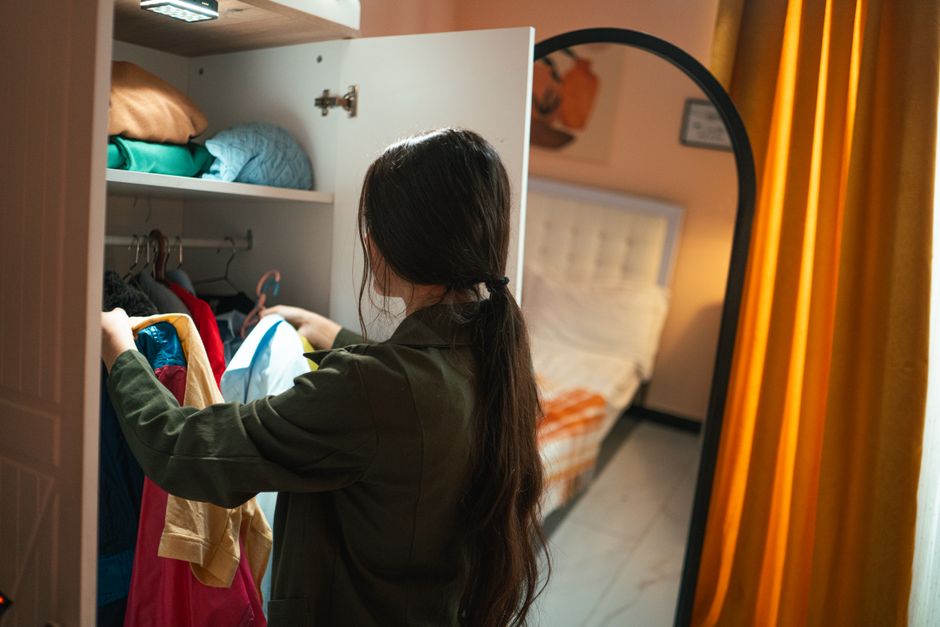
- Count the clothes I already owned. I grouped garments by actual use: work, weekends, exercise, formal events, cold weather, and home wear. The gaps became clearer once I stopped viewing the closet as one large pile.
- Track wear for thirty days. I marked each item after wearing it. The most useful clothes appeared quickly, along with pieces I kept only because they had once been expensive.
- Repair before replacing. Loose buttons, split seams, missing belt loops, and small holes often needed less than fifteen minutes. For larger jobs, I compared repair costs with replacement costs instead of assuming a new item was easier.
- Create a waiting period. I waited seven days for ordinary purchases and thirty days for expensive ones. If I still had a clear use for the item, I researched the maker and material. If the desire faded, the decision had already been made.
- Buy for outfit compatibility. A new piece had to work with at least three outfits using clothes I already owned. This rule stopped many attractive but isolated purchases.
The mistakes that nearly broke the system
I made several predictable errors. I donated clothes too quickly, then bought replacements for items I could have altered. I assumed a higher price meant higher wages or better construction. I also bought “ethical” basics in duplicate because a brand’s story made me feel safe. A responsible wardrobe still becomes wasteful when shopping turns into collecting.
My strongest correction was to keep a small replacement list. It included only items that had failed, no longer fit my life, or blocked several outfits. That list turned emotional browsing into a short, practical job.
Which ethical clothing claims deserve the most trust?
The clearest way to compare clothing is to separate the claim from the decision. A strong material does not automatically make a weak garment a good purchase. I used the table below as a quick audit for familiar examples, then checked the current product page and care instructions before buying.
| Example | Specific claim or material | What the claim helps answer | My verdict |
|---|---|---|---|
| Patagonia Better Sweater Jacket | 100% recycled polyester fleece; Fair Trade Certified sewn on qualifying versions | Material source and some factory-level worker benefits | Best for a durable casual layer if fleece washing and long-term pilling are acceptable |
| Girlfriend Collective Compressive High-Rise Legging | 79% recycled polyester and 21% elastane in the commonly listed fabric blend | Use of recycled synthetic fiber in a high-stretch garment | Best for frequent workouts, but wash gently and keep it away from unnecessary replacement cycles |
| Pact Classic Crew Tee | Organic cotton positioning and GOTS-related supply-chain claims on selected basics | Fiber farming and processing standards | Best for a simple cotton layer when the fit works and the shirt will receive regular wear |
Why recycled polyester is not a free pass
Recycled polyester can reduce demand for new petroleum-based fiber and give plastic waste another use. It also remains plastic. Washing synthetic clothes can release microfibers, and the fabric will not compost at the end of its life. I still chose recycled polyester for hard-wearing fleece and activewear because those garments need stretch, moisture control, and abrasion resistance. I did not treat it as the best answer for every shirt.
Why organic cotton still needs a wear plan
Organic cotton can reduce reliance on many synthetic pesticides, but growing and processing cotton still uses land, water, energy, and labor. A GOTS-related claim tells me more than the word “natural,” yet the best organic cotton purchase is the one I will wear repeatedly and wash carefully.
When not to buy the responsible-looking option
Do not buy a supposedly ethical item if the cut makes you uncomfortable, the care instructions are unrealistic, or the garment duplicates three pieces you already own. A $150 shirt worn twice creates a worse personal result than a $40 shirt worn for years. The right choice is often repair, tailoring, borrowing, or buying secondhand.
What should you ask before calling a wardrobe ethical?
Does a higher price prove better labor conditions?
No. Price can reflect better fabric, small production runs, local wages, design costs, or simply brand positioning. I looked for supplier disclosure, factory information, wage policies, and concrete reporting rather than using price as a moral shortcut. A cheap garment with no information deserves caution, but an expensive garment with vague claims deserves it too.
Is secondhand always the most ethical choice?
Secondhand usually extends the life of an existing garment and avoids a new production order, so it became my first choice for coats, occasionwear, denim, and unusual statement pieces. It is not automatically perfect. Buying piles of cheap secondhand clothes still feeds overconsumption, and shipping a low-value item across a country may reduce the benefit. I set the same use test for resale items as I did for new ones.
Should animal fibers leave the wardrobe?
I chose a middle position rather than a universal ban. Wool can provide warmth, odor resistance, and long wear, which may reduce the number of garments needed. Leather shoes can sometimes last for many years and accept resoling. The ethical questions then shift to traceability, animal welfare, tanning, maintenance, and lifespan. I avoided novelty leather accessories and bought fewer, better-made shoes. For people who reject animal fibers, recycled synthetics and plant-based alternatives offer options, but each has its own durability and disposal questions.
My verdict: durability is the strongest ethical filter
My fully ethical wardrobe never became fully pure. Supply chains are too complex, and public claims rarely cover every step. It did become more honest. I buy fewer trend pieces, repair more often, check evidence before trusting labels, and choose garments that fit my real schedule.
For most people, the best first move is not a dramatic closet replacement. Keep the clothes that work, stop filling gaps with impulse purchases, and replace failed items one at a time. My final ranking looks like this:
| Wardrobe goal | Best first move | Reason |
|---|---|---|
| Lower overall impact | Wear existing clothes longer | Extending use avoids the material and labor cost of a new item |
| Improve labor transparency | Choose brands with named factories and clear policies | Specific evidence is stronger than broad green language |
| Reduce synthetic waste | Buy natural or recycled fibers only when they suit the job | Material choice should match durability, care, and expected wear |
| Stop wardrobe overbuying | Use a replacement list and a waiting period | Simple rules interrupt emotional shopping |
The most ethical item is usually the one that solves a real need, survives repeated wear, and stays in use instead of becoming another promise at the back of the closet.
Related Posts
Second Hand Clothing Pretoria: Second-Hand Clothing Pretoria: A Smarter Thrift Route
Looking for second-hand clothing in Pretoria without wasting a Saturday…

How to Break In New Boots Without Blisters: 7 Steps
New boots should not hurt enough to leave raw skin.…

Gym Outfit Loose Women: Loose Gym Outfits for Women: A Fit and Fabric Guide
You want a gym outfit that gives you room to…